Tour Highlights
- Visit Kathmandu City’s UNESCO World Heritage Sites
- Explore Pokhara city, David’s Fall, Bindabasini Temple, Seti Gorge, Mahendra Cave, and World Peace Pagoda.
- Boat in Phewa Lake.
- Magnificent Sunrise from Sarangkot.

( 0 Customer Review )
US $1200/Person
US$ 1200
6 Days
Pokhara
Spring and Autumn
Easy
1400 m
Kathmandu Valley also known as Nepal Valley or Nepa Valley consists of Kathmandu Bhaktapur and Lalitpur districts. The Kathmandu Valley has a rich history dating back to the ancient Kirat Kingdom, around the 7th century BCE. It served as the capital of the Newar confederacy, which played a significant role in the development of art, architecture, and culture in the region. Kathmandu Valley's rich cultural heritage, historical monuments, and unique architecture have made it a major tourist destination in Nepal. The valley's inclusion in the UNESCO World Heritage List in 1979 has further boosted its popularity among tourists from around the globe.
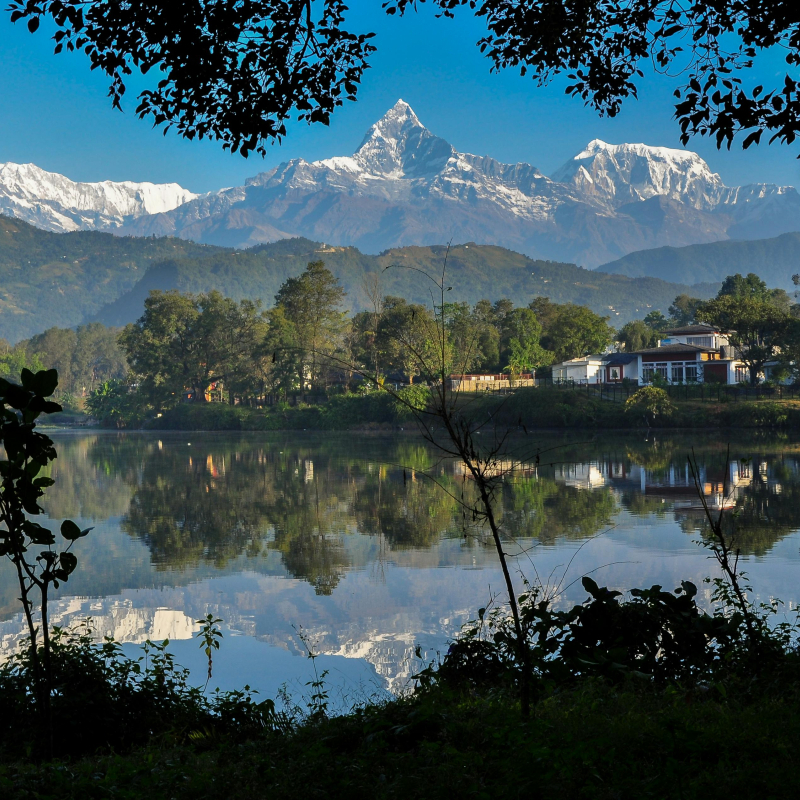
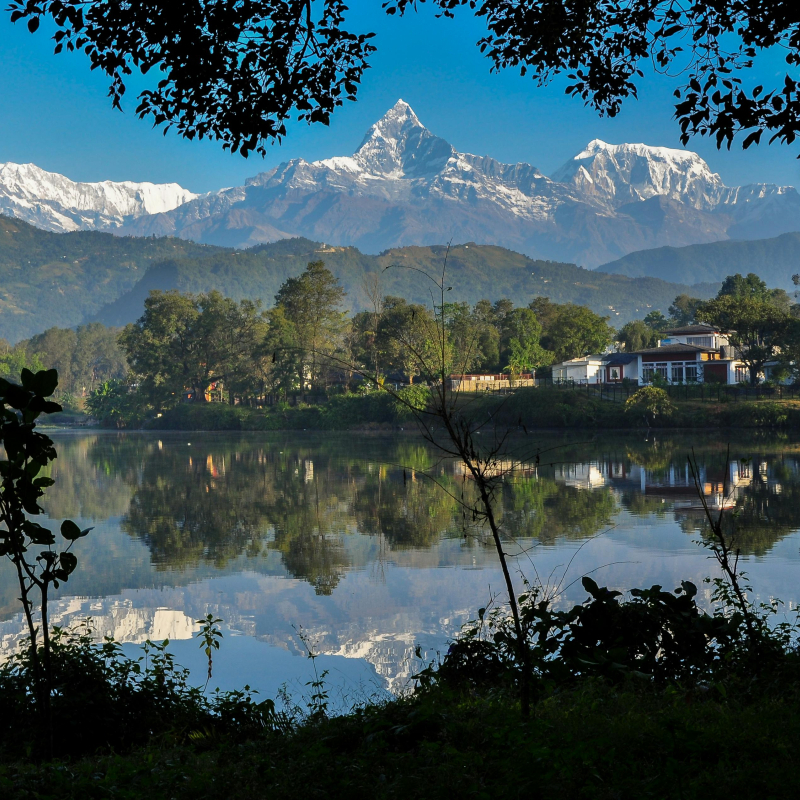
The city of Pokhara, located in the Kaski district in western Nepal, derives its name from the Nepali word "Pokhari," which means "lake." Pokhara's breathtaking natural scenery, including the Phewa Lake, Seti River Gorge, and the panoramic views of the Annapurna mountain range, have made it a popular tourist destination. The city's laid-back atmosphere, coupled with its adventure sports opportunities, has attracted visitors from around the world.
Upon arrival in Kathmandu, you will be warmly welcomed by our representative who will assist with your transfer to the hotel. The remainder of the day's activities will be tailored to your arrival time. If you reach Kathmandu by midday or late afternoon, optional activities can be arranged to enhance your experience and make the most of your time in the city.
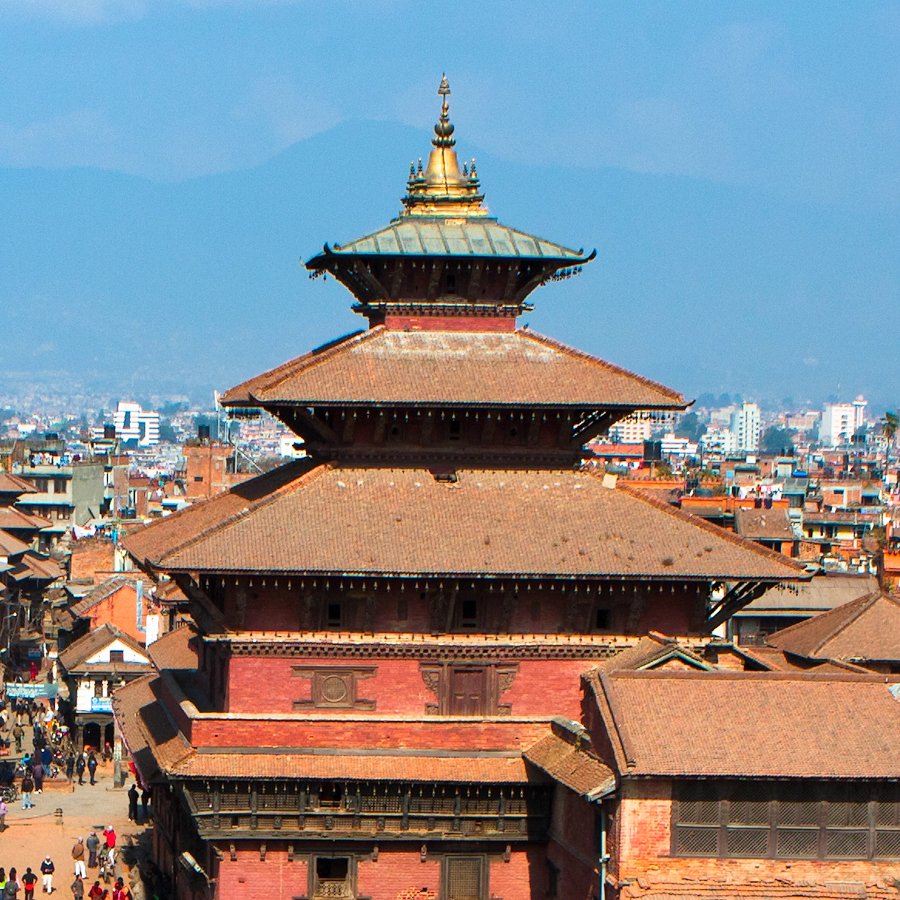
The whole day is dedicated to the tour of the UNESCO world Heritage sites of Kathmandu. After breakfast, our day begins with a visit to Kathmandu Durbar Square, a site known for its cultural and architectural significance as the former royal palace of the Malla kings.
We then make our way to the Swayambhunath Stupa, also known as the Monkey Temple, is one of the oldest and most important sacred Buddhist site located on a hill in Kathmandu. It was listed as a UNESCO World Heritage Site in 1979. The stupa's name, Swayambhunath, means "self-existent one" in Sanskrit, indicating its ancient origins.
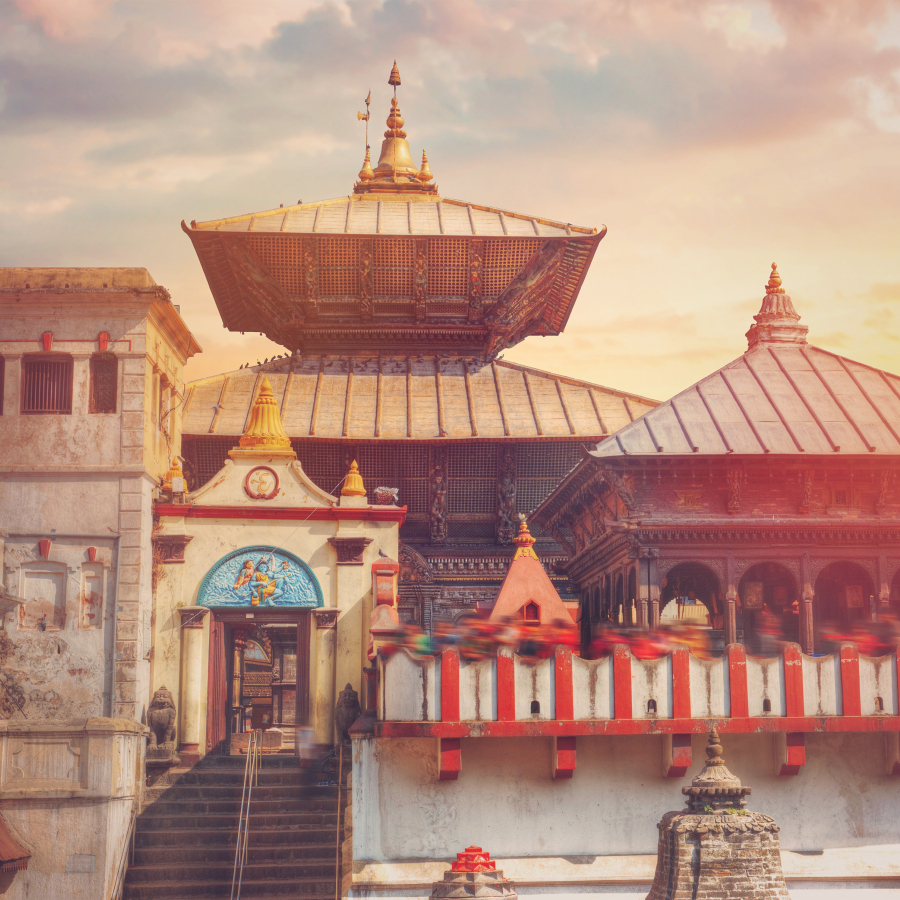
Following lunch, we proceed to Pashupatinath Temple, another significant religious site in Kathmandu, designated a UNESCO World Heritage Site in 1979. It is located on the banks of the Bagmati River and is dedicated to Lord Shiva, one of the principal deities in Hinduism.It is believed that a visit to Pashupatinath and offering prayers here can cleanse one's sins and lead to spiritual liberation.
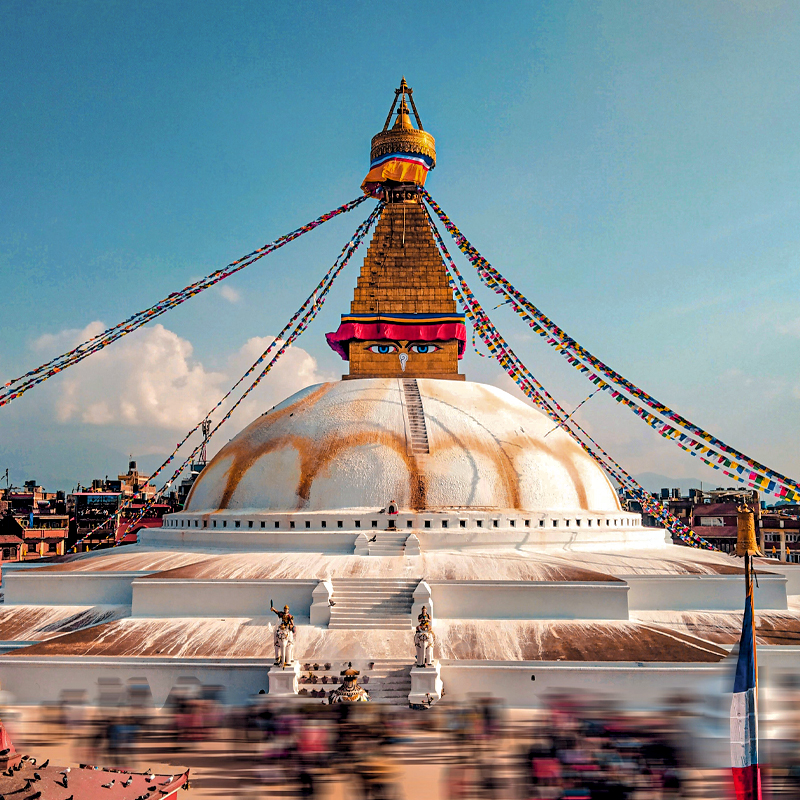
Our day of sightseeing concludes at the Boudhanath Stupa, which is believed to have been built in the 5th century, making it one of the oldest and holiest Buddhist sites in Kathmandu Valley. It is a UNESCO World Heritage Site and a prominent symbol of Buddhism in Nepal. The stupa is a massive structure with a dome-shaped base and a towering spire, adorned with the watchful eyes of the Buddha painted on all four sides. These eyes, known as the "Eyes of Buddha" or "Wisdom Eyes," symbolize the all-seeing and compassionate nature of Buddha.
This enriching tour of Kathmandu is sure to leave us with lasting impressions of its spiritual significance and timeless beauty.
Start your day in Kathmandu with breakfast at your hotel, preparing for an exciting exploration ahead. Transfer to the airport to board a flight to Pokhara, the city of lakes. We begin the tour by visiting David's Fall, where you'll witness the force of nature as water cascades into a deep rock gorge in the heart of the city. Next, explore the Gupteshwor Mahadev Cave, a sacred Hindu pilgrimage site filled with intricate carvings and shrines dedicated to Lord Shiva.
Our journey continues to the World Peace Pagoda, situated atop a hill, offering breathtaking views of the Annapurna Range and Phewa Lake. Take in the stunning vistas before enjoying a serene boat ride across Phewa Lake to get across to the Lakeside. After returning to the lakeside, take time to explore vibrant local markets, immerse yourself in the bustling atmosphere, or indulge in authentic Nepali cuisine at a lakeside restaurant. After a short rest, we make our way to the serene hill station of Sarangkot.
As the day comes to an end, retire to your accommodation in Sarangkot, carrying memories of a day immersed in the stunning landscapes and cultural heritage of this enchanting city. From the raw power of nature at David's Fall to the serene spirituality of the World Peace Pagoda and Gupteshwor Mahadev, this day promises an unforgettable experience.
A start of a tough day for night owls. We rise early to witness the glorious sunrise from Sarangkot. A scene sure to drop your jaws, something you shouldn’t miss out on. After a hearty breakfast, we make our way down to Bindabasini Temple, it is the oldest temple in Pokhara and is devoted to the goddess Bindhyabasini. From there on our drive continues to Seti Gorge, an impressive natural wonder where the Seti River has carved a deep chasm into the bedrock, creating a milky-white river that flows underneath Pokhara. Just beside Seti gorge there lies Gurkha Museum which provides a fascinating insight into the legendary Gurkha soldiers of Nepal. After visiting the museum, we continue our adventure by exploring two of Pokhara’s most famous natural caves. First, we visit Mahendra Cave, a large limestone cave named after King Mahendra. We then move on to the nearby Bat Cave, aptly named due to its population of horseshoe bats. This darker and more adventurous cave is a thrill for nature enthusiasts, with its tight squeezes and the possibility of encountering bats overhead. After our sightseeing we'll head back to the hotel for some relaxation, utilizing the hotel’s amenities.
Hilltop of Rupakot offers breathtaking views of Begnas, Rupa, and Phewa Lakes, with the Annapurna Himalaya range as their backdrop. Rupakot is nothing short of a haven for outdoor enthusiasts with a variety of short and long hiking routes. You can hike to the lakes, or hike to Rupakot view tower from the resort for a panoramic view during sunrise. The lush forests surrounding the resort, provides a perfect opportunity for bird watching as well. From Rupakot our journey back to Kathmandu begins. Our scenic and somewhat bumpy drive from Pokhara to Kathmandu commences after a filling breakfast at the hotel. En route, we will stop at the famous Manakamana Temple, where we can enjoy a thrilling cable car ride and explore the temple grounds. Upon arrival in Kathmandu, check into your hotel and relax for the evening or you can spend your final evening shopping for souvenirs or exploring the city at your leisure.
The grand finale of our Kathmandu & Pokhara Tour has arrived! Our airport representative will accompany you to the International Airport, ensuring a smooth departure for your journey back home.
As we bid you farewell, we hold the hope that your wanderlust brings you back to Nepal once more. Safe travels!
“Kathmandu Pokhara Tour” is suitable for individuals of all backgrounds; no prior experience is necessary.
Accommodations for the duration of the tour will be provided at a comfortable 3-star property in Kathmandu and Pokhara. You can upgrade the accommodation to a 4-star or to a 5-star property during the trip for an additional charge.
Pokhara enjoys a subtropical climate characterized by distinct seasons. Summers (March to June) are hot and humid, with temperatures soaring above 32°C. Monsoon season (June to September) brings heavy rainfall and lush greenery. Winters (November to February) are mild and dry, with temperatures ranging from 9°C to 22°C. Spring and autumn offer pleasant weather, making them perfect for jungle safaris and outdoor adventures.
Do You Have Any Question ? Contact Now With an Expert
+ 9779801333087
You only need to bring comfortable clothes for this tour; there's no requirement for special equipment. However, for your convenience, here's a general idea of personal items you may want to consider bringing. These are optional and depend on your preferences and the time of year you're traveling.
Note - Winter clothing is only required in the months of November, December, January and February.



We use cookies to remember your travel preferences and improve your experience. By continuing, you agree to our use of cookies.
Cookie Policy