Physical Fitness
-The Samtengang Winter Trek is a light to moderate trek suitable for travelers with average fitness.
-Daily trekking ranges from 2–5 hours, depending on village visits and optional stops.
-Prior experience in trekking is not required, but basic stamina, leg strength, and flexibility are recommended.
-Consult a healthcare professional if you have pre-existing health conditions.
Altitude Considerations
-Maximum trekking altitude: ~2,350 meters (7,710 ft).
-Risk of altitude sickness is minimal; mild symptoms like headache or fatigue may occur.
-Follow the guide’s pace and take breaks as needed.
Accommodations
-Comfortable hotels and lodges in Paro, Thimphu, Khuruthang, and Wangdue.
-Twin-sharing or double rooms with breakfast provided.
-Hot showers and electricity available in most accommodations.
Connectivity
-Mobile and internet coverage is available in major towns but limited along trekking routes.
-Ideal for disconnecting and immersing yourself in Bhutan’s winter landscapes.
Environment Considerations
-Respect local customs, sacred sites, and village life.
-Follow “Leave No Trace” principles; carry reusable water bottles and minimize single-use plastics.
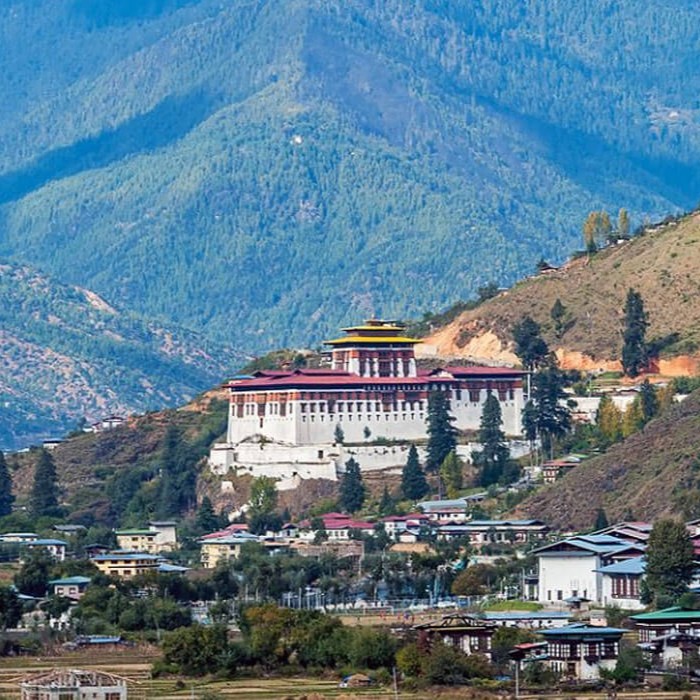
-Avoid disturbing wildlife and maintain decorum at monasteries and Dzongs.
Weather Conditions
-Winter season is the best time to undertake this trek, particularly from March–April or September–October.
-Daytime temperatures: 10–20°C (50–68°F); Nighttime: 0–10°C (32–50°F).
-Weather can change quickly in the mountains; pack warm layers, waterproof gear, and gloves.
Travel Permits and Documents
-Valid Bhutanese visa required (arranged by Mountain Tiger Nepal).
-Passport and travel insurance covering trekking and cultural activities mandatory.
Trek Distance, Duration, and Elevation
-Trek Duration: 2–3 days of trekking within the 5–7 day tour.
-Total Trip Length: 5–7 days including arrival, departure, and sightseeing.
-Maximum Elevation: ~2,350 meters (7,710 ft).
Daily Trek Pattern
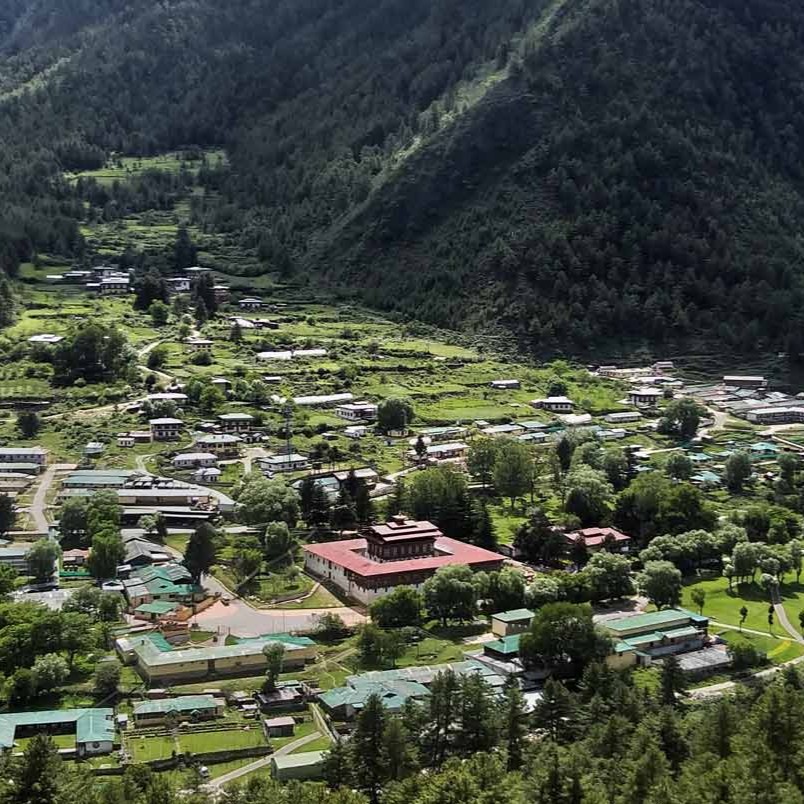
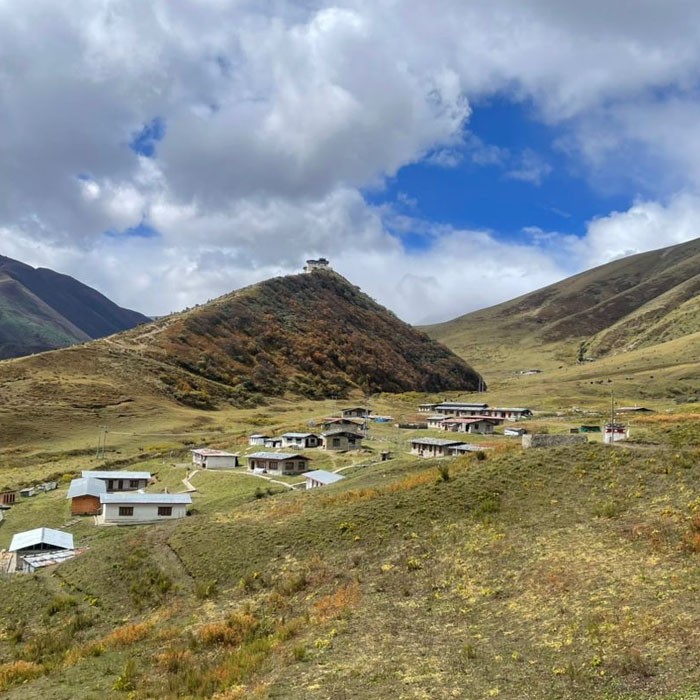
-Trekking through forests, village trails, and river valleys with cultural stops.
-Time allocated for photography, sightseeing, and interaction with local communities.
-Visit monasteries, temples, Dzongs, and historical sites along the route.