
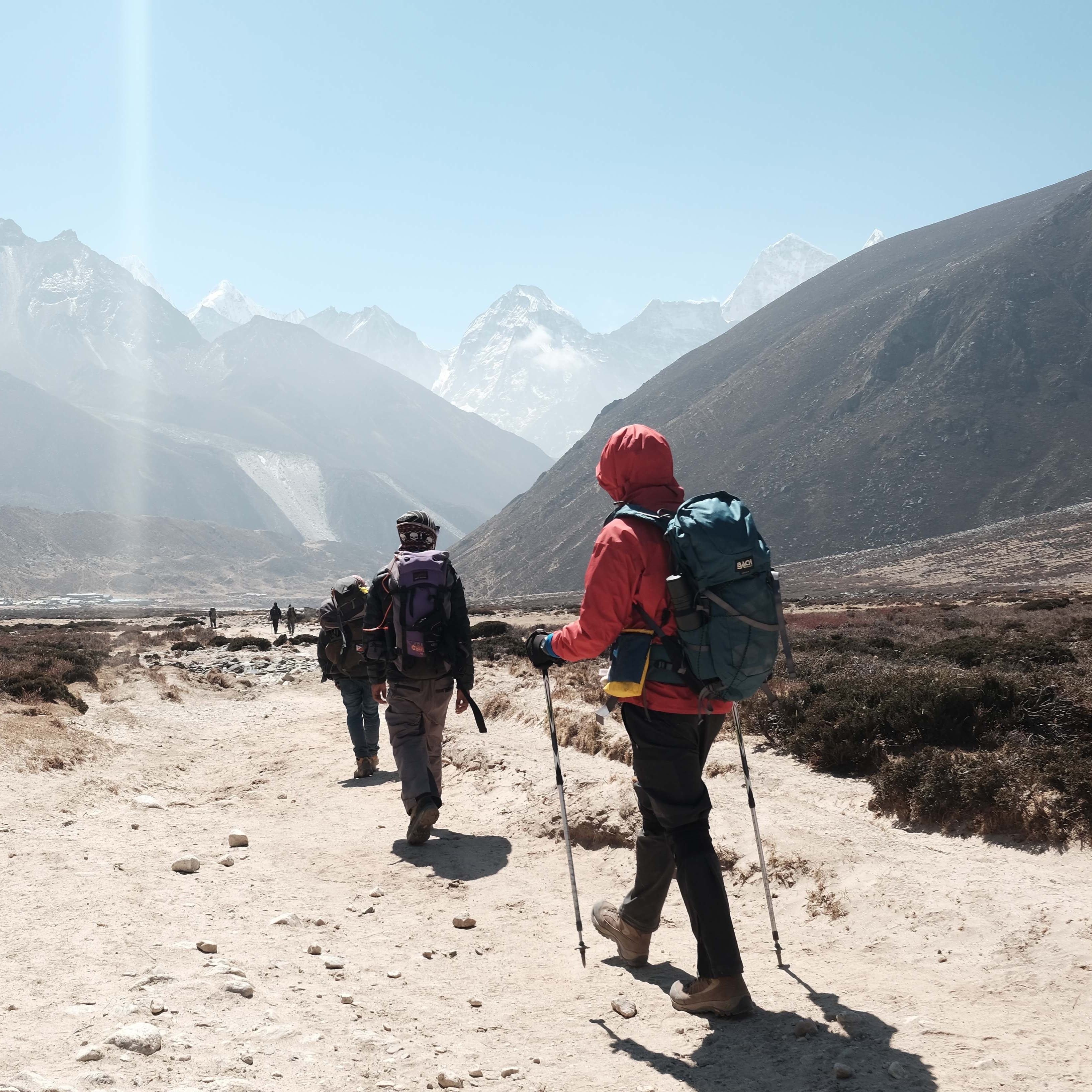
7 Brutal Mistakes That Will Ruin Your EBC Trek (2027 Update)
Trekking to Everest Base Camp (EBC) is a bucket-list journey, but it’s also unforgiving if you make the wrong choices. Even experienced hikers can be derailed by poor planning or surprise conditions. Before you book flights or lace up your boots, read this because one mistake could cost you the trek, your safety, or both.
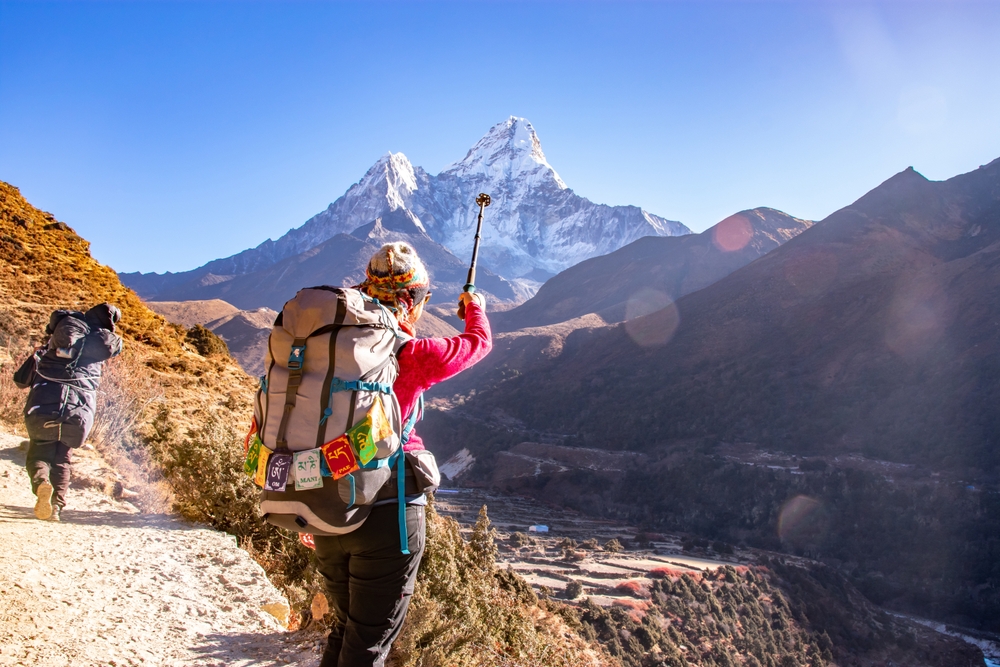
1. Skipping Real Acclimatization
This is the single biggest reason trekkers fail or get seriously sick.
Today’s popular itineraries still rush from Lukla to high villages without proper acclimatization. Altitude sickness (AMS) doesn’t discriminate it can strike even fit or experienced hikers.
How it ruins your trek:
- Persistent headaches, nausea, loss of appetite
- Fatigue that never goes away
- Forced descent or evacuation
What to do instead:
Integrate rest days (especially in Namche Bazaar and Tengboche) and follow the “climb high, sleep low” rule. Your body needs time to adjust; this is non-negotiable.
2. Ignoring Weather Patterns and Seasonal Shifts
2027 has already seen increasing variability in mountain weather thanks to climate shifts.
People still plan EBC like it’s a stable route. It isn’t. Afternoon snow, sudden windstorms, and late monsoon remnants can happen outside the classic seasons.
How it ruins your trek:
- Long flight delays (Lukla is weather-sensitive)
- Snowed-out trails and avalanche risk
- Lost views and low morale
What to do instead:
Check updated season projections, jetstream timing, and local forecasts. Build buffer days into your schedule and plan for weather-related delays.
3. Underestimating the Difficulty of the Terrain
The EBC trek is often misrepresented as “moderate trekking,” but above 4,000 m it feels alpine:
- Rocky, uneven ground
- Loose scree and glacier moraine near Base Camp
- Early morning ice on trails
How it ruins your trek:
- Blisters and foot injuries
- Fatigue that compounds daily
- Slow, discouraged hiking pace
What to do instead:
Train with long hikes on uneven terrain and practice steep descents in boots prior to departure. Strength and balance matter as much as cardio.
4. Packing Too Much or the Wrong Gear
New trekkers often overpack comfort items and underpack essentials.
The reality? Above Namche, everything gets heavier, colder, and more unpredictable.
How it ruins your trek:
- Heavy pack = slower pace + greater fatigue
- Late starts and slower daily progress
- Cold or wet gear leads to hypothermia risk
What to do instead:
Follow a smart, minimalist packing strategy:
- Quality base layers and windproof outer shells
- Down jacket rated for sub-zero
- Broken-in trekking boots
- Headlamp and plenty of electrolytes
Leave non-essentials at home; you don’t need them at altitude.
5. Relying on Cheap or Incomplete Travel Insurance
Standard travel insurance doesn’t automatically cover helicopter evacuation or high-altitude treatment.
When something goes wrong at 4,500+ meters, costs escalate quickly.
How it ruins your trek:
- Out-of-pocket evacuation bills
- Lack of medical coverage where it matters most
- Stress and financial risk
What to do instead:
Buy insurance specifically covering high-altitude trekking up to at least 6,000 m, including emergency evacuation and HAPE/HACE treatment.
6. Underestimating Logistics Around Lukla
Most itineraries still treat the Lukla flight as a simple flight in, trek out.
It isn’t.
Lukla flights are among the world’s most weather-dependent.
How it ruins your trek:
- Delayed departures
- Missed connections in Kathmandu
- Forced backtrack days (costing money and time)
What to do instead:
Build buffer days in Kathmandu and Lukla into your schedule. Don’t plan tight international flight connections through Lukla.
7. Overlooking Mental and Emotional Preparation
People focus on physical training but the mental and emotional challenge is just as real.
Days are long. Weather can be frustrating. Food gets repetitive. Nights are cold.
How it ruins your trek:
- Loss of motivation
- Pacing mistakes
- Frequent thoughts of quitting
What to do instead:
Visualize the trek. Build small challenges into training. Practice patience and mindfulness. This trek is as much a mental challenge as a physical one.
BONUS: The Social Pressure Mistake
Instagram and social media have changed how people approach EBC.
The pressure to get the “perfect shot” or complete too much ground in a day leads many to force progress instead of pacing safely.
This increases risk, not reward.
Final Reality Check
Everest Base Camp in 2027 is unforgettable but not easy, not casual, and not forgiving.
Avoid these mistakes and you increase your chances of:
- Reaching Base Camp safely
- Enjoying every step of the journey
- Looking back with pride not regret
