
Altitude Sickness: The Only 3 Tips You Actually Need to Stay Safe
Essential advice for Everest Base Camp trekkers in 2027
Altitude sickness is one of the most common and potentially dangerous challenges for anyone trekking to Everest Base Camp (EBC). Also called acute mountain sickness (AMS), it occurs when your body struggles to adapt to reduced oxygen at high elevations. While there’s a lot of conflicting advice online, the truth is: you really only need three core strategies to stay safe.
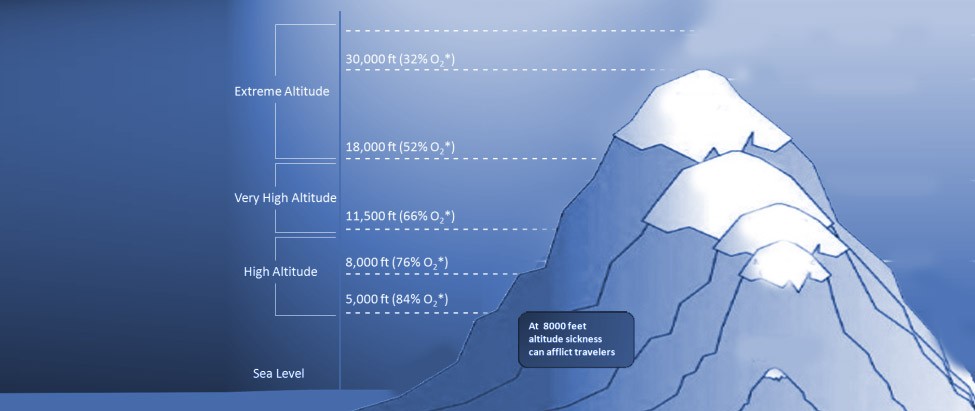
1. Ascend Slowly and Acclimatize Properly
The most effective way to prevent altitude sickness is to give your body time to adjust. Rapid ascent is the number one risk factor for AMS.
- Follow the "Climb High, Sleep Low" principle: Gain altitude during the day but sleep at a lower elevation.
- Limit daily elevation gain: Aim for 300–500 meters per day above 3,000 meters.
- Include rest/acclimatization days: For EBC, resting in Namche Bazaar or Dingboche for a day or two is highly recommended.
Patience on the trail is more important than speed. Ascending too fast is the fastest route to headaches, nausea, or worse.
2. Stay Hydrated and Nourished
Your body adjusts better when it’s well-fueled and hydrated. Dehydration exacerbates altitude sickness and fatigue.
- Drink consistently: 3–4 liters of water per day is recommended.
- Electrolytes help: Include oral rehydration salts or electrolyte drinks.
- Eat balanced meals: Carbohydrates are particularly important for energy at altitude.
Avoid excessive alcohol or caffeine, as these can dehydrate you and increase AMS risk.
3. Know the Symptoms and Respond Early
Even with perfect planning, altitude sickness can still occur. Early recognition and action are crucial.
Common Symptoms:
- Headache
- Nausea or vomiting
- Dizziness
- Shortness of breath while resting
What to Do:
- Mild symptoms: Stop ascending, rest, hydrate, and monitor.
- Moderate to severe symptoms: Descend immediately; supplemental oxygen may be needed.
- Do not ignore symptoms: Continuing to ascend with moderate or severe AMS can lead to high-altitude cerebral edema (HACE) or pulmonary edema (HAPE), both life-threatening conditions.
Carrying a portable pulse oximeter can help you track oxygen saturation, though symptoms are always the best guide.
Bonus Tip: Optional Preventive Measures
- Acetazolamide (Diamox): Some trekkers use this medication to aid acclimatization, but it should only be taken under medical guidance.
- Avoid overexertion: Slow, steady pacing conserves energy and reduces AMS risk.
Final Thought
Altitude sickness is serious but entirely manageable with the right approach. For EBC trekkers, remember the three core strategies:
- Ascend slowly and acclimatize properly.
- Stay hydrated and well-nourished.
- Recognize symptoms early and respond immediately.
By sticking to these principles, you can maximize your chances of reaching Everest Base Camp safely and enjoying the journey, rather than battling preventable illness.
