
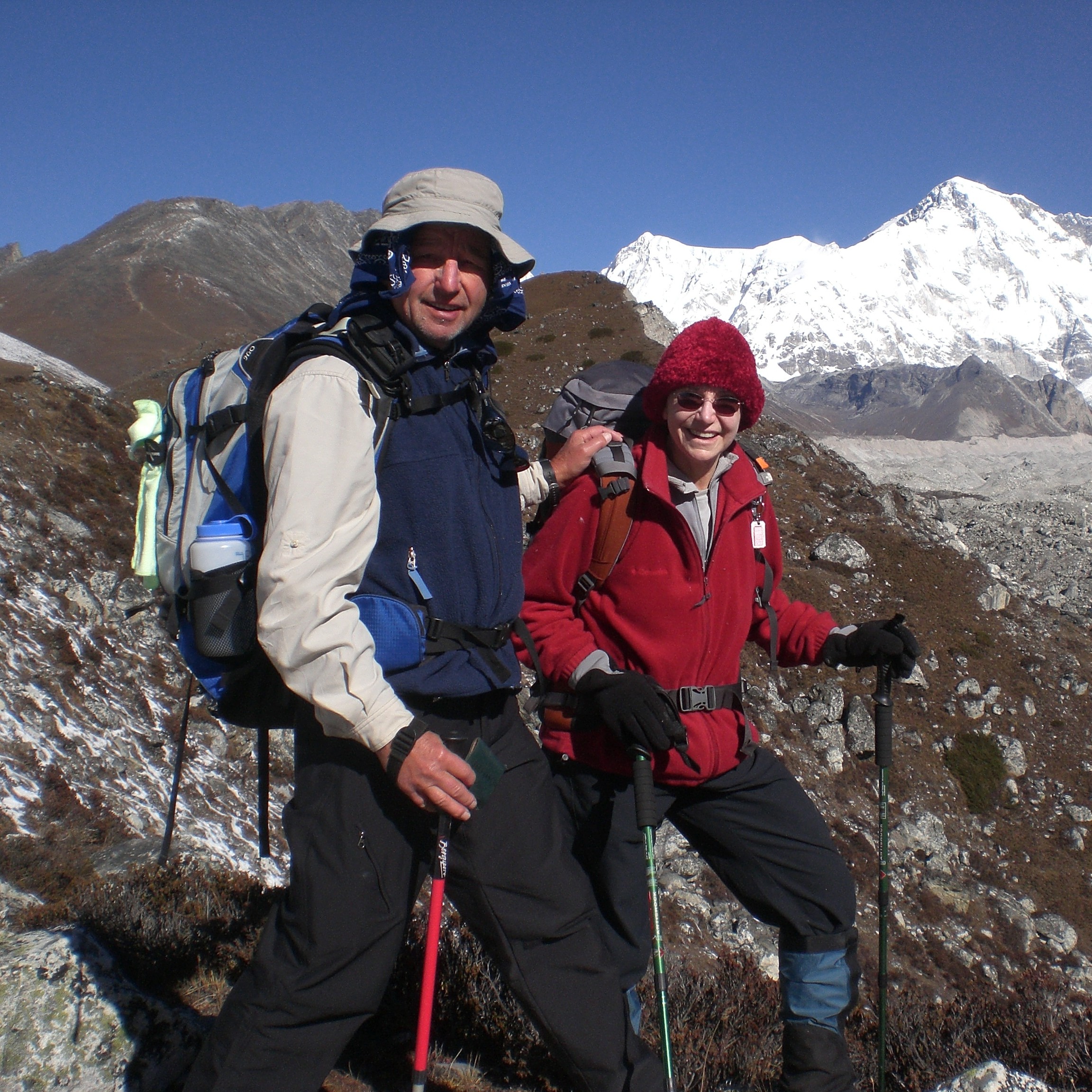
Eco-Conscious Everest: A 100% Sustainable Trekking Package
Overview
The Eco-Conscious Everest Trek is designed for travelers who want to experience the Himalayas responsibly. This 100% sustainable trekking package emphasizes low environmental impact, cultural respect, and eco-friendly practices, all while guiding you through iconic Everest region landscapes, Sherpa villages, and high-altitude adventures.
By choosing this trek, you not only explore Everest Base Camp and Kala Patthar, but also support local communities, reduce waste, and preserve the pristine Himalayan environment. This is the ultimate journey for eco-conscious adventurers seeking both thrill and responsibility
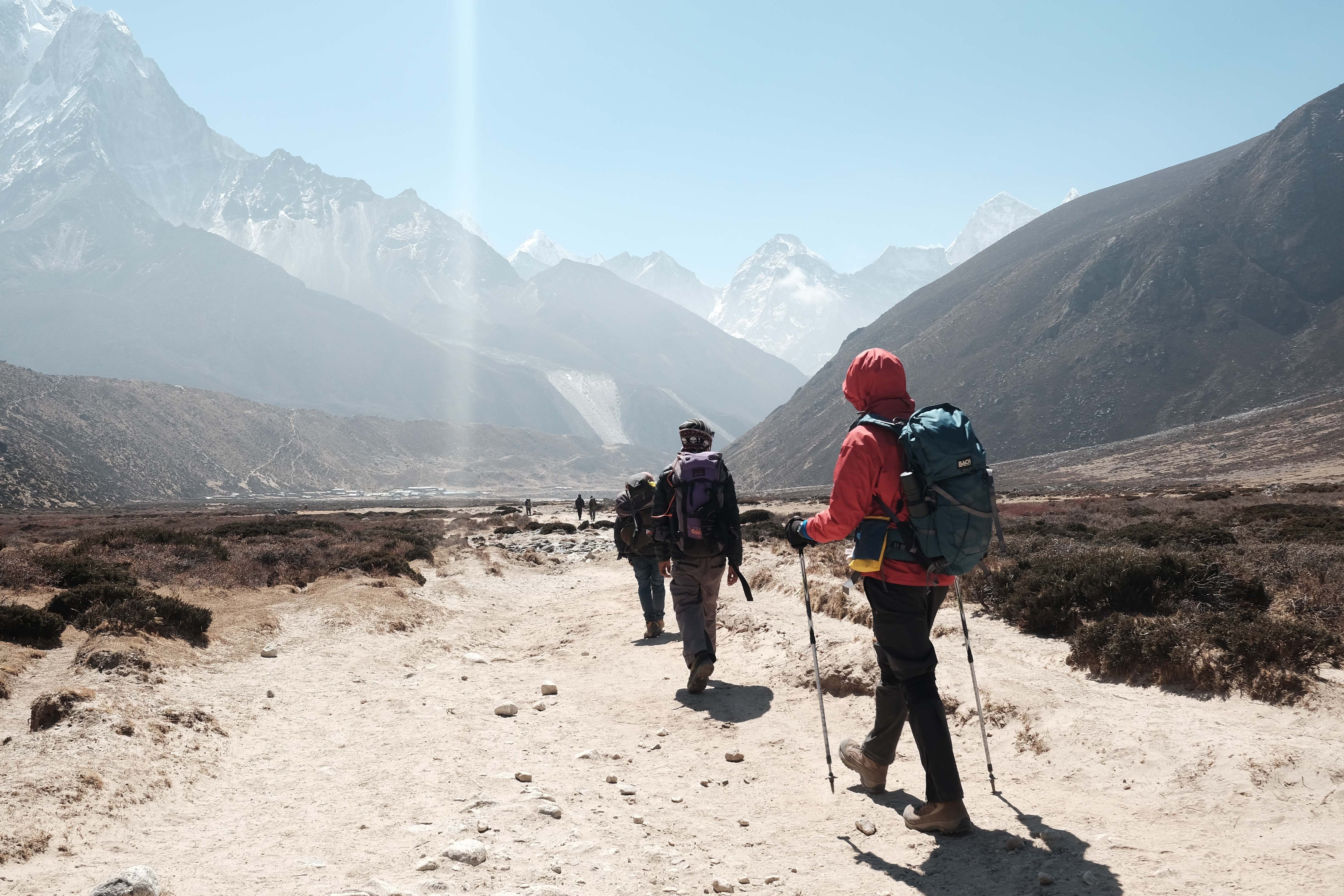 Trek Highlights
- Everest Base Camp (5,364m): Experience the iconic EBC trail with minimal environmental footprint.
- Kala Patthar Sunrise (5,545m): Capture panoramic Himalayan vistas responsibly.
- Sustainable Accommodations: Eco-friendly lodges, solar-powered facilities, and waste management systems
- Sherpa Villages: Support local economies through responsible tourism and community initiatives.
- Environmental Awareness: Guided discussions on Himalayan ecology, conservation, and sustainable trekking practices.
Best Time to Trek
- Spring (March–May): Clear skies, moderate temperatures, and blooming rhododendrons.
- Autumn (September–November): Stable weather, crisp air, and vibrant scenery.
Avoid monsoon (June–August) due to landslides and winter (December–February) unless prepared for cold, snowy conditions.
Physical Fitness & Preparation
This trek is moderate to challenging:
- 5–7 hours of trekking daily
- Ability to manage steep trails and high-altitude conditions
- Cardiovascular and endurance training recommended
- Prior high-altitude trekking experience helpful but not mandatory
Sustainable Accommodation & Amenities
- Eco-Lodges & Tea Houses: Solar-powered energy, waste recycling, and environmentally friendly practices.
- Meals: Locally sourced, organic ingredients minimizing carbon footprint.
- Guides & Porters: Trained in sustainable trekking practices, minimizing trail impact.
- Connectivity: Limited mobile coverage, encouraging digital detox and environmental awareness.
Trekking Permits
- Sagarmatha National Park Permit (SNP) – mandatory
- TIMS Card – Trekkers’ Information Management System card required
Mountain Tiger Nepal manages all permits, logistics, and ensures adherence to sustainability standards.
Suggested 12-Day Eco-Conscious Everest Trek Itinerary
Tips for Eco-Conscious Trekkers
- Carry Reusable Gear: Water bottles, cutlery, and food containers to minimize waste.
- Follow Leave No Trace Principles: Do not litter, and dispose of waste properly.
- Support Local Businesses: Purchase locally made goods and meals.
- Energy Conservation: Use solar charging and reduce unnecessary electricity use.
- Responsible Photography: Respect local customs and communities when taking photos.
Why Choose the Eco-Conscious Everest Trek?
- Trek responsibly while enjoying iconic Himalayan landscapes
- Minimize your environmental impact through sustainable practices
- Support local Sherpa communities and eco-friendly accommodations
- Professional guides ensure safety, logistics, and environmental education
Experience the beauty of Everest while protecting it for future generations. The Eco-Conscious Everest Trek is the ultimate adventure for travelers who want to tread lightly, explore deeply, and leave a positive impact.
