
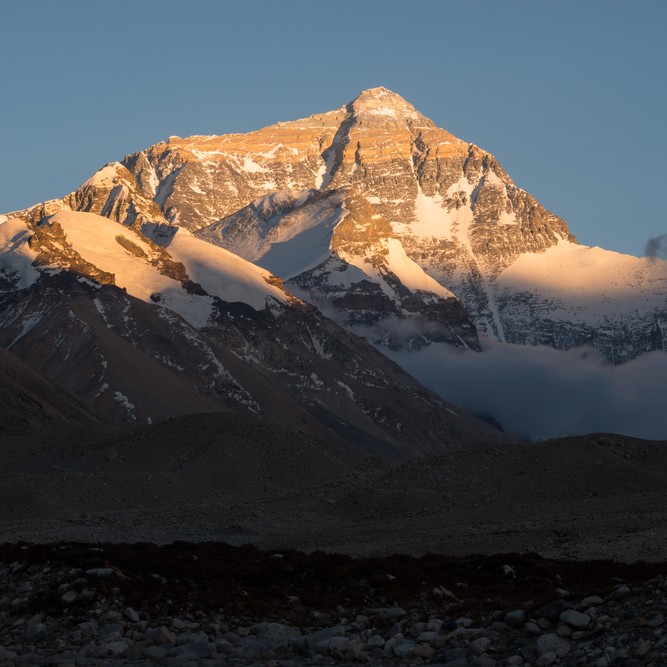
Everest Base Camp in January: Is the Extreme Cold Worth the Solitude?
Everest Base Camp (EBC) is a dream destination for adventurers, but most trekkers flock there during spring (March–May) or autumn (September–November). Few consider the harsh winter months, when temperatures plummet, weather can be unpredictable, and daylight hours are shorter.
So, why would anyone attempt EBC in January, and is the extreme cold really worth it? Here’s an insider look for 2027 trekkers considering a winter adventure.
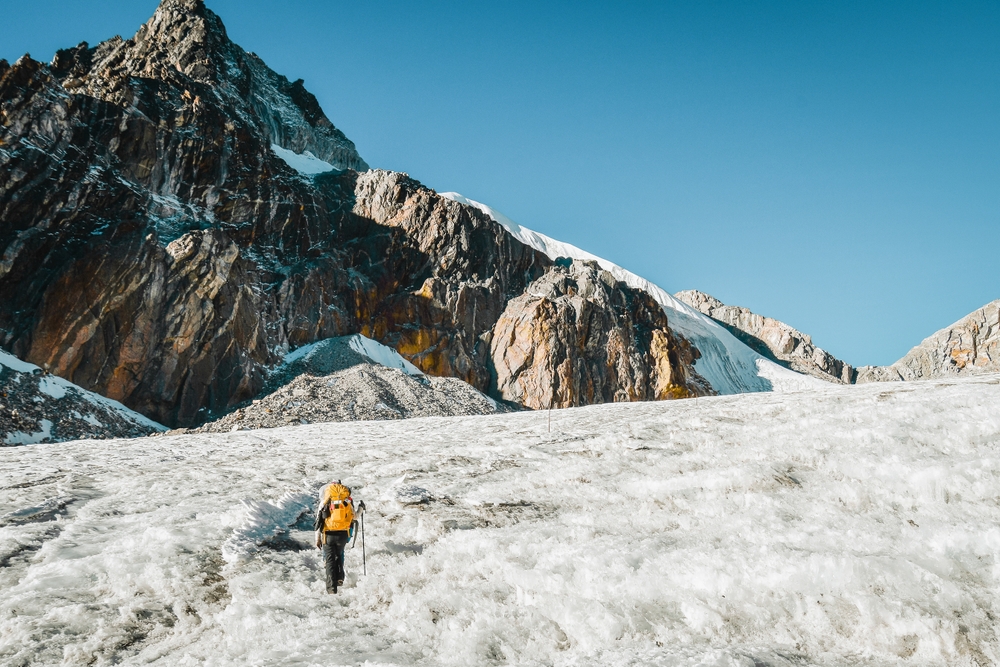
Why January Treks Are Rare
January is the coldest month in the Khumbu region:
- Temperatures at Base Camp can drop to -20°C or lower at night
- Wind chill can make it feel much colder at higher altitudes
- Shorter daylight hours limit trekking time to 6–7 hours per day
Because of these extreme conditions, most trekkers avoid January. Those who do venture in are often seeking solitude, photography opportunities, or a unique challenge.
The Solitude Factor: A Trekker’s Dream
The biggest advantage of January trekking is near-complete solitude:
- Teahouses are mostly empty, so you can often get private rooms without pre-booking
- Trails are quiet, offering undisturbed views of Everest, Lhotse, Nuptse, and Ama Dablam
- You can experience pristine snow landscapes and ice formations without crowds
- Sunrise and sunset over snow-covered peaks are dramatically beautiful and nearly private
For photographers and solitude-seekers, January offers an unmatched, almost mystical Himalayan experience.
Challenges of January Trekking
- Extreme Cold
- Requires high-quality down jackets, sleeping bags rated to -20°C, and thermal layers
- Risk of frostbite or hypothermia if unprepared
- Limited Services
- Some teahouses may be closed
- Hot water may be limited
- Fewer trekking support services and fewer guides available
- Shorter Days & Weather Risks
- Less daylight means early starts and careful planning
- Snowstorms can block trails, making trekking slower and more physically demanding
- Physical Strain
- Carrying heavier gear for warmth adds to fatigue
- Walking on snow and icy paths increases risk of slips and injuries
Tips for a Safe & Enjoyable January EBC Trek
- Gear Up Properly: Invest in quality insulated boots, down jackets, thermal layers, gloves, and sleeping bags.
- Plan for Short Days: Start early and allow extra time for acclimatization.
- Stay Hydrated & Fueled: Cold weather increases calorie needs; carry high-energy snacks.
- Consider a Guide or Porter: Even experienced trekkers benefit from local knowledge and support in winter conditions.
- Check Weather Updates: Snowstorms and extreme cold can change plans quickly.
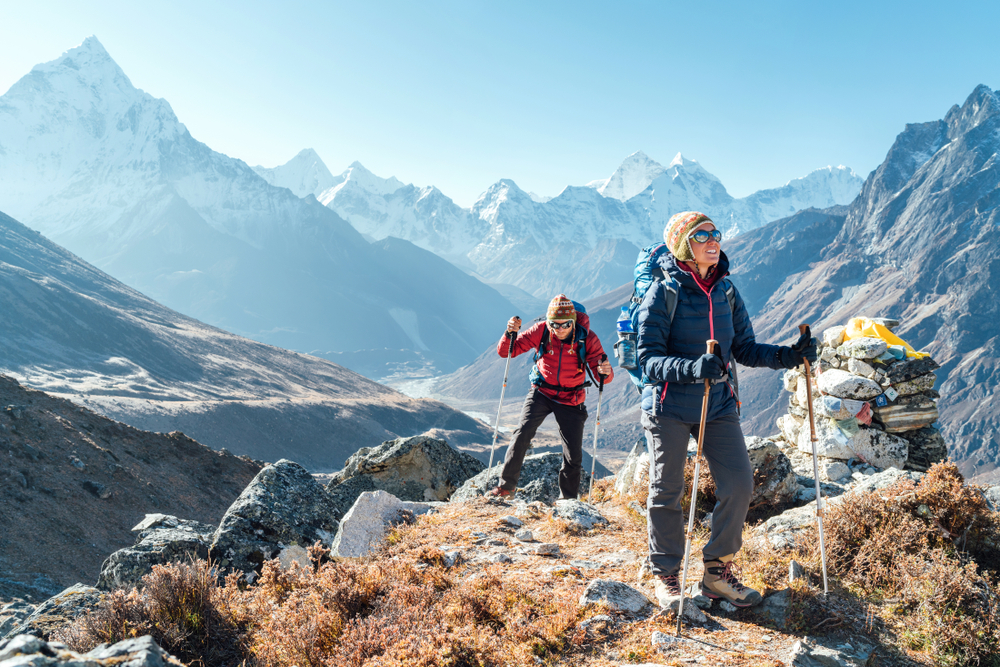
Is It Worth It?
January trekking is not for everyone. It requires preparation, endurance, and a willingness to embrace the cold.
However, for those seeking:
- Solitude and quiet reflection
- Epic winter landscapes
- Unique photographic opportunities
- A mental and physical challenge beyond the typical trek
…the extreme cold is well worth the effort.
Final Verdict
Everest Base Camp in January is a different experience entirely:
- It is quieter, more pristine, and visually spectacular
- Physical and logistical challenges are higher than spring or autumn
- The sense of achievement is magnified by the extreme conditions
For 2027 adventurers looking to escape the crowds and witness Everest in winter’s raw beauty, January offers an unforgettable experience but only for those who come prepared.
