
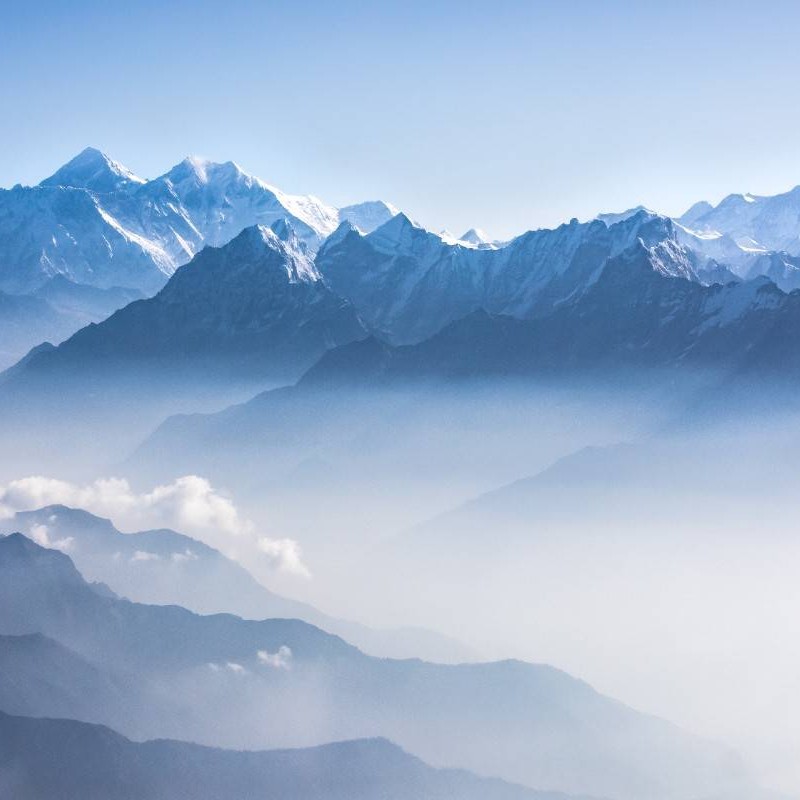
Everest Base Camp vs. Gokyo Lakes Trek: Which One Should You Choose in 2026?
Nepal’s Everest region offers two iconic trekking options: the Everest Base Camp (EBC) trek, renowned worldwide for its legendary Khumbu views, and the Gokyo Lakes trek, a scenic, tranquil alternative with breathtaking alpine lakes. Both treks showcase the Himalayas, but they differ in difficulty, scenery, crowd levels, and overall experience.
This guide helps you decide which trek fits your style, timeline, and adventure goals in 2026.
Overview of the Treks
Everest Base Camp trek covers approximately 130 kilometers round trip, usually completed in 12–14 days. The highest point is 5,364 meters at Base Camp, with highlights including Kala Patthar sunrise, Sherpa villages, and the famous Namche Bazaar.
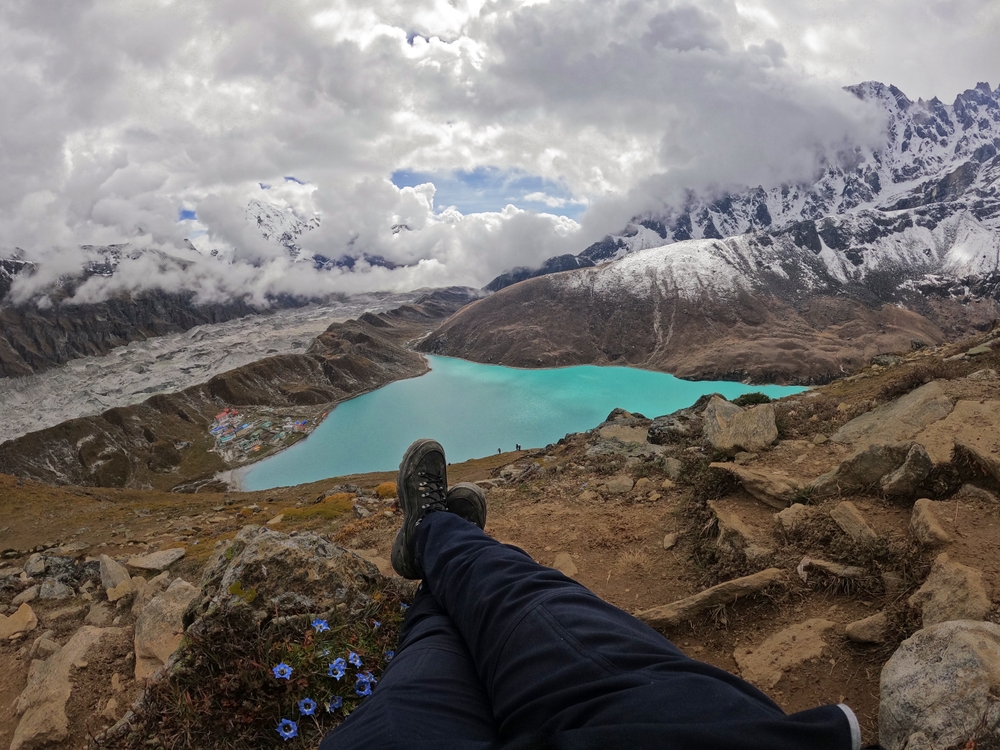
Gokyo Lakes trek is slightly shorter at 120 kilometers round trip, also completed in 12–14 days. Its highest point is 5,357 meters at Gokyo Ri, offering panoramic views of the surrounding peaks and glacial lakes, including the Ngozumpa Glacier, the largest in Nepal.
Scenery and Views
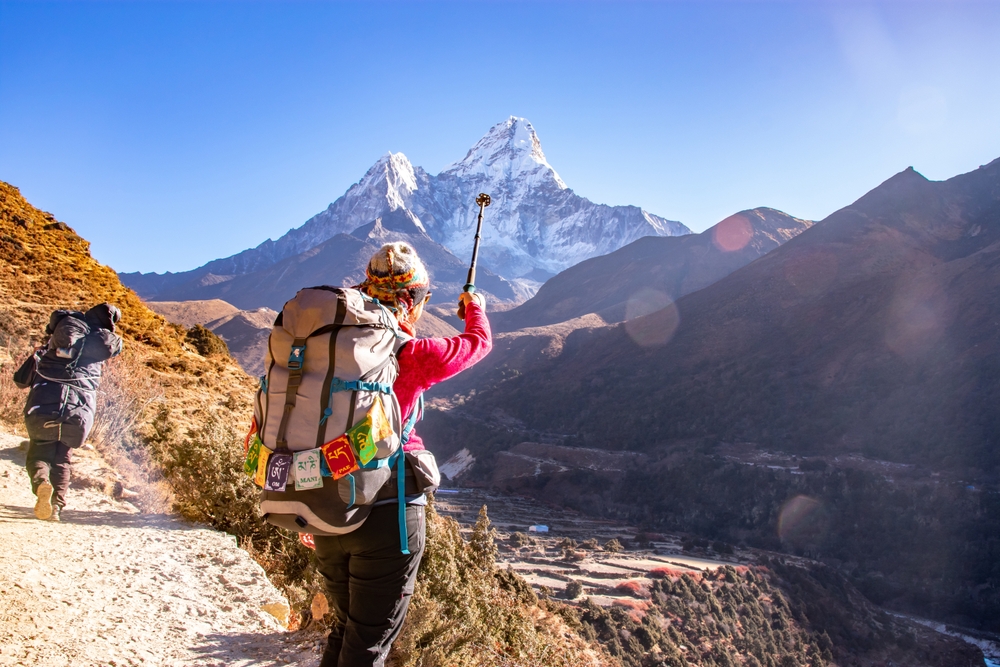
The Everest Base Camp trek takes you through dense rhododendron forests, suspension bridges, and traditional Sherpa villages. Iconic views of Mount Everest, Lhotse, Nuptse, and Ama Dablam dominate the landscape. However, due to its popularity, some sections can be crowded during peak trekking seasons.
In contrast, the Gokyo Lakes trek emphasizes pristine alpine lakes, quiet trails, and panoramic vistas from Gokyo Ri. The route passes fewer trekkers and more untouched wilderness, creating a peaceful, immersive experience.
For travelers prioritizing famous Everest landmarks, the EBC trek is ideal. For those seeking solitude and unique alpine scenery, Gokyo Lakes offers unmatched beauty.
Crowd Levels and Trekking Experience
Everest Base Camp is the most popular trek in Nepal, attracting trekkers from all over the world. This means teahouses and trails can be busy during peak seasons, particularly March to May and September to November.
Gokyo Lakes, on the other hand, is far less crowded. Trails are quieter, and accommodations are simpler, allowing a more reflective and serene trekking experience.
Difficulty and Physical Demand
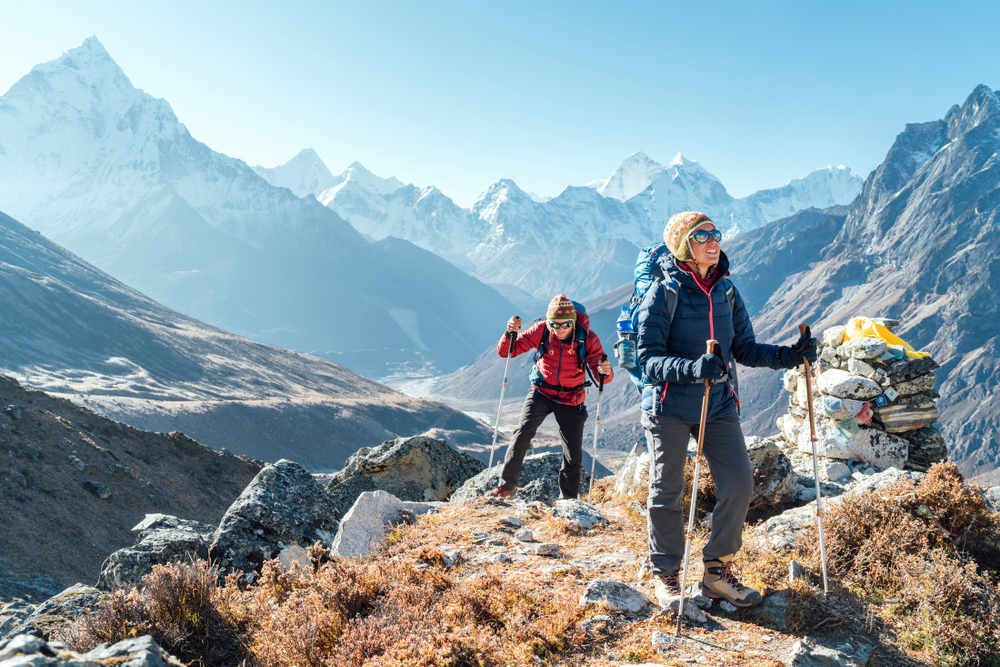
Both treks require good physical fitness, but there are subtle differences. Everest Base Camp is considered moderate to challenging. The altitude gain is gradual, but some steep sections can be physically demanding. Altitude sickness risk is moderate and manageable with proper acclimatization.
Gokyo Lakes is slightly more strenuous due to longer daily hikes and steeper ascents, particularly the climb to Gokyo Ri. This route is better suited for trekkers who are fit and seeking adventure off the beaten path.
Duration and Logistics
Both treks generally take 12–14 days starting from Lukla. Accommodation options along Gokyo Lakes are more limited, so planning is essential to secure rooms. Flights to Lukla remain the standard starting point for both treks. Hiring a guide or porter is recommended, especially for first-time trekkers.
Permits and Costs
Both routes require the TIMS Card ($10–$20) and Sagarmatha National Park Permit ($30). Additional small community or environmental fees may apply for remote villages.
While the overall cost is similar, the Gokyo Lakes trek can be slightly more expensive due to limited teahouse availability, which may increase accommodation or guide expenses.
Sunrise Views: Kala Patthar vs. Gokyo Ri
Kala Patthar on the Everest Base Camp trek is the ultimate sunrise viewpoint for photographing Mount Everest. Its iconic panorama attracts trekkers worldwide.
Gokyo Ri provides 360-degree Himalayan views, including Everest, Lhotse, Cho Oyu, and the Ngozumpa Glacier. Many trekkers consider it even more spectacular due to the variety of peaks visible in one frame.
Cultural Experience
The Everest Base Camp trek passes through Namche Bazaar, Tengboche Monastery, and multiple Sherpa villages, providing rich cultural immersion.
The Gokyo Lakes trek features fewer villages and less cultural exposure, offering more wilderness and solitude while still providing glimpses of Sherpa life.
Key Differences
Everest Base Camp is highly popular, with iconic views and significant cultural interaction. Gokyo Lakes is quieter, more scenic, and offers pristine landscapes, but with fewer villages and basic teahouses.
For trekkers seeking first-time Everest experiences and cultural exposure, EBC is ideal. For those valuing peace, scenic diversity, and adventure, Gokyo Lakes is the better choice.
Making the Choice
Choosing between Everest Base Camp and Gokyo Lakes depends on your priorities. If your goal is to witness the legendary Base Camp and Kala Patthar sunrise while interacting with Sherpa communities, the classic EBC trek is the perfect choice.
If your focus is solitude, alpine lakes, and panoramic peak views with fewer crowds, Gokyo Lakes offers a more serene and rewarding adventure. Both treks provide an unforgettable Himalayan experience, but the best option aligns with your trekking style, fitness level, and personal preferences.
