
Ghandruk or Ghandrung? The Forgotten Story Behind Nepal's Famous Gurung Village
Why Do Some Elderly Locals Still Say "Ghandrung"?
Linguistic Evolution
If you sit by the fire in a traditional tea house and speak to the village elders, you might notice something fascinating: they rarely call their home "Ghandruk." Instead, they refer to it as Ghandrung. This isn't a mispronunciation, but rather a reflection of the rich linguistic history of the region before modern Nepali and English standardization took over.
Gurung Pronunciation Traditions
The native inhabitants of this region belong to the Gurung community, who speak their own indigenous language known as Tamu Kyi. The Gurung dialect heavily features deep, resonant nasal sounds. The original name "Ghandrung" perfectly captures this phonetic heritage. The hard "k" sound at the end of "Ghandruk" is a relatively modern adaptation.
 The timeless stone architecture of Ghandruk.
The History of Ghandruk
Origins of the Settlement
Centuries ago, nomadic tribes moving through the high Himalayas settled on these fertile, terraced hillsides. They found a haven shielded from extreme alpine weather but elevated enough to offer protection. Over the generations, this settlement birthed some of the bravest warriors in the world—many of whom would go on to serve in the legendary Gurkha regiments of the British and Indian armies.
Ancient Trade Routes
Before it was a trekking paradise, Ghandrung was a vital stopover on the ancient trans-Himalayan salt trade route. Traders from Tibet would cross the high passes, leading caravans of mules loaded with salt, exchanging them for grains grown in the lower valleys of Nepal.
Understanding Gurung Culture
Traditional Architecture
The village is an architectural marvel. Walking through the narrow, slate-paved alleys, you are surrounded by closely clustered stone houses topped with heavy slate roofs. These structures were ingeniously designed to withstand monsoon rains and winter snows, keeping the interiors warm and communal.
Local Customs
The spirit of the Gurung people is best experienced through their traditions. The Rodi Ghar (a traditional youth club) used to be the center of social life, where young people would gather to sing, dance, and weave. Today, locals still proudly wear their traditional attire—the Bhangra for men and the deep red Ghalek for women—during festivals like Tamu Lhosar.
How Names Change Over Time
Maps and Documentation
So, how did Ghandrung become Ghandruk? The shift largely happened during the 19th and 20th centuries when British surveyors and the Nepali government began formally mapping the Annapurna region. The nasal "ng" was difficult for early cartographers to transliterate accurately, leading to the official adoption of the phonetic spelling "Ghandruk" on national maps.
Tourism Influence
As Nepal opened its borders to global trekkers in the 1950s and 60s, "Ghandruk" proved easier for international tourists and guides to pronounce. The modern spelling stuck, cementing itself in guidebooks worldwide, while the original "Ghandrung" remains safely guarded in the memories of the village elders.
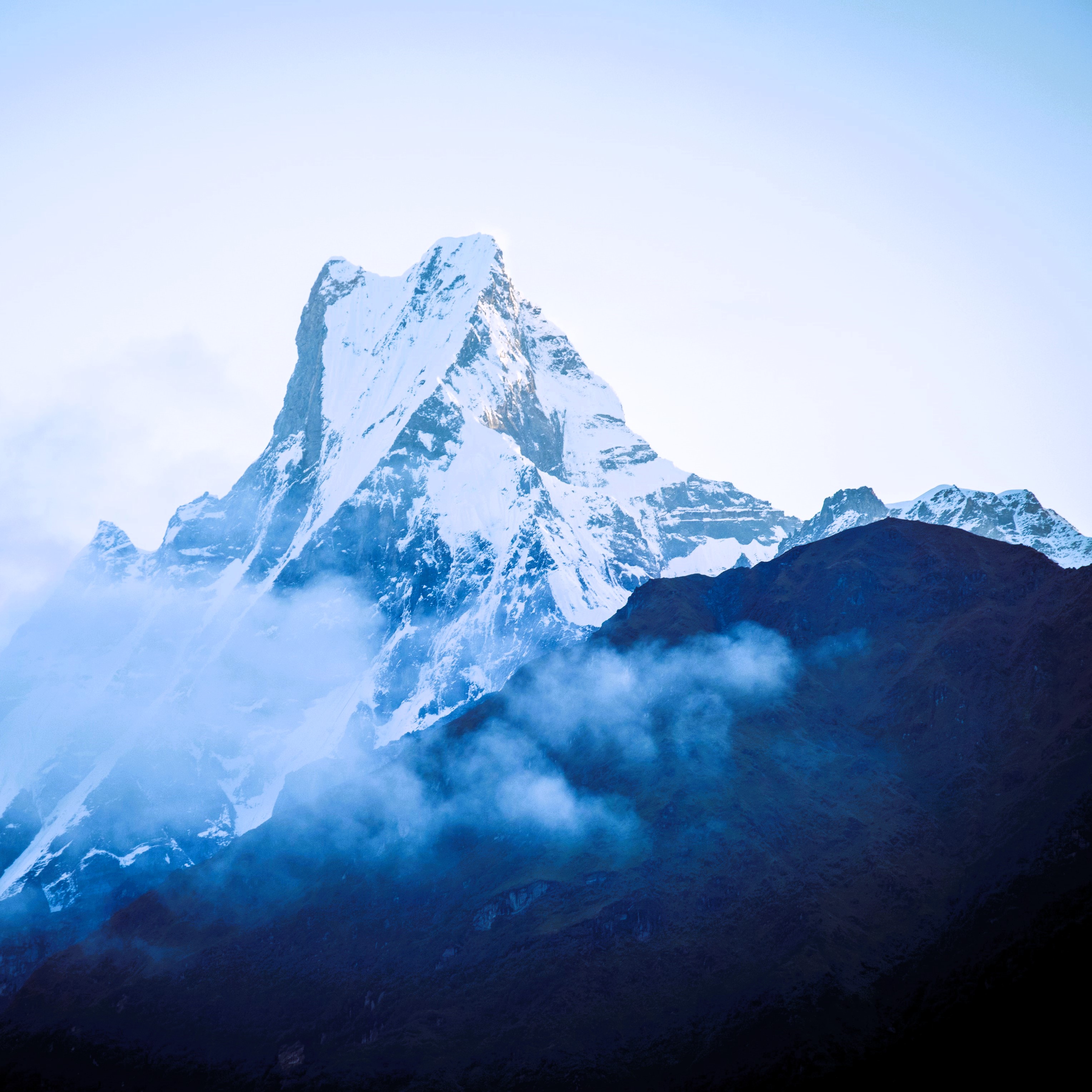
 The iconic view of Mt. Machapuchare (Fishtail) from the village.
Life in Ghandruk Today
Homestays
Ghandruk has transformed into a shining example of community-based tourism. Rather than large commercial hotels taking over, the locals have opened their homes. These homestays offer travelers organic meals sourced right from the village terraces and a genuine slice of Himalayan family life.
Mountain Views
Life here moves to the rhythm of the mountains. Every morning, the village wakes up to arguably the most spectacular, unobstructed sunrise views of Annapurna South, Hiunchuli, and the sacred, unclimbed peak of Machapuchare (Fishtail).
Why Ghandruk Remains One of Nepal's Most Beautiful Villages
Annapurna Panorama
Ghandruk is perfectly situated within the Annapurna Conservation Area. It isn't just a rest stop; it is a destination in itself. The sprawling panorama of the high Himalayas acts as a permanent, breathtaking backdrop to everyday village life.
Gurung Hospitality
Beyond the scenery, it is the warmth of the people that captures hearts. The Gurung philosophy of hospitality treats every guest as a divine visitor. Whether you call it Ghandruk or Ghandrung, the feeling of home you get when you arrive remains exactly the same.
Visit Ghandruk with Mountain Tiger Nepal
Ready to experience the vibrant culture and crisp mountain air of Ghandruk? Let Mountain Tiger Nepal guide you there on an unforgettable adventure.
Experience the magical sunrise over the Annapurnas from Poon Hill before descending through lush rhododendron forests to the beautiful village of Ghandruk.
Trek directly through Ghandruk on your way deep into the Annapurna Sanctuary, surrounding yourself with towering 8,000-meter peaks.
Want to focus purely on culture? We can arrange a custom homestay experience so you can live, eat, and learn the Gurung way of life.
🎮 Mountain Hangman
Can you guess the hidden Himalayan word before the trekker gets lost?
