How Much Does an Everest Base Camp Trek Really Cost in 2026?
Trekking to Everest Base Camp (EBC) is a dream adventure, but planning without a clear budget can quickly turn excitement into stress. Many travelers underestimate the real cost, focusing only on flights or gear while overlooking permits, local transport, meals, and small hidden fees along the trail.
This 2026 guide breaks down every cost element of the EBC trek, helping trekkers plan efficiently, save money, and enjoy a hassle-free Himalayan experience.
Why Knowing the True Cost Matters
The Everest Base Camp trek is not just about walking; it’s a high-altitude expedition that demands careful planning. Costs add up across flights, permits, accommodations, food, guides, and gear.
Being informed helps you:
- Avoid last-minute surprises
- Prepare financially for remote trail expenses
- Choose between budget, mid-range, or luxury trekking experiences
1. Flights: Getting to Nepal and Lukla
International Flights to Kathmandu
The starting point for your EBC trek is Kathmandu. Costs vary depending on your departure city:
- From Europe or the US: $700–$1,200 round trip
- From Asia or India: $250–$600 round trip
Kathmandu to Lukla Domestic Flight
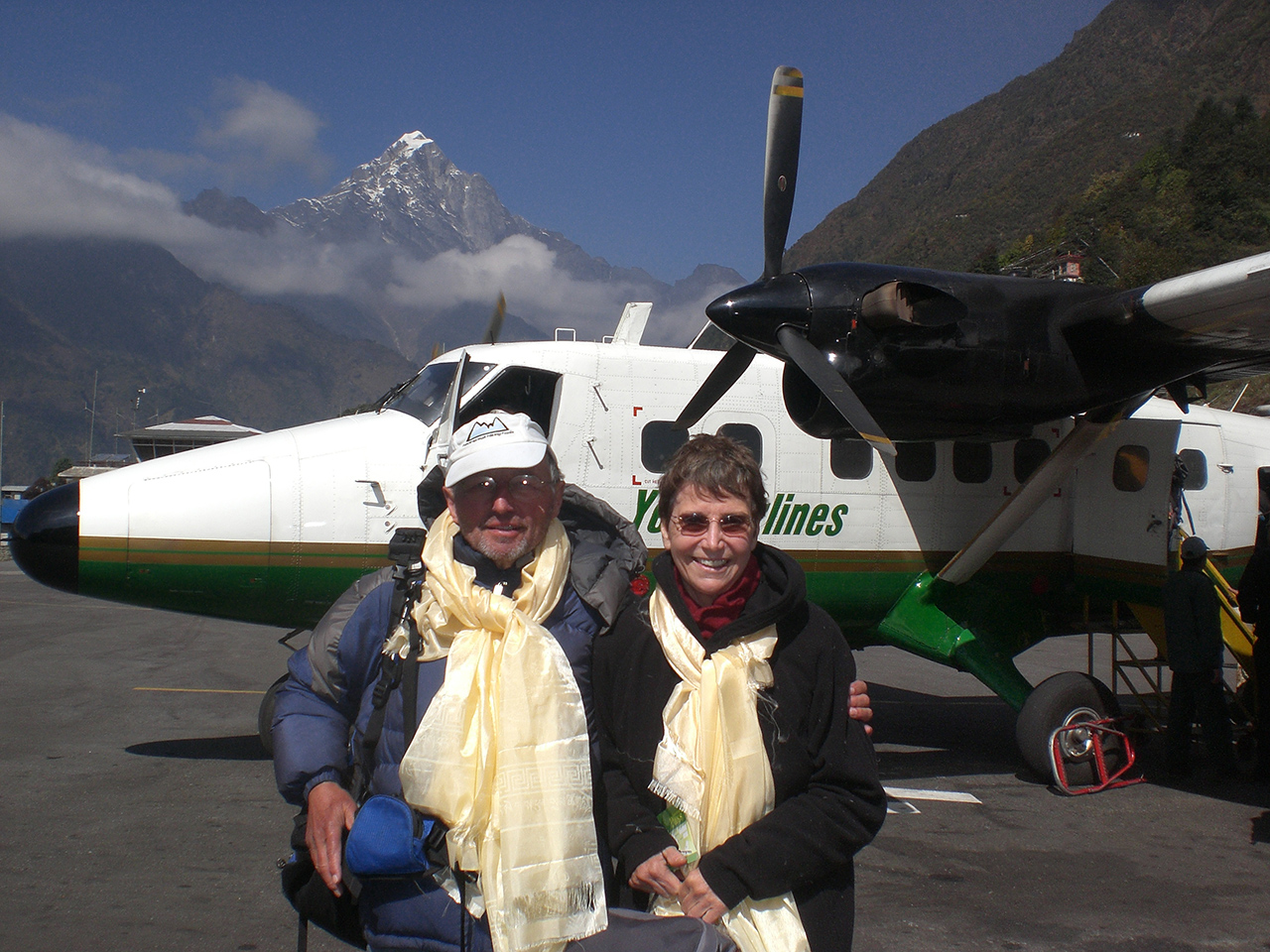
Lukla is the official starting point of the trek. Domestic flights usually cost:
- $180–$250 one-way per person
- Prices fluctuate based on season, weather, and airline
Pro Tip: Book early. Flights are limited, and delays are common during peak trekking seasons (spring and autumn).
2. Trekking Permits and Park Fees
Nepal requires trekkers to have permits for the Khumbu region:
- TIMS Card (Trekkers’ Information Management System): $10–$20
- Sagarmatha National Park Entry Permit: $30 per person
- Community/Environmental Fees: $1–$3 per night in remote villages
Many travelers overlook small village fees, but they are mandatory and support local conservation.
3. Accommodation Costs
Accommodation along the trail is mostly teahouses, ranging from basic to semi-comfortable:
- Lukla / Namche Bazaar: $15–$25 per night
- Tengboche / Pheriche: $10–$20 per night
- Lobuche / Gorak Shep: $15–$30 per night
Note: Teahouse rooms are simple, often with shared bathrooms and minimal heating. Premium teahouses are available but rare and expensive.
4. Food and Beverage Expenses
Meals on the EBC trail are typically charged per dish:
- Breakfast: $5–$8
- Lunch: $7–$10
- Dinner: $10–$12
- Tea, coffee, or snacks: $1–$3
Hidden cost: Bottled water is expensive ($2–$3 per liter). Using a water filter or purification tablets can save money.
5. Guide and Porter Costs
Hiring a local guide or porter improves safety, comfort, and trail navigation:
- Guide: $25–$35 per day
- Porter: $20–$30 per day (tips extra)
- Trek duration: 12–14 days
Pro Tip: Private guides are safer at high altitudes, while shared guides may save money for budget trekkers.
6. Gear and Miscellaneous Expenses
Trekking gear is an upfront investment but essential for safety and comfort:
- Sleeping bag, down jacket, trekking boots, base layers: $300–$600
- Travel insurance covering high-altitude trekking: $50–$100
- Trekking poles, sunglasses, power banks, and other accessories: $50–$150
Other small expenses include:
- Hot showers ($2–$5 each)
- Charging devices ($1–$3 per charge)
- Snacks, souvenirs, and internet access
7. Total Estimated Cost of Everest Base Camp Trek in 2026
8. Money-Saving Tips for Everest Base Camp
- Book flights early to secure lower prices.
- Bring a portable water filter to reduce bottled water expenses.
- Share guides or porters with fellow trekkers when possible.
- Carry snacks from Kathmandu to avoid inflated trail prices.
- Pack gear efficiently to avoid last-minute purchases in Lukla.
9. Key Takeaways
- The EBC trek is achievable on a moderate budget, but costs rise with guides, premium lodging, and extra comforts.
- Budget trekkers can complete the journey for under $2,800, while mid-range trekkers with guides spend $4,500–$5,000. Luxury trekking experiences can exceed $6,000.
- Transparent planning ensures you can focus on trekking safely and enjoying the Himalayas, without financial surprises.