
How to Hike Annapurna Base Camp Solo vs. With a Guide: What You Need to Know
Trekking to Annapurna Base Camp (ABC) is one of Nepal’s most iconic Himalayan adventures. For many trekkers, the decision comes down to one key question: Should I go solo, or hire a guide?
Both options offer incredible experiences, but understanding safety, regulations, and practical considerations is essential before you decide.

Solo Trekking ABC
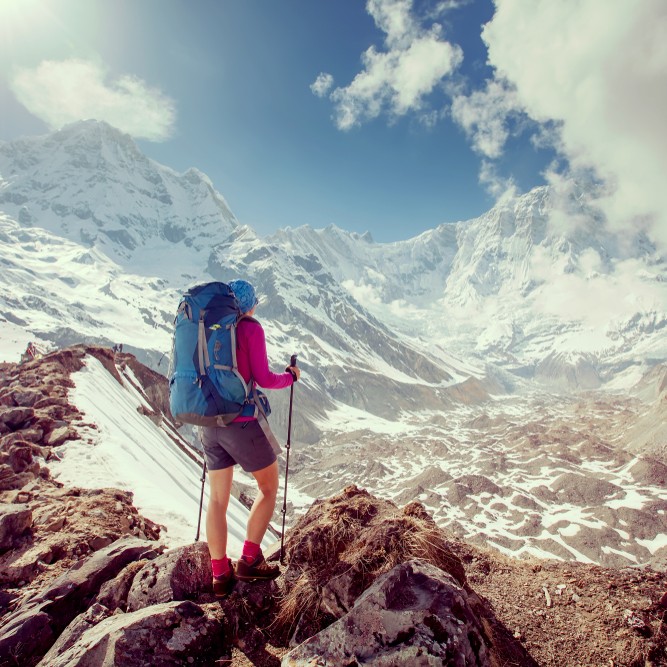
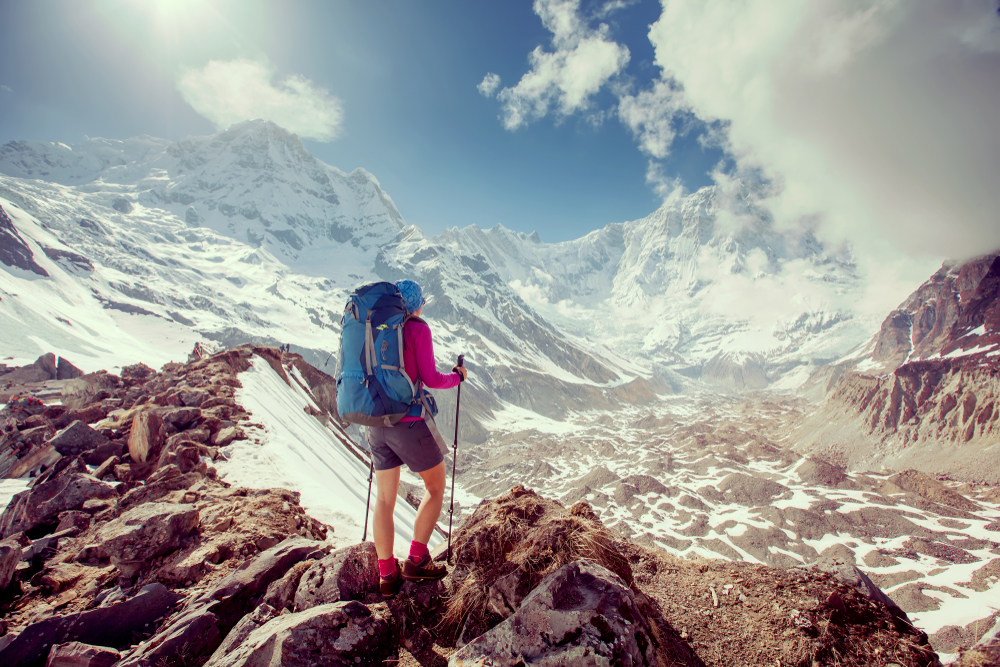
Hiking ABC solo is possible for experienced trekkers and those confident in navigation and altitude awareness.
Pros of Solo Trekking:
- Flexibility: Set your own pace, adjust your route, and change accommodations freely.
- Privacy and solitude: Enjoy personal reflection and uninterrupted views.
- Budget-friendly: Save on guide or porter fees.
Challenges and Risks:
- Navigation: Trails are mostly well-marked, but side paths and detours can be confusing.
- Altitude: Maximum elevation is 4,130 m; improper acclimatization can lead to altitude sickness.
- Emergency response: Solo trekkers need contingency plans for illness, injury, or extreme weather.
Requirements:
- Valid ACAP permit and TIMS card (mandatory even for solo trekkers)
- Knowledge of trail, weather, and altitude management
- Emergency contacts and basic trekking insurance
Tips for Solo Trekkers:
- Start early each day to avoid crowds and ensure timely arrival at teahouses
- Carry a fully charged phone, power bank, and local SIM card
- Inform your hotel or trekking agency of your route and expected arrival
Guided Trekking ABC
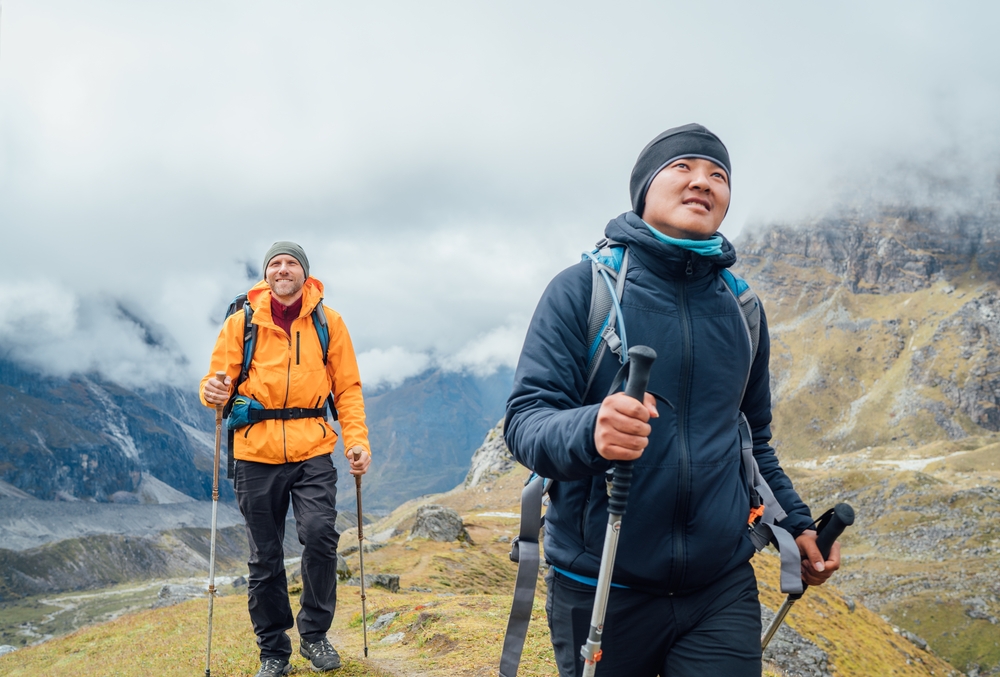
Hiring a guide is the recommended option for beginners, international travelers, and those unfamiliar with high-altitude trekking.
Benefits of a Guide:
- Safety and expertise: Guides know trails, weather patterns, and altitude risks.
- Local knowledge: Gain cultural insights, language support, and hidden trail recommendations.
- Reduced stress: Guides handle logistics, permits, and accommodations, allowing you to focus on the trek.
Cost:
- Daily rate: $25–$35 USD per day
- Often includes local support, planning, and advice for acclimatization
Tips for Guided Treks:
- Hire certified, reputable guides through recognized agencies
- Ensure your guide carries first-aid supplies and emergency communication devices
- Discuss expectations and trail pace before starting
Hybrid Option: Solo Trek with Porter
Some trekkers combine solo trekking with a porter to carry gear while maintaining independence:
- Reduces physical fatigue
- Porters can also help with navigation and teahouse arrangements
- Cost: $15–$25 USD per day
This hybrid approach balances freedom and safety, making it ideal for first-time solo trekkers.
Safety and Regulation Updates (2026)
- Permits are strictly enforced: Both ACAP and TIMS cards are required.
- Mandatory registration for foreign trekkers: Ensure your details are recorded at police check posts.
- Emergency response protocols: Many teahouses now have satellite phones and communication lines.
- Altitude awareness: The Annapurna region remains moderate, but proper acclimatization is critical to avoid Acute Mountain Sickness (AMS).
Decision Checklist: Solo vs Guided
Final Thoughts
Whether you choose solo trekking or hiring a guide, Annapurna Base Camp offers a safe, spectacular, and culturally rich Himalayan experience.
- Solo trekking: Ideal for confident, independent trekkers seeking flexibility and solitude.
- Guided trekking: Perfect for first-timers, those unfamiliar with the region, or anyone seeking enhanced safety and local insight.
No matter which path you take, planning ahead, understanding regulations, and respecting altitude limits will ensure your ABC trek is memorable, safe, and fulfilling.
