
How to Plan a Nepal–Tibet–Bhutan Tour in 2026
A Nepal–Tibet–Bhutan tour is one of the most exclusive and culturally rich travel experiences in Asia. Often called the “Himalayan Triangle,” this journey combines three distinct worlds in a single itinerary: Nepal’s adventurous landscapes, Tibet’s spiritual plateau, and Bhutan’s preserved Buddhist kingdom.

In 2026, demand for multi-country Himalayan travel continues to rise, especially among travelers seeking deeper cultural immersion beyond single-destination tours. However, planning this journey requires careful coordination due to visa regulations, travel permits, seasonal conditions, and cross-border logistics.
This guide explains how to properly plan a Nepal–Tibet–Bhutan tour, step-by-step, with practical insights based on real operational experience in Himalayan tourism.
Why Combine Nepal, Tibet, and Bhutan?
Each destination offers a completely unique regional and spiritual identity:
- Nepal – The Gateway to the Himalayas: Home to Mt. Everest and the world’s highest peaks, diverse trekking routes, rich cultural heritage, and flexible travel infrastructure that makes it the ideal starting point.
- Tibet – The Roof of the World: High-altitude landscapes featuring sacred sites like Lhasa, the majestic Potala Palace, the remote Mount Kailash region, and deep Buddhist spiritual traditions.
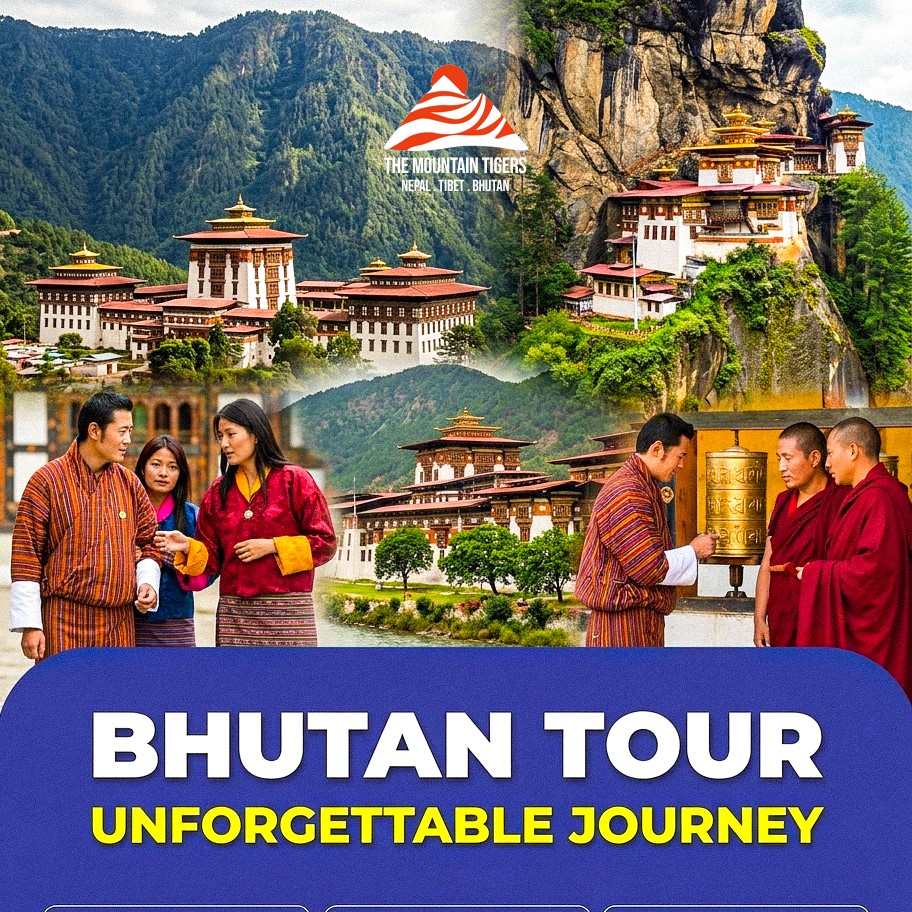
- Bhutan – The Last Himalayan Kingdom: A unique carbon-negative and highly sustainable tourism model home to the iconic Tiger’s Nest Monastery, strong cultural preservation, and a mandatory curated guided travel system.
Together, they form a rare combination of raw alpine adventure, profound spirituality, and unique cultural depth that cannot be replicated anywhere else in the world.

Step 1: Understand Entry Requirements and Permits
Navigating cross-border security policies is the single most critical factor when planning this multi-country circuit:
Nepal Entry Mechanics
Nepal remains the easiest logistical hub for international arrivals. Visas on arrival are available for most nationalities at Tribhuvan International Airport (KTM) in Kathmandu, and no special restricted area permits are required for general touring across the main valley lines.
Tibet Entry Protocols (China Controlled Region)
Tibet requires strict, structured regulation. Travelers must secure a Chinese Visa in coordination with an official Tibet Travel Permit. Independent travel is explicitly prohibited; all travel must be structured as an organized group itinerary managed by a licensed tour operator with an approved itinerary and a mandatory local guide.
Bhutan Entry Regulations
Bhutan maintains its strict "High Value, Low Volume" tourism mandate. Travelers must secure pre-arranged visa clearance and fulfill the mandatory daily Sustainable Development Fee (SDF). Guided tours are completely compulsory across all dzongkhags, executed exclusively through licensed operators.
Step 2 & 3: Route Strategies and Tour Durations
The Recommended Circuit Flow
The most efficient and optimized cross-border pipeline for a comprehensive circuit tour in 2026 is:
Option 1: Nepal → Tibet → Bhutan (Most Recommended)
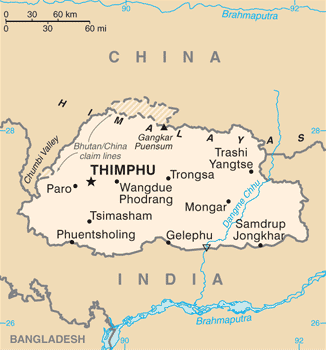
Arrive via Kathmandu for base acclimatization and valley sightseeing. Fly or drive across the trans-Himalayan border to explore Lhasa and the high plateau monasteries. Return to Kathmandu or transit via connected air corridors to fly directly into Paro International Airport in Bhutan.
Alternative Planning Frameworks:
While Option 2 (Nepal → Bhutan → Tibet) is possible, it demands much more complex visa sequencing. Option 3 is to run focused standalone sub-combinations, such as a specialized *Nepal + Bhutan Luxury Short Circuit* or a *Nepal + Tibet Cultural Mix* depending on your schedule.

Ideal Journey Duration Metrics
Given the rigorous entry checking points and altitude adjustments, time allocations should be structured as follows:
- 14–16 Days: Fast-paced cultural tour highlighting major capital valleys.
- 18–22 Days (Highly Recommended): A balanced experience allowing deep overland exploration and proper physical acclimatization.
- 24–30 Days: Premium luxury immersion covering remote wilderness routes, monastic festivals, and deep valley exploration.
Step 4 & 5: Seasonal Windows and Budget Structures
Aligning seasonal weather windows across three macro-climates is essential for a successful trip:
- March to May (Spring): Exceptional visibility, blooming wild rhododendrons, and colorful spring festivals across Nepal and Bhutan.
- September to November (Autumn – Peak Window): The definitive best season across the entire range. Offers perfectly stable weather patterns, crisp clear skies, and unrivaled mountain panoramic views.
- December to February (Winter): Clear but cold, with freezing temperatures across the high Tibetan plateau and snow accumulation closing off select high passes.
- June to August (Monsoon): Heavy rainfall across lower Nepalese valleys, though partially shielded areas of Tibet remain accessible.
Comprehensive Cost Analysis (2026 Estimates)
Total per-person trip costs scale according to chosen comfort categories, private vs. group allocations, and fluctuating regional regulatory fees:
- Standard Base Option: USD 3,500 – USD 5,500 per traveler.
- Mid-Range Custom Tier: USD 5,500 – USD 8,000 per traveler.
- Luxury Immersive Tier: USD 8,000 – USD 15,000+ per traveler.
Primary cost components include the mandatory Bhutanese SDF daily charges, official regional permit allocations, specific cross-border flight connections, and local private transport services.
Step 6: Country Highlights and Experiences
An overview of the signature experiences waiting for you in each destination:

- Nepal: Exploring the UNESCO World Heritage Sites of the Kathmandu Valley, taking scenic mountain flights around Mount Everest, or going on iconic short treks through the Annapurna foothills.
- Tibet: Stepping inside the grand Jokhang Temple, walking the historic barkhor circuits, and driving across high-altitude mountain passes looking down onto sacred glacial lakes.
- Bhutan: Hiking up the steep mountain trails to the legendary Tiger’s Nest Monastery (Paro Taktsang), touring the massive Punakha Dzong, and experiencing traditional village life.

Step 7: Planning Challenges & Trusted Operations
Planning an independent multi-country tour across these borders presents real challenges: managing complex visa coordination across three distinct government systems, navigating flight dependencies between Kathmandu, Lhasa, and Paro, and adjusting for seasonal weather. This is why travelers rely on trusted regional tour operators.
Why Book With Mountain Tiger Nepal
Mountain Tiger Nepal Pvt. Ltd., established in 2005, is an experienced Himalayan travel operator specializing in seamless multi-country journeys across Nepal, Tibet, and Bhutan.
With over two decades of operational expertise, the company handles all the details on the ground: end-to-end itinerary planning, cross-border visa and permit coordination, experienced multilingual guides, private or group tour arrangements, and custom cultural itineraries designed around your preferences.
Explore Our Dedicated Regional Multi-Country Activities
Select a destination package below to view our curated itineraries and begin planning your customized trip:
Bhutan Expedition Packages
Travel to the last independent Buddhist Kingdom. Explore custom itineraries featuring the Paro, Thimphu, and Punakha valleys.
- Tiger's Nest Permits Included
- SDF Processing Management
- Private Guide & Driver Teams
Tibet Overland Packages
Cross the trans-Himalayan plateau with complete logistical backing. Custom group and private itineraries departures from Kathmandu.
- Tibet Travel Permit Management
- Lhasa & Everest North Base Support
- Acclimatized Itinerary Layouts
