
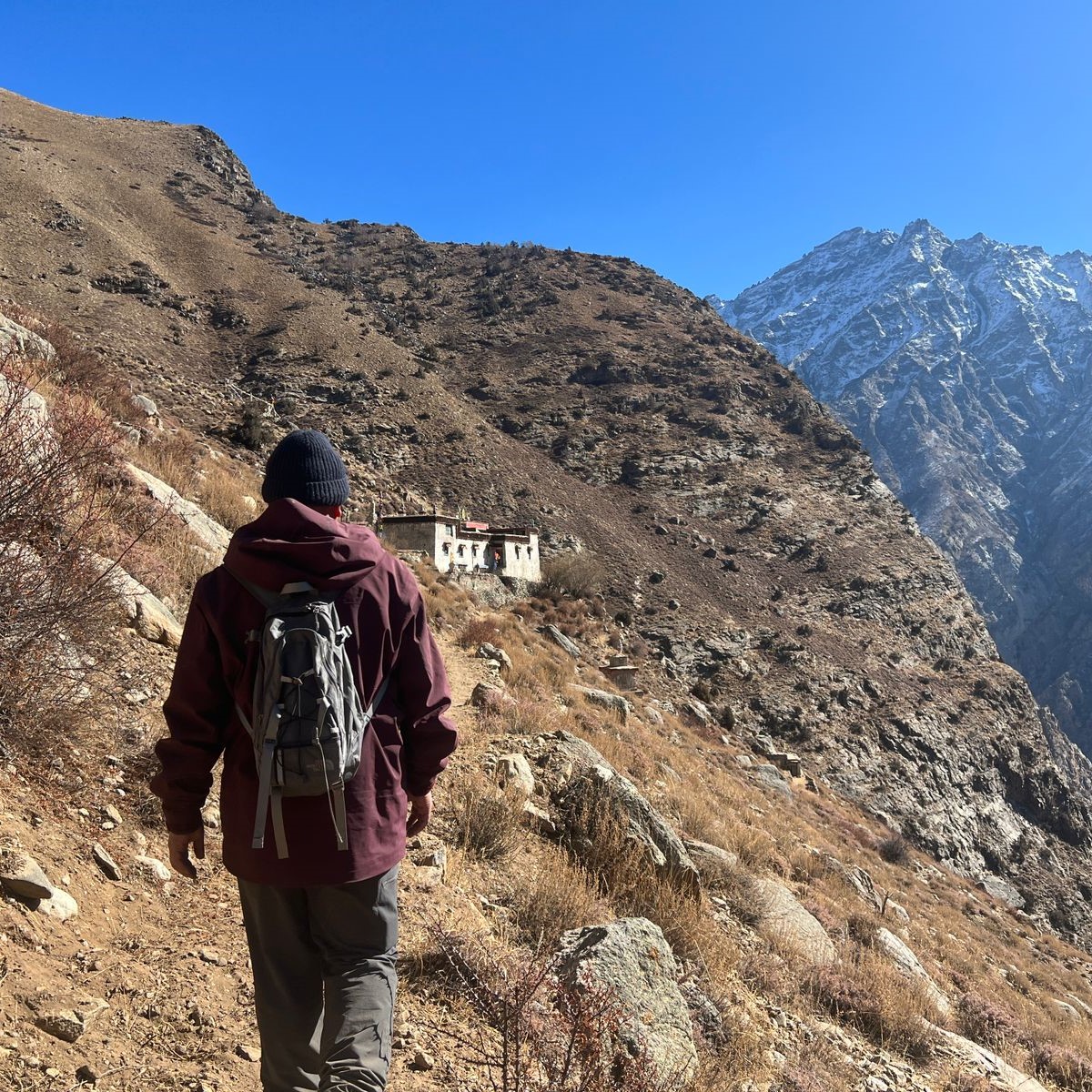
Is Limi Valley Trek Challenging? A Real Story from the Field
The Limi Valley Trek in the remote Humla district of western Nepal is often described as one of the most adventurous and untouched trekking experiences in the Himalayas. But many trekkers ask a simple question before planning the journey: Is the Limi Valley Trek challenging?
The answer is yes — but in the most rewarding way possible.
Unlike commercial trekking routes, Limi Valley is still a raw and authentic Himalayan experience where adventure is part of the journey.
A Real Adventure with Mountain Tiger Nepal
During one of our expeditions organized by Mountain Tiger Nepal, the journey itself became an unforgettable story.
Our team started the road journey using our own expedition vehicle heading toward the remote region of Humla. However, when we reached Pilichaur, the river stream separating the villages had become much stronger than usual due to seasonal flow.
The river crossing was impossible with our standard vehicle.
To continue the journey, we had to switch to a modified local Bolero jeep, specially adapted by locals to cross rough terrain and shallow riverbeds. Crossing that stream was both a challenge and an adventure, reminding us that Limi Valley trekking begins long before the trekking trail itself.
Transporting Equipment the Traditional Way
Once we reached Unapani, the real trekking route began.
At the time of our expedition, there were no proper motorable roads beyond this point. All camping equipment, kitchen supplies, and expedition gear had to be transported using mules and yaks.
This is one of the unique characteristics of the Limi Valley Trek:
modern logistics blend with traditional Himalayan transport systems.
Watching caravans of yaks carrying tents and supplies across the high valley landscape adds a timeless feeling to the journey.
Long Walking Days — But Worth Every Step
Trekkers should expect to walk around 7 to 8 hours per day on most trekking days.
At first this may sound demanding, but the experience of walking through changing landscapes, remote Tibetan-style villages, yak pastures, and ancient monasteries makes the journey incredibly engaging.
Every turn in the hills of Western Nepal reveals something new:
A hidden valley
An ancient chorten
A remote farming village
Snow-covered Himalayan peaks
The beauty of Limi Valley constantly neutralizes the physical challenge.
Drone Restrictions in the Border Region
Even though our team had obtained a drone permit for filming, there was an unexpected administrative challenge.
Due to a notice issued by Tibetan / Chinese authorities to the District Administration Office (DAO), drones were temporarily restricted in the region.
We were required to deposit our drone equipment at the DAO office in Humla before continuing the trek.
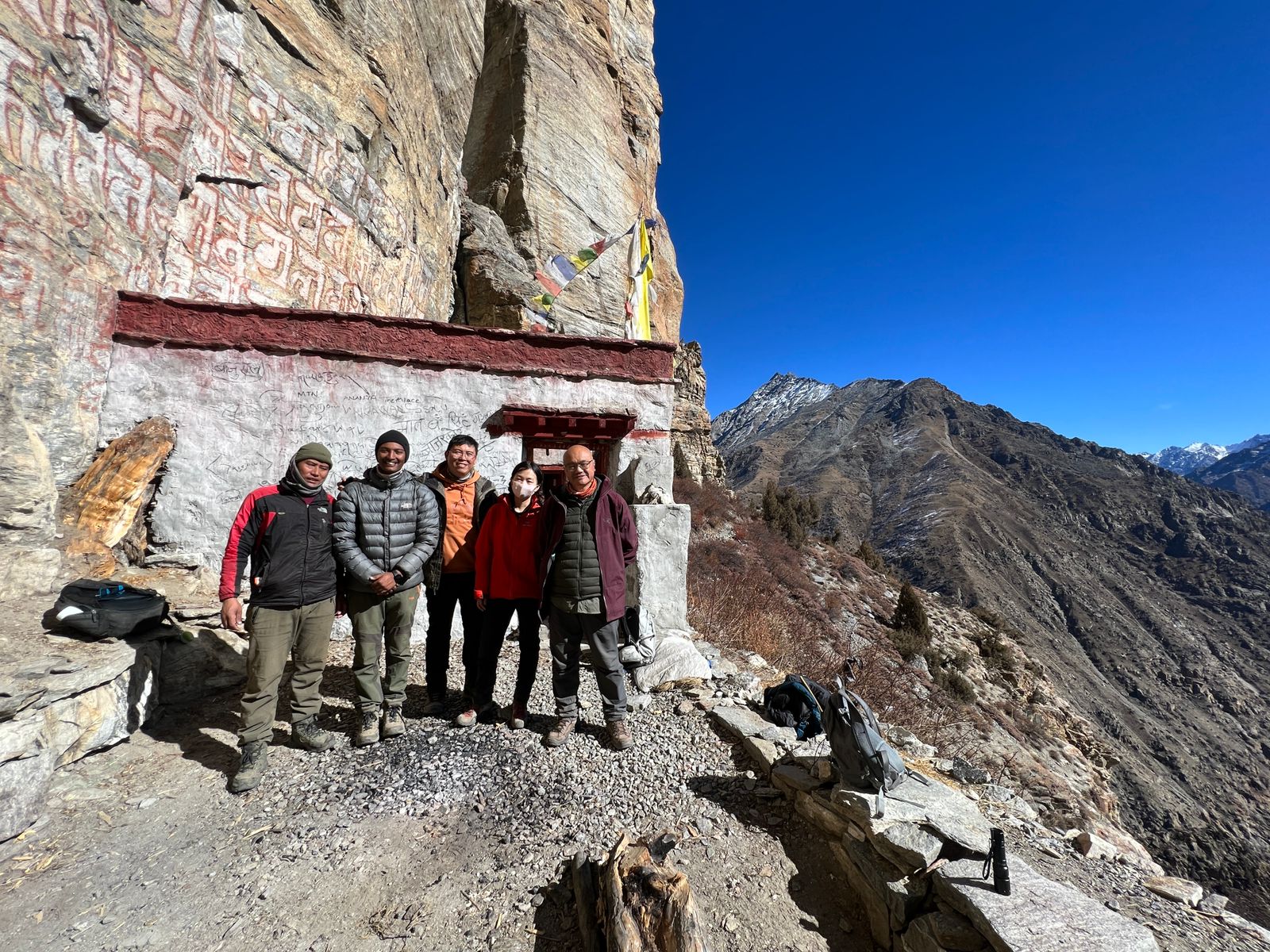
Fortunately, we had already captured important documentary visuals earlier at Haltse (Rinchenling Monastery) — a sacred monastery believed to be over 2,000 years old, reflecting the ancient Nepal–Tibet trade route and spiritual history of the region.
Final Verdict: Is Limi Valley Trek Difficult?
The Limi Valley Trek is best categorized as:
Moderate to Challenging
Not because of technical climbing, but because of:
Remote terrain
Long trekking days
Limited infrastructure
High altitude passes
Camping logistics
But for trekkers seeking authentic Himalayan exploration, this challenge becomes the very reason why Limi Valley is unforgettable.
How to Properly Complete the Limi Valley Trek
Completing the Limi Valley Trek successfully requires preparation, patience, and the support of experienced trekking operators.
Because this trek lies in a restricted and remote Himalayan region, proper planning is essential.
Follow Experienced Trek Leaders
The most important factor in successfully completing the trek is following the guidance of experienced operators like Mountain Tiger Nepal.
Professional guides help manage:
- permits
- logistics
- altitude safety
- local coordination
- camping arrangements
Their local knowledge becomes extremely valuable in such isolated areas.
Essential Trekking Gear
Trekkers should be properly equipped before entering the Humla region. Essential items include:
Clothing
- Moisture-wicking base layers
- Insulated down jacket
- Waterproof trekking jacket
- Trekking pants
- Thermal gloves and hat
Trekking Equipment
- Strong trekking boots with ankle support
- Trekking poles
- Headlamp with extra batteries
- UV-protected sunglasses
- 40–50L trekking backpack
Camping & Expedition Essentials
- High-altitude sleeping bag
- Personal first-aid kit
- Water purification tablets
- Power bank and spare batteries
- Energy snacks and hydration system
- Since most sections of Limi Valley require camping, the expedition team typically carries tents, kitchen supplies, and logistics using mules or yaks.
Prepare for Long Walking Days
Trekkers should be physically ready for daily walks of around 6–8 hours.
Regular training before the trek such as:
- hiking
- cardio workouts
- stair climbing
- endurance training
- will make the journey much more enjoyable.
Respect Local Culture
Limi Valley is home to ancient Tibetan Buddhist communities.
Visitors should respect:
- monasteries
- religious practices
- local customs
- sacred sites
- Places like Halji village and Rinchenling Monastery represent centuries of cultural heritage.
Travel with Patience
Infrastructure in remote Humla is still developing.
Unexpected situations like:
- weather delays
- river crossings
- administrative checks
- logistical adjustments
- are part of the adventure.
- Those who travel with patience often end up having the most memorable journeys.
