
Is the Annapurna Circuit Ruined by Roads? (2026 Update)
For decades, the Annapurna Circuit was considered one of the world’s greatest long-distance trekking journeys that circled the Annapurna massif through deep river gorges, remote villages, and high Himalayan passes.
But with road construction steadily expanding through the region, a common question now arises among trekkers planning for 2026: Is the Annapurna Circuit ruined by roads?
The honest answer is nuanced.
The Annapurna Circuit has changed but it is not ruined. What has shifted is the nature of the experience, not its value.
How Roads Have Changed the Annapurna Circuit
Road development began as a necessity for local communities, improving access to healthcare, trade, and education. Over time, these roads extended along sections of the original trekking trail, particularly in the lower and mid-sections of the circuit.
Today, vehicles can reach areas that once took days of walking. As a result:
- Some lower sections follow jeep roads rather than traditional footpaths
- Dust and vehicle traffic are present in certain valleys
- Many trekkers now shorten the circuit by driving portions of the route
For trekkers expecting a completely road-free wilderness walk from start to finish, these changes can feel disappointing.
What Has Not Changed
Despite the roads, the heart of the Annapurna Circuit remains intact.
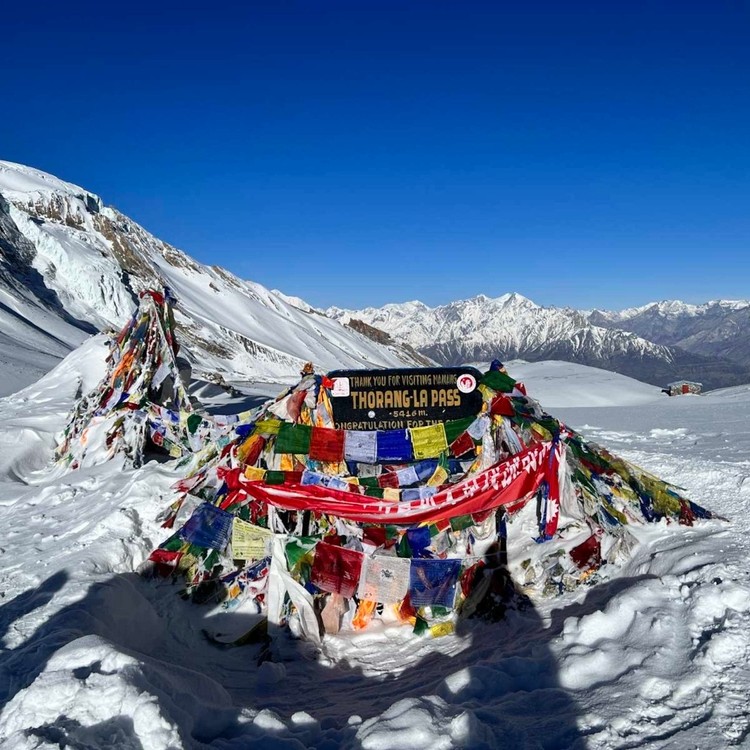
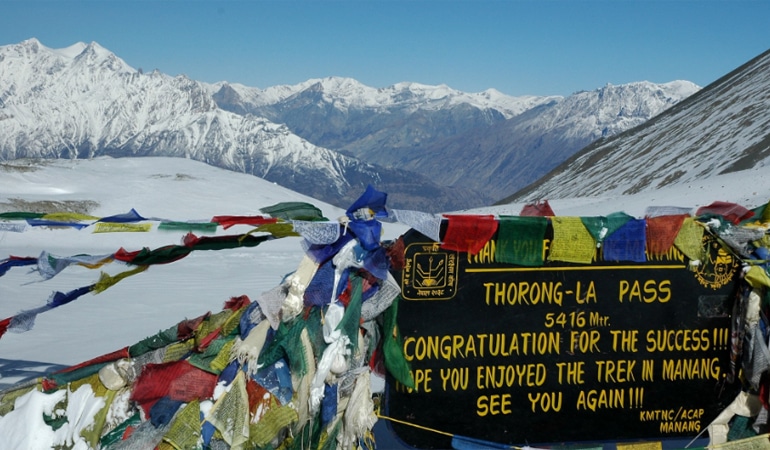
The dramatic shift in landscapes, the cultural richness of mountain villages, and the high-altitude grandeur are still very much alive. The upper sections of the trek particularly around Manang, Thorong La Pass, and the trans-Himalayan terrain toward Muktinath retain the raw, powerful beauty that made the circuit legendary.
Above the road corridors, the mountains dominate the experience. Peaks such as Annapurna I, Dhaulagiri, and Gangapurna still rise dramatically over the trail, unchanged by modern infrastructure.
The Rise of Alternative Trails
One of the most important developments in recent years has been the creation and revival of high-route alternatives.
These trails climb above the road and reconnect trekkers with the classic Annapurna Circuit experience. Routes via Upper Pisang, Ghyaru, Ngawal, and other high villages offer:
- Quieter footpaths
- Better mountain views
- Authentic village encounters
- Minimal vehicle disturbance
With thoughtful planning, trekkers can still walk long, scenic sections that feel remote and timeless.
Who Will Still Love the Annapurna Circuit in 2026?
The Annapurna Circuit remains an outstanding trek for:
- Trekkers who value scenic diversity over complete isolation
- Travelers interested in culture, villages, and living mountain communities
- Those who appreciate flexibility, with options to walk or drive certain sections
- Long-distance trekkers seeking a classic Himalayan crossing via Thorong La
However, trekkers seeking a fully untouched, road-free wilderness may prefer more remote routes such as Nar–Phu, Upper Dolpo, or Kanchenjunga.
Is the Annapurna Circuit Still Worth It?
Yes without question.
The Annapurna Circuit today is not the same trek it was in the 1980s or 1990s. But it has evolved rather than declined.
It remains one of the few treks in the world where you can:
- Walk from subtropical valleys to high alpine deserts
- Cross a Himalayan pass over 5,400 meters
- Experience multiple ethnic cultures in a single journey
- Choose between comfort, challenge, or a blend of both
The key is walking the right sections, not blindly following the road.
Final Verdict (2026)
The Annapurna Circuit is not ruined by roads, it is redefined.
For trekkers who understand its modern reality and plan intelligently, the circuit still delivers one of Nepal’s most rewarding long-distance trekking experiences.
The mountains are unchanged. The culture is alive.
Only the approach has evolved.
