
Is the Annapurna Sanctuary Really a "Sacred" Place?
The Annapurna Sanctuary, a high-altitude glacial basin nestled in the heart of the Annapurna Massif, is widely regarded as one of Nepal’s most iconic trekking destinations. Beyond its breathtaking panoramic views of 8,000-meter peaks and diverse alpine landscapes, many trekkers and locals alike describe the sanctuary as “sacred.” But what does that really mean? Is it spiritual reverence, natural awe, or a blend of both?
1. The Spiritual Significance
For centuries, the Annapurna region has been home to Hindu and Buddhist communities, whose traditions infuse the landscape with spiritual meaning:
- Hindu reverence: The name “Annapurna” translates to “Goddess of Harvest and Nourishment” in Sanskrit. Locals consider the mountains sacred and believe that respecting the environment ensures bountiful harvests and protection.
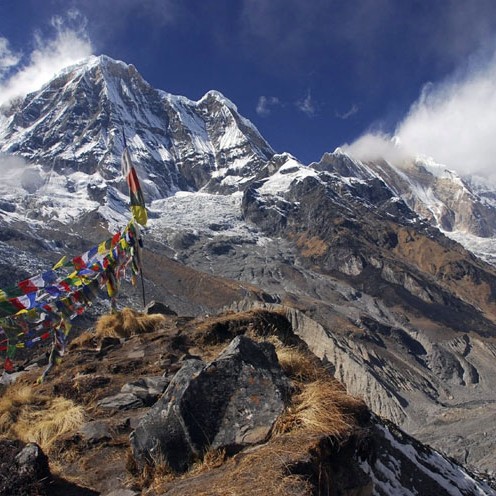
- Buddhist influence: Mani stones, prayer flags, and small stupas dot the trails, reflecting Tibetan Buddhist practices that honor the mountains and nature spirits.
This combination of spiritual beliefs lends the sanctuary an aura of sacredness beyond mere aesthetics.
2. Natural Awe as a Form of Sacredness
Even for trekkers who are not religious, the Annapurna Sanctuary inspires a sense of reverence:
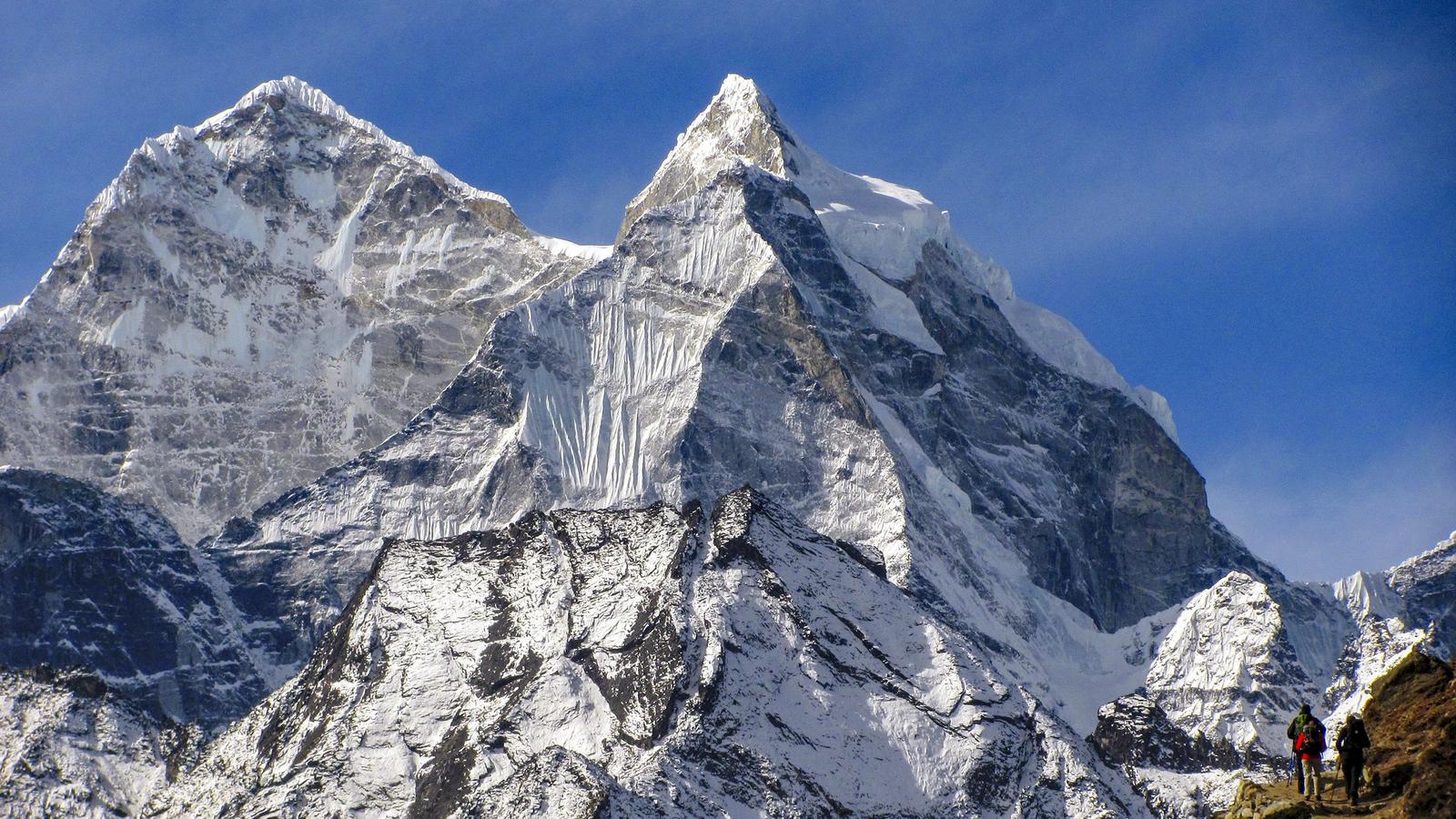
- Glacial landscapes and high peaks: Surrounded by towering mountains, including Annapurna I (8,091m), Machapuchare (Fishtail), and Hiunchuli, the sanctuary feels like a natural cathedral.
- Flora and fauna: Rare alpine plants, Himalayan monal birds, and snow leopards contribute to the sanctuary’s untouched, mystical atmosphere.
- Seasonal transformations: Spring rhododendron blooms and winter snowfields evoke awe, enhancing the perception of sacredness.
For many, this is a spiritual experience rooted in connection with nature rather than religious doctrine.
3. Local Practices That Reinforce Sacredness
Trekkers entering the sanctuary often notice rituals and customs that reinforce its sacred reputation:
- Prayer flags at high passes: Locals and trekkers hang flags to honor the mountains and bring blessings for safe travel.
- Offerings at shrines: Small shrines at village entrances or near streams remind visitors of traditional beliefs.
- Guided narratives: Sherpa and Gurung guides often share legends, myths, and ancestral stories tied to the peaks, connecting trekkers to local cosmology.
These practices create a living cultural context, blending spirituality with everyday Himalayan life.
4. Balancing Sacredness and Tourism
While tourism brings economic benefits, it also poses challenges:
- Environmental impact: Littering, unsustainable trekking practices, and overuse of trails can diminish the sanctuary’s pristine aura.
- Cultural dilution: Excessive commercialization risks reducing traditional rituals to tourist spectacles.
Respecting local customs, following Leave No Trace principles, and supporting responsible tourism help maintain both the sanctuary’s sacred atmosphere and its ecological integrity.
Conclusion
So, is the Annapurna Sanctuary really a sacred place?
Yes though “sacredness” comes from both spiritual tradition and natural awe. Whether through Hindu and Buddhist reverence, local legends, or the sheer majesty of the mountains, the sanctuary inspires respect, wonder, and reflection. For trekkers, this combination of cultural depth and alpine beauty makes the Annapurna Sanctuary more than just a hiking destination; it's a place where nature and spirituality converge.
