Machhapuchhre (Fishtail): The Story of the Mountain You Can’t Climb
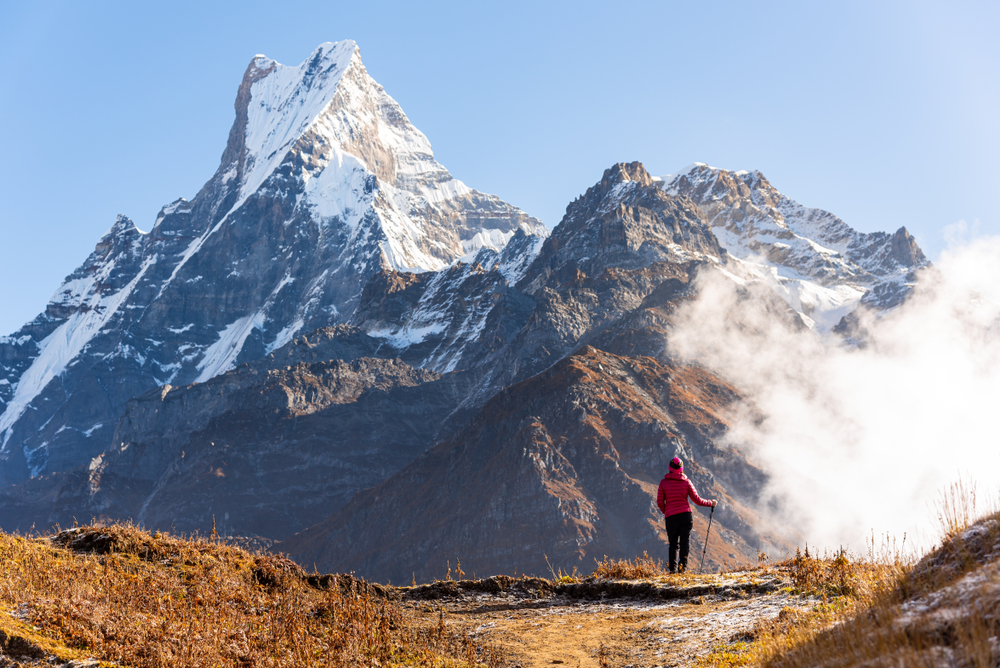
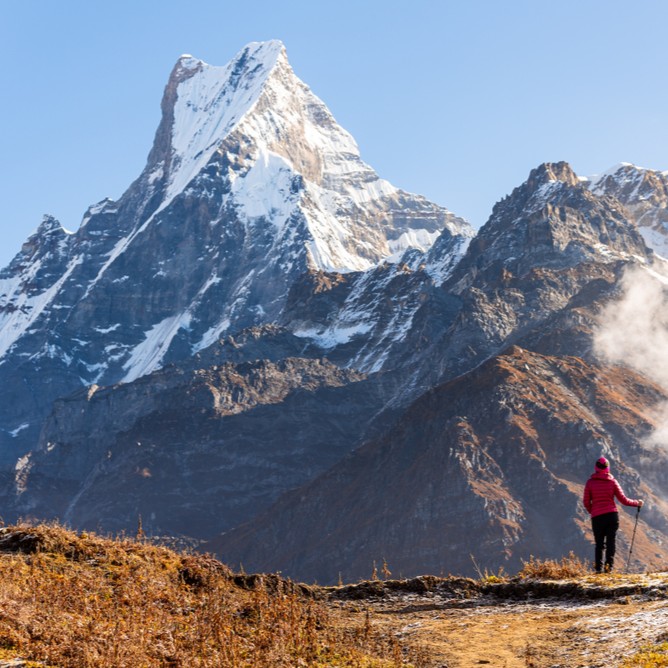
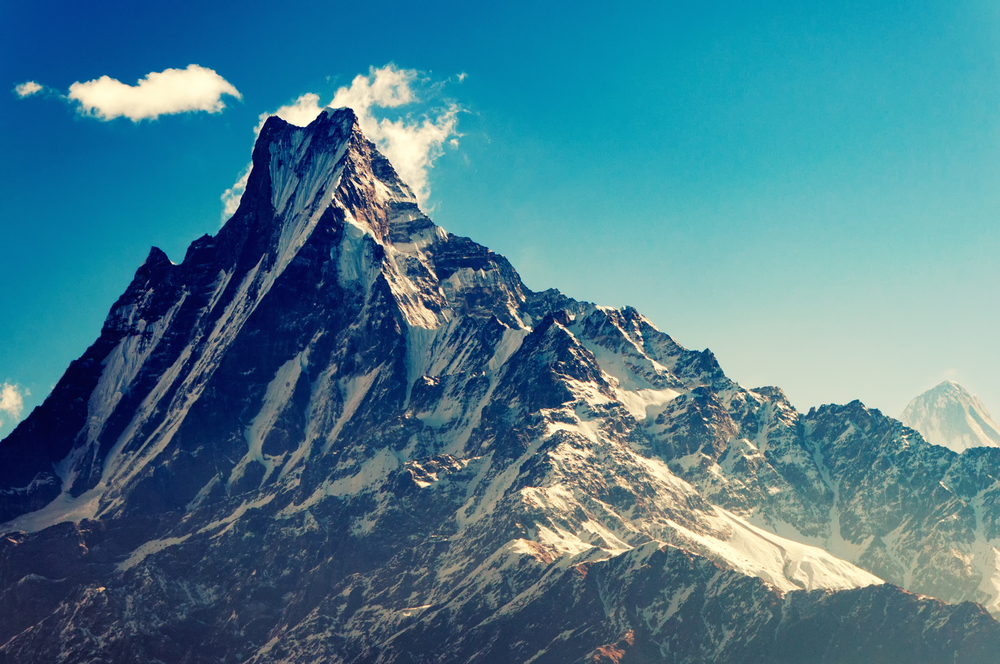
Nestled in the heart of the Annapurna region, Machhapuchhre, or Fishtail Mountain, rises dramatically to 6,993 meters, its twin summits slicing the sky like a pointed tail. For trekkers approaching Annapurna Base Camp, the mountain dominates the horizon, a magnetic, untouchable presence.
But there’s a secret about Machhapuchhre that makes it unlike any other Himalayan peak: it has never been officially climbed.
A Sacred Peak
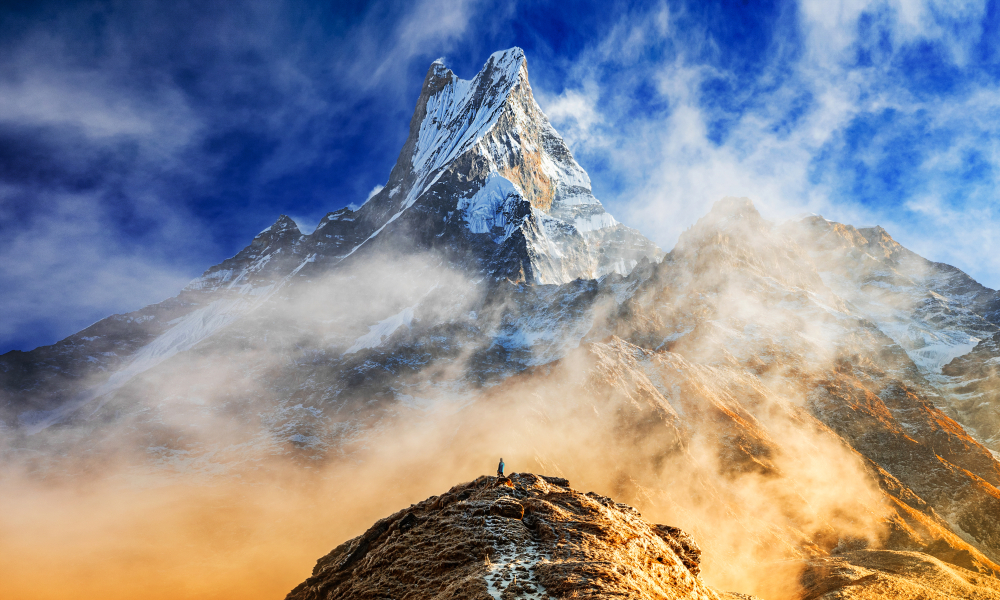
The local Gurung community considers Machhapuchhre sacred. The mountain is believed to be the home of local deities, and for centuries, villagers have respected its sanctity.
- Climbing is forbidden: In 1957, when a British expedition attempted the summit, they stopped just 150 meters short out of respect.
- Protected by law: Today, the Nepali government officially prohibits climbing, preserving both its spiritual significance and natural beauty.
This combination of cultural reverence and legal protection makes Machhapuchhre one of the few major unclimbed peaks in the world.
The Mountain That Shapes the Annapurna Experience
Though unclimbed, Machhapuchhre plays a starring role in the Annapurna trekking landscape:
- Visual anchor: Its sharp, symmetrical peak dominates photographs, especially from ABC, Chhomrong, and Poon Hill.
- Navigation landmark: Trekkers often use it as a reference while moving through the sanctuary and surrounding valleys.
- Cultural symbol: Local festivals and rituals pay homage to the mountain, integrating it into the life of communities along the trail.
For trekkers, Machhapuchhre isn’t just a mountain, it's a guardian of the Annapurna Sanctuary, looming silently over every step of the journey.
Why It Captivates Trekkers
- The Unattainable: Few mountains evoke curiosity like one you cannot climb. Its untouched snowfields and jagged ridges spark imagination and respect.
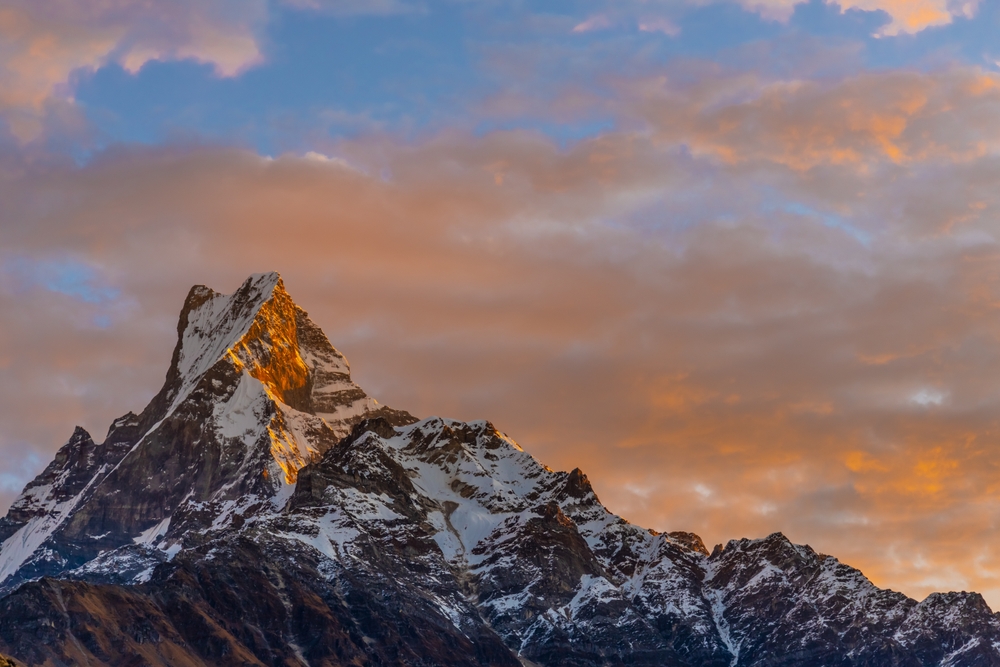
- Dramatic Sunrises and Sunsets: Viewed from ABC or Machhapuchhre Base Camp, the mountain glows with golden hues in the early morning and deep purples at dusk.
- Photography Dream: The symmetrical, almost sculpted peak makes for iconic Himalayan photography.
Even without standing atop it, trekkers feel a profound connection to Machhapuchhre. Its presence shapes the journey, the photographs, and the stories you carry home.
Lessons from the Mountain You Can’t Climb
Machhapuchhre reminds us that not all mountains are meant to be conquered. Some exist to inspire, challenge, and humble those who approach them:
- Respecting local beliefs and traditions preserves culture.
- Admiring without summiting can be as rewarding as reaching a peak.
- Nature’s grandeur doesn’t need to be “ticked off” a checklist to leave a lasting impact.
Final Thoughts
For every Annapurna trekker, Machhapuchhre is more than a backdrop; it's a central character in the Himalayan story. Its unclimbed summits, sacred status, and breathtaking views create a sense of mystery and reverence.
Trekking in its shadow teaches a rare lesson: some peaks are meant to be admired, not conquered. And in that respect, Machhapuchhre is a mountain that truly captures the imagination of all who journey to Annapurna Base Camp.