
Nepal Flood 2026: Global Solidarity, Relief & Hope
When Humanity Crosses Borders: Nepal Receives Help After the Rasuwa Flood Disaster
First, Nepal Is Grieving
Nepal is still trying to comprehend the scale of the tragedy that unfolded on 26 August 2026.
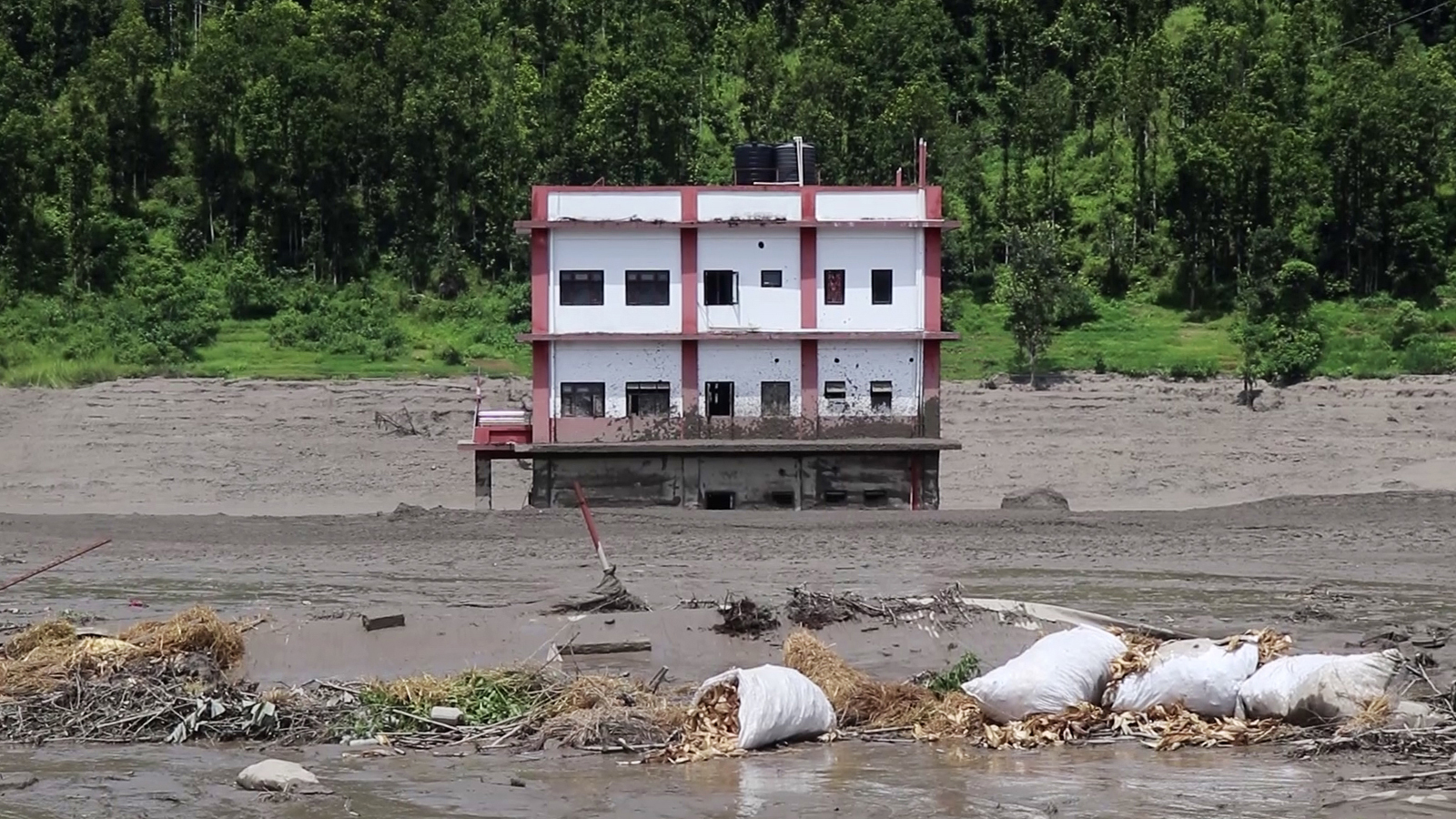
A sudden and devastating flash flood swept through the Bhote Koshi–Trishuli river system after a catastrophic high-Himalayan ice, rock and debris collapse. Rasuwa, Nuwakot and downstream districts were struck with extraordinary force. Homes, roads, bridges, hydropower infrastructure, businesses and entire settlements were damaged or swept away.
Most painfully, people were lost.
Many families are still waiting for news of their loved ones. Rescue teams continue to search. Bodies are still being recovered from downstream areas. Communications and access remain difficult in some of the worst-hit places.
We have already written in greater detail about what happened, the possible causes and what may follow in our earlier article: Rasuwa–Nuwakot Flood 2026: What Caused It and What Happens Next. That article looks more closely at the disaster itself.
This article is about something different. It is about what happens after the first shock — and how people come together when lives need to be saved.
The First Priority Is No Longer Counting the Damage
The destruction is already here.
Roads can be rebuilt. Bridges can be reconstructed. Homes can eventually be replaced. But a life cannot.
That is why, at this moment, the priority is not simply to measure the economic loss or discuss how quickly infrastructure can be restored.
- Find those who may still be alive.
- Bring them to safety.
- Feed those who have lost their homes.
- Provide medical care and temporary shelter.
- Recover those who did not survive.
- Help communities through the first difficult days.
The response from Nepal's government, security agencies, local communities, medical workers, volunteers and humanitarian organisations has therefore been focused increasingly on rescue, evacuation, relief and recovery.
Home Minister Sudan Gurung, who has been involved in coordinating the response, has emphasised the immediate humanitarian priorities: getting people out of danger, supporting those displaced, arranging food and essential supplies, and continuing search-and-rescue operations.
The message emerging from the response is not complicated: There has already been a terrible loss. Now every possible effort must be made to save those who can still be saved.
The Helicopters, Boats, Boots and Hands Behind the Rescue
When a disaster happens in a remote Himalayan valley, rescue is not as simple as reaching a location by road.
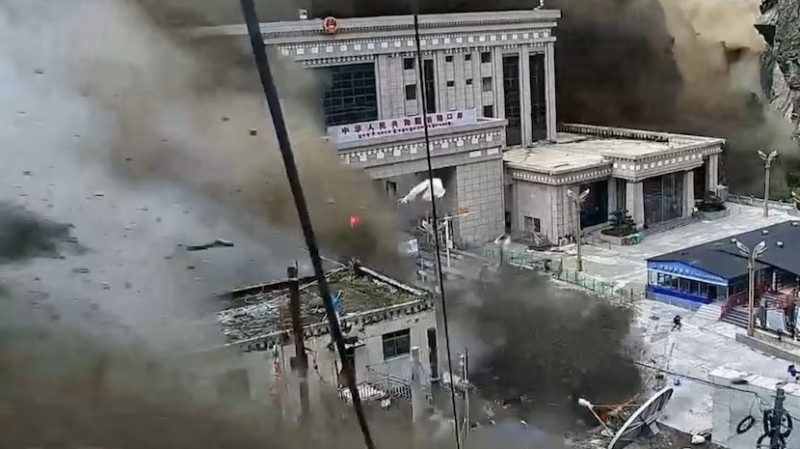
In many places, the roads themselves have disappeared. Bridges have been washed away. Communications have been interrupted. Weather has affected helicopter operations. Mud and debris have made access extremely difficult. Yet people have continued going in.
The Nepali Army, Nepal Police and Armed Police Force have been heavily involved in search, rescue and evacuation operations. Helicopters have been used to reach isolated communities, evacuate injured people and transport emergency supplies.
Hospitals in affected districts and Kathmandu have been placed on alert. Medical workers have been mobilised. Local governments, elected representatives, civil servants and emergency teams have been working to identify affected families and coordinate assistance.
And alongside the formal response are thousands of people whose names may never appear in international headlines: local residents helping neighbours, drivers transporting supplies, hotel owners providing shelter, health workers treating strangers, volunteers carrying food, young people organising collections, communities opening their doors and families searching together.
From India: 37.5 Tonnes More Than Relief
On 27 August, India sent a second relief flight to Nepal carrying 37.5 tonnes of humanitarian assistance and disaster-relief material, medicines and food packets.
This followed an earlier shipment of 10 tonnes, meaning India had dispatched 47.5 tonnes of relief material within two days.
The assistance is practical: supplies that can help people who have lost homes, access to basic services and, in many cases, the certainty of knowing where their loved ones are.
But beyond the weight of the cargo is something harder to measure: Solidarity. A neighbouring country responding when another neighbour is hurting.
India's response included emergency shelter materials, blankets, hygiene supplies, solar lamps and medicines in its initial consignment, with further relief following. For Nepal, this is not simply about tonnes of material arriving at an airport. It is a reminder that, in moments of tragedy, borders become less important than people.
Connected Beyond Borders
Two countries, separated by a border, but connected by generations of people, families, journeys, faith, culture and friendship.
And India Is Not Alone
The response to the disaster has extended far beyond Nepal's immediate neighbours.
- China: Offered emergency assistance, including supplies and financial support, while Chinese authorities have also been conducting search-and-rescue efforts on the Tibet side of the disaster.
- United States: Offered financial assistance and disaster-response support.
- World Bank: Indicated that significant emergency financing could be mobilised to support rescue, relief and reconstruction.
- European Union: Expressed readiness to provide further assistance.
- IFRC: The International Federation of Red Cross and Red Crescent Societies released emergency funding to support the Nepal Red Cross response.
- World Health Organization (WHO): Mobilised essential medical supplies and multipurpose tents while working directly with Nepal's health authorities.
- United Nations: Offered full support to the Nepal-led humanitarian response.
- International Community: Governments around the world — including Australia, the United Kingdom, Canada, Bangladesh, South Korea and others — have expressed condolences, concern and willingness to support affected communities and their citizens.
Some countries are helping through supplies. Some through funding. Some through technical expertise. Some through rescue coordination. Some through consular assistance to their citizens. And some simply by standing with Nepal in words at a moment when words matter.
The Nepal Red Cross: Help Where It Is Needed
Among the organisations working directly with affected communities is the Nepal Red Cross Society. Its teams and volunteers have been involved in evacuation, emergency assistance and distribution of essential materials.
Relief at this stage is not only about food. People need drinking water, temporary shelter, blankets, sleeping materials, first-aid supplies, medicines, hygiene materials, clothing, psychological support, and assistance for children, older people and vulnerable families.
And after the immediate emergency comes another enormous challenge: rebuilding lives.
We Must Remember Those Who Did Not Come Home
In the rush to talk about rescue numbers, aid shipments and infrastructure damage, there is a danger that the individual human stories become statistics. They should not.
Every person lost was someone's mother, father, son, daughter, brother, sister, husband, wife, friend, colleague or neighbour.
Among those affected are Nepali families who lost everything. There are also foreign travellers and pilgrims whose families are waiting anxiously for information. People came to this region for different reasons — pilgrimage, trekking, work, trade, tourism or simply because it was home. The disaster did not distinguish between them. Neither should our compassion.
Our deepest condolences go to every family that has lost someone. And for those still missing, the hope remains that more people can be found alive.
The Search Must Continue
The next hours and days remain critical. Finding survivors is still the priority.
But search teams also have another difficult responsibility: locating and identifying those who have died so that families can receive answers and, wherever possible, bring their loved ones home with dignity.
This is an emotionally difficult part of disaster response. It requires patience, identification, documentation and respect for families. It is not simply about recovering bodies. It is about returning certainty to people who have been left waiting.
Temporary Shelter Is More Than a Roof
For someone who has lost a house overnight, a temporary shelter is not merely a tent. It is a place to sleep. A place for children to feel safe. A place where a family can stay together. A place where food can be distributed. A place where medical workers can reach people. A place where someone can begin to think about tomorrow.
That is why the arrival of emergency shelters, blankets, medicines, food and hygiene supplies is so important. The immediate humanitarian response should focus on restoring the most basic sense of security possible: water, food, warmth, shelter, medicine and human dignity.
To Everyone Who Has Helped Nepal
There is no single hero in a disaster of this scale. There are thousands.
To every one of them: Thank you.
This Is Not About Politics
At a moment like this, there is little value in turning humanitarian assistance into a political argument. Aid should first be seen for what it is: people helping people.
India sending relief. China supporting the response. The United States contributing assistance. The World Bank preparing emergency financing. The EU offering support. The UN and WHO working alongside Nepal. The Red Cross mobilising resources. Countries helping their citizens. And Nepalis helping Nepalis.
These are not competing stories. They are parts of one larger story: humanity responding to suffering.
Nepal Will Need Help Beyond the First Week
The cameras will eventually leave. The headlines will eventually move elsewhere. The emergency flights will eventually stop. But for affected families, the crisis will continue.
There will be homes to rebuild, schools to restore, roads and bridges to reconstruct, livelihoods to recover, businesses to reopen, communities to reconnect, and people who will need psychological and social support long after the physical debris has been cleared.
The first phase is rescue. The second is relief. Then comes recovery. And eventually, reconstruction. Nepal will need solidarity through all four.
From Mountain Tiger Nepal
We are a tourism company. Our work is normally about welcoming people to Nepal — showing them our mountains, heritage, villages, cultures and communities. Today, however, tourism is not the most important story. People are.
We mourn those who lost their lives. We stand with families waiting for news. We hope for the safe recovery of those still missing. We are grateful to the rescuers working in difficult conditions. And we are deeply thankful to every individual, organisation and country extending a hand towards Nepal.
Save lives first. Shelter the displaced. Feed the hungry. Treat the injured. Find the missing. Recover the lost with dignity. Then rebuild.
Nepal has endured devastating moments before. We have seen how communities come together after earthquakes, floods, landslides and other disasters. This tragedy will leave scars. But it will also remind us of something important: When people stand together, no border is high enough to keep compassion out.
India 🇮🇳 🤝 Nepal 🇳🇵
And to every country, organisation, responder, volunteer and individual standing with Nepal — thank you.
Mountain Tiger Nepal Pvt. Ltd.
Nepal Destination Management Company | Tours • Treks • Expeditions • Responsible Travel
We remain committed to responsible tourism and to providing travellers with honest, practical information about conditions in Nepal. For current travel information, route assessments or assistance with existing travel plans, travellers are encouraged to contact our team before travelling into affected regions.
- Website: Mountain Tiger Nepal
- Email: info@mountaintigernepal.com
- Sales: sales@mountaintigernepal.com
