
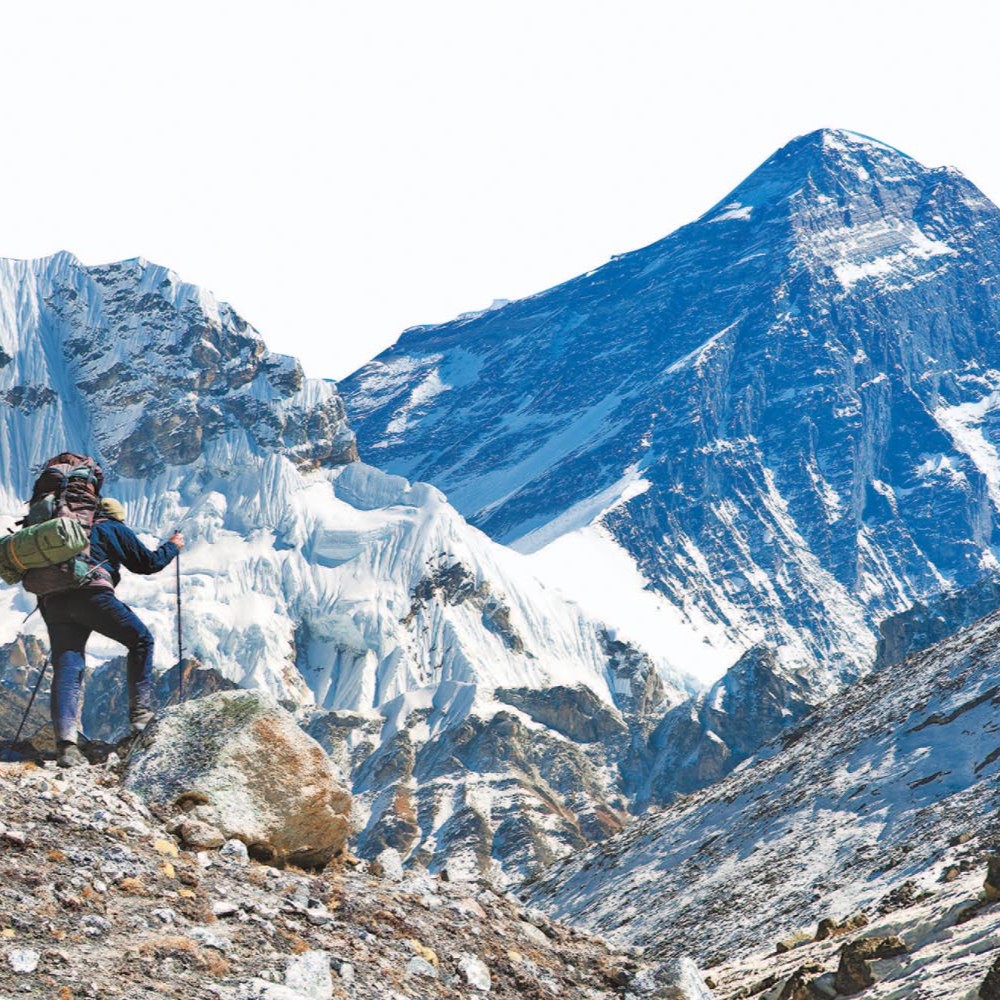
Nepal Officially Recognises 14 Mountains Above 8,000 Metres, Redefining the World of High-Altitude Mountaineering
For decades, Nepal has been celebrated as the heartland of the world’s highest mountains, officially home to eight of the planet’s fourteen recognised eight-thousanders. That long-standing figure, however, is now poised for a historic revision. The Government of Nepal has officially updated its national peak profile, recognising 14 mountains within its territory that rise above 8,000 metres, a dramatic increase that could reshape global mountaineering records pending international approval.
The revised list, recently published by the Department of Tourism, adds six new peaks to Nepal’s official count, marking a major milestone in Himalayan research, cartography, and mountaineering policy.
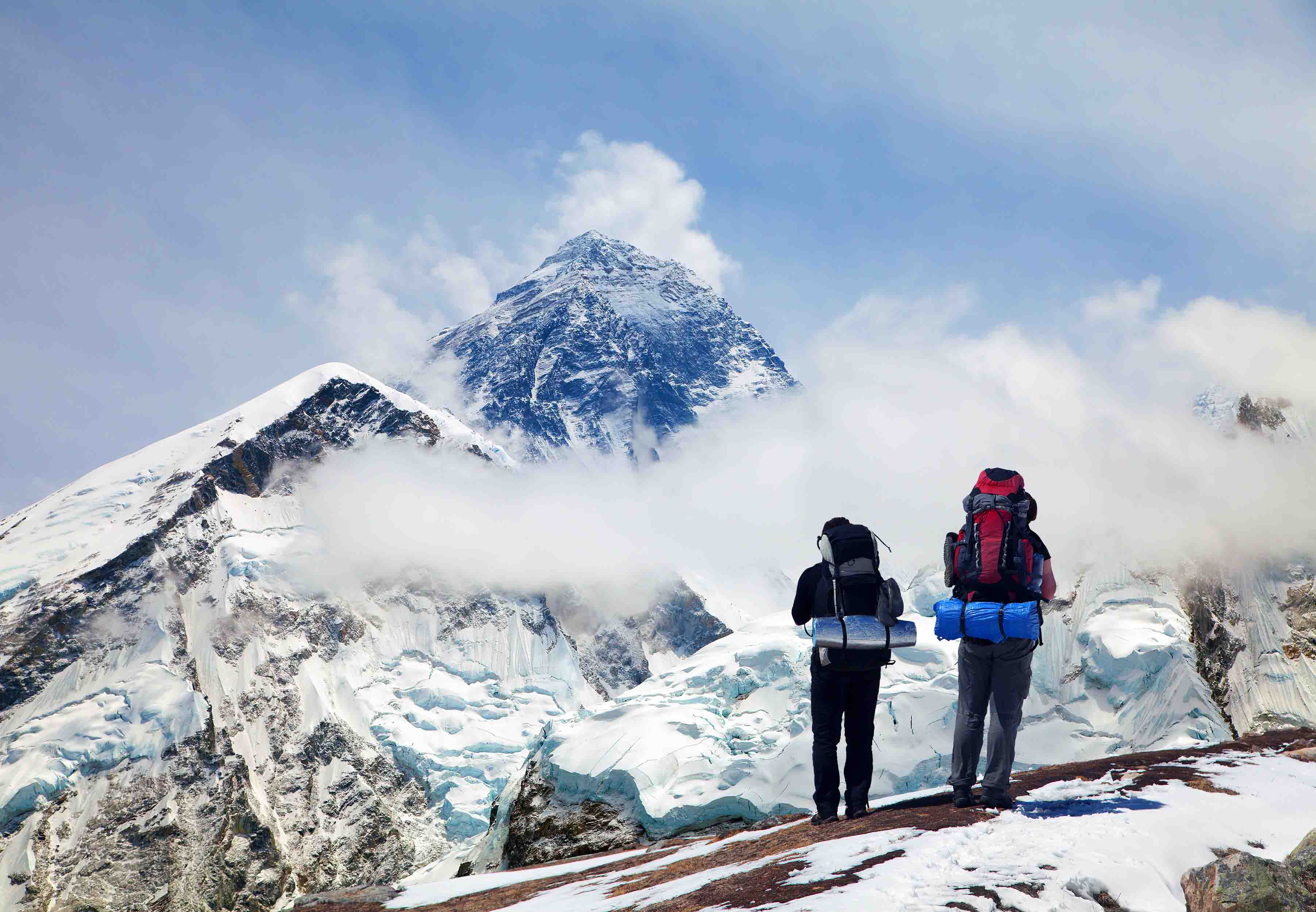
Nepal’s Newly Recognised Eight-Thousanders: What’s Been Added?
The six newly identified mountains exceeding 8,000 metres are located within two iconic Himalayan massifs: Kanchenjunga and Lhotse.
Newly Recognised Peaks in the Kanchenjunga Range
- Yalung Khang – 8,505 metres
- Yalung Khang West – 8,077 metres
- Kanchenjunga Central – 8,473 metres
- Kanchenjunga South – 8,476 metres
Newly Recognised Peaks in the Lhotse Range
- Lhotse Middle – 8,410 metres
- Lhotse Shar – 8,400 metres
With these additions, Nepal’s official tally of mountains over 8,000 metres rises from eight to fourteen, making it by far the most dominant nation in the ultra-high-altitude category.
The Globally Recognised Eight-Thousanders in Nepal (So Far)
Until now, the internationally accepted list of Nepal’s eight-thousanders has included:
- Mount Everest – 8,848.86 m
- Kanchenjunga – 8,586 m
- Lhotse – 8,516 m
- Makalu – 8,463 m
- Cho Oyu – 8,201 m
- Dhaulagiri – 8,167 m
- Manaslu – 8,163 m
- Annapurna I – 8,091 m
Globally, other eight-thousanders lie in Pakistan K2, Nanga Parbat, Gasherbrum I & II, Broad Peak and China, with Shishapangma.
Why UIAA Approval Is Crucial for Global Recognition
Despite Nepal’s official endorsement, international recognition depends on approval from the UIAA (International Mountaineering and Climbing Federation)—the global authority recognised by the International Olympic Committee.
According to Narayan Prasad Regmi, Director General of the Department of Tourism, the newly published list represents a “preliminary national claim.”
“Our next step is to propose the updated list to the UIAA for official recognition,” Regmi stated, adding that GIS verification and technical documentation are currently being finalized.
Once approved by Nepal’s Cabinet, the documentation will be formally presented on international platforms.
A Decade-Long Scientific and Technical Effort
The recognition of these six peaks is the result of more than ten years of research, mapping, and inter-agency collaboration.
- 2013: A 10-member committee led by Purna Chandra Bhattarai submitted a 113-page report recommending the inclusion of six new eight-thousanders.
- 2014: A peak profile subcommittee was formed under the Department of Tourism.
- 2018: The committee was reconstituted and supported by a technical working group chaired by renowned boundary expert Buddhi Narayan Shrestha, former Director General of the Survey Department.
The group worked extensively on GIS data, col distances, independent climbing routes, and geographic verification, aligning with international mountaineering standards.
What Defines a Separate Mountain?
One of the central controversies in recognising new eight-thousanders is whether multiple summits within the same massif qualify as independent mountains.
According to Ang Tshering Sherpa, former president of the Nepal Mountaineering Association (NMA):
- A peak is considered separate if the col (lowest saddle) between summits is at least 500 metres, and
- The peak has a distinct climbing route not shared with another mountain.
These criteria form the backbone of Nepal’s claim.
Implications for Nepal’s Mountaineering and Tourism Industry
The potential international recognition of six additional eight-thousanders carries significant economic and strategic implications for Nepal.
In 2023 alone, Nepal issued over 2,500 climbing permits, generating approximately Rs850 million in revenue. Recognition of additional eight-thousanders could:
- Attract elite climbers seeking new world records
- Diversify expeditions beyond Everest and traditional peaks
- Increase high-value mountaineering tourism
- Strengthen Nepal’s dominance in global alpine exploration
A joint government–NMA study shows Nepal has 3,310 peaks above 5,500 metres, with 1,913 requiring technical mountaineering gear, though only 468 peaks are currently open for commercial expeditions.
Nepal’s Claim: Science, Geography, and National Confidence
Boundary expert Buddhi Narayan Shrestha has long maintained that the science is clear:
“It’s a proven fact that we have 14 mountains above 8,000 metres. Various studies have confirmed it. The government needs to speak.”
With the revised peak profile now public, Nepal appears ready to make that statement firmly and globally.
A Defining Moment for Himalayan History
If the UIAA grants official recognition, Nepal will not only rewrite mountaineering statistics but reshape the narrative of the Himalayas themselves.
More than national pride, this move underscores Nepal’s role as the epicentre of the world’s highest geography, backed by science, documentation, and decades of research.
The mountains have always stood there.
Now, the world may finally count them all.
