
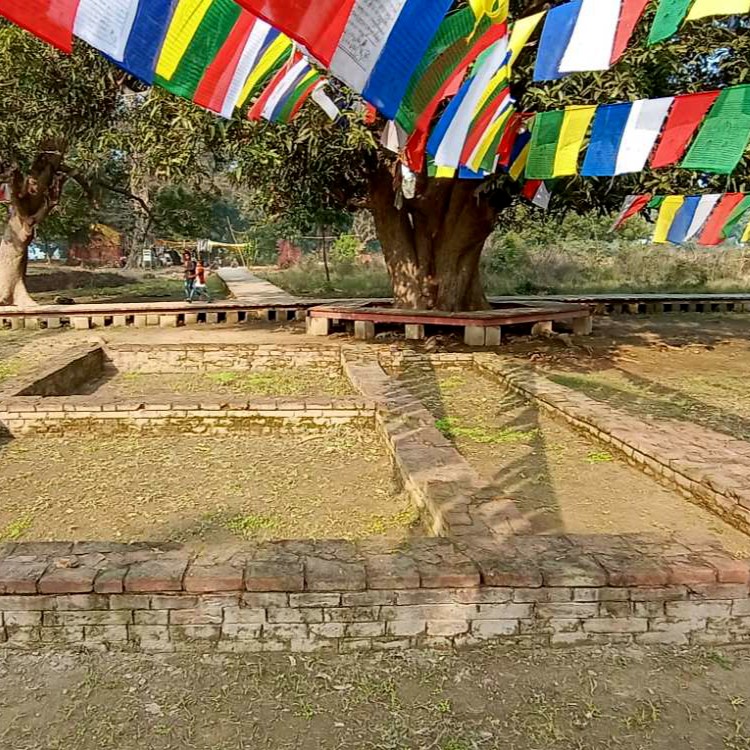
Newly Discovered Apsidal Buddhist Temple at Tilaurakot-Kapilavastu: A Historic Archaeological Breakthrough
Tilaurakot-Kapilavastu, Nepal – In a landmark discovery, an apsidal Buddhist temple has been unearthed at Tilaurakot-Kapilavastu, a site of immense historical and spiritual significance. The archaeological excavation is being led by a distinguished team from the Department of Archaeology, Lumbini Development Trust, and Durham University, co-directed by Professor Robin Coningham, UNESCO Chair in Archaeological Ethics and Practice in Cultural Heritage, and Mr. Kosh Prasad Acharya, National Senior Archaeologist of Nepal.
This groundbreaking excavation, conducted from 10 January 2024, is part of a larger effort to explore Tilaurakot-Kapilavastu, a Tentative UNESCO World Heritage Site, and offers unprecedented insight into the urban planning and spiritual heritage of the ancient Shakya Kingdom.
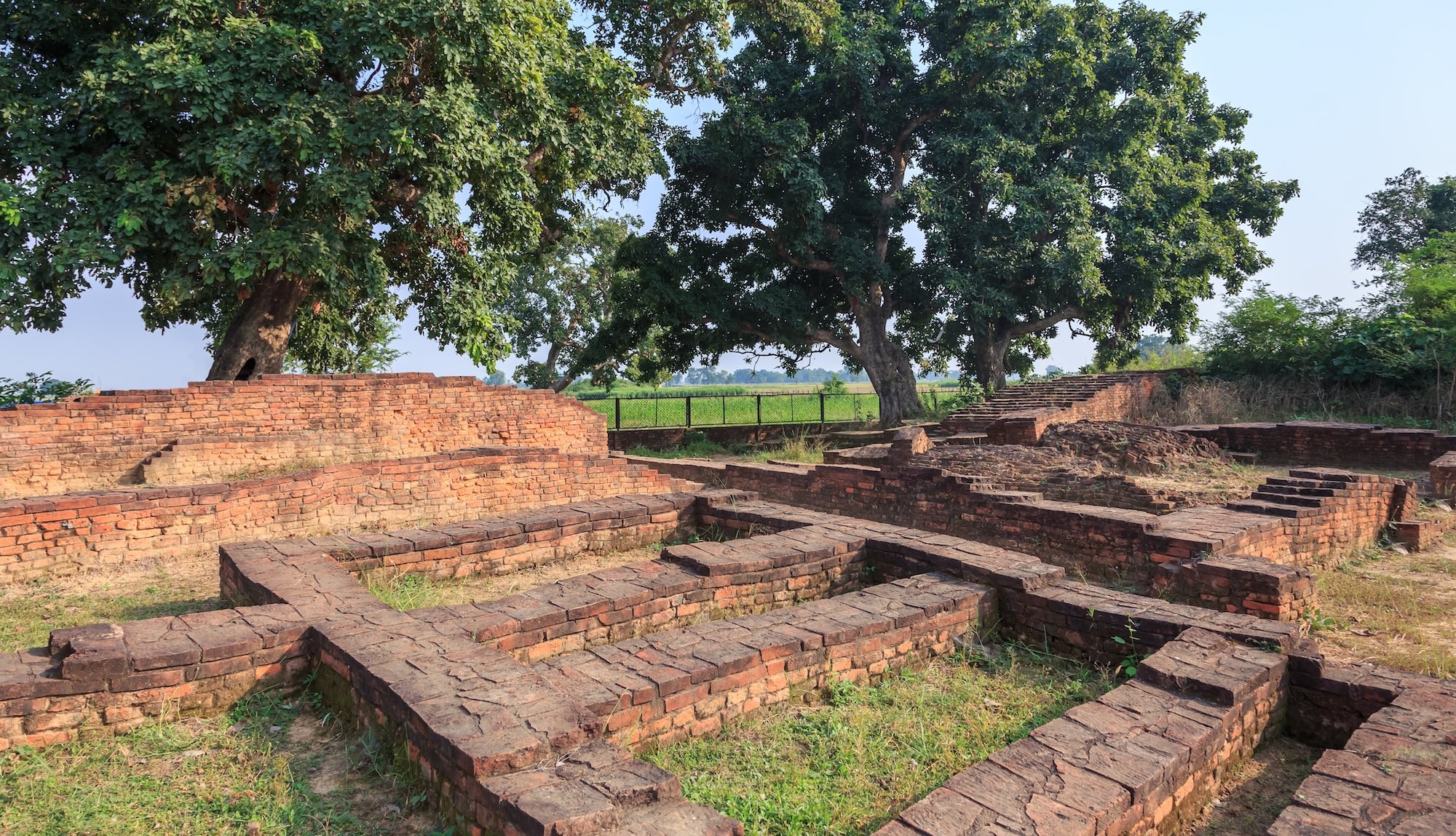
Training the Next Generation of Archaeologists
The excavation site also serves as a dynamic learning hub for Master’s level students from Tribhuvan University and Lumbini Buddhist University, providing hands-on experience in archaeological practices and heritage conservation under international supervision.
The project is supported by the UNESCO/Japanese Funds-In-Trust initiative, emphasizing the global importance of conserving Nepal’s Buddhist heritage while empowering local experts.
Tilaurakot-Kapilavastu: Historical and Cultural Significance
Tilaurakot-Kapilavastu, along with Lumbini the birthplace of Lord Buddha and Ramagrama, forms the Greater Lumbini Area, which bears testimony to centuries of spiritual and cultural history. While Lumbini was inscribed as a UNESCO World Heritage Site in 1997, Tilaurakot-Kapilavastu remains on Nepal’s Tentative List for World Heritage, reflecting its critical importance in Buddhist history.
Recent excavations have revealed:
- A comprehensive Early Historic city layout with roads aligned along cardinal directions.
- Fortified urban planning featuring a monumental walled palatial complex at the city center.
- A large monastic complex near the Eastern Stupa site, indicating the site’s religious significance.
- Structures dating back to the 6th century BCE, during the lifetime of Lord Buddha, provide concrete evidence of the city’s antiquity.
These discoveries provide a detailed blueprint of one of South Asia’s earliest historic cities, offering scholars and pilgrims an unprecedented window into the life and times of the Shakya Kingdom.
Conservation and Management Initiatives
UNESCO’s ongoing project, Strengthening the Conservation and Management of Lumbini, aims to safeguard these sacred sites and enhance visitor experience while preserving their authenticity. Key initiatives include:
- Conservation of iconic monuments: Marker Stone, Nativity Sculpture, and Ashoka Pillar.
- Archaeological risk mapping for Lumbini, Ramagrama, Tilaurakot-Kapilavastu, and surrounding buffer zones.
- Enhanced walkways for pilgrims and visitors, following non-intrusive and reversible guidelines.
- Mapping 235 heritage sites in Kapilvastu and Rupandehi districts using GIS technology.
- Capacity building for Nepalese archaeologists and students in advanced conservation techniques.
- Annual heritage festivals engaging local communities to promote awareness of tangible and intangible heritage.
Towards UNESCO World Heritage Nomination
The recent discoveries and conservation efforts are laying the groundwork for Nepal’s planned submission of Tilaurakot-Kapilavastu to the UNESCO World Heritage List in 2024, recognizing the site’s outstanding universal value and spiritual significance.
This initiative aligns with Sustainable Development Goal 11.4, which emphasizes the protection and promotion of cultural and natural heritage worldwide.
A Global Heritage of Spiritual and Historical Value
Tilaurakot-Kapilavastu is not just a site of archaeological interest; it is a living testament to the life of Lord Buddha and the urban sophistication of the ancient Shakya Kingdom. With careful excavation, preservation, and education, this site is set to become a cornerstone of Buddhist heritage, attracting scholars, pilgrims, and global visitors for generations to come.
