
Pillars of Ashoka in Nepal: Footprints of a Buddhist Emperor
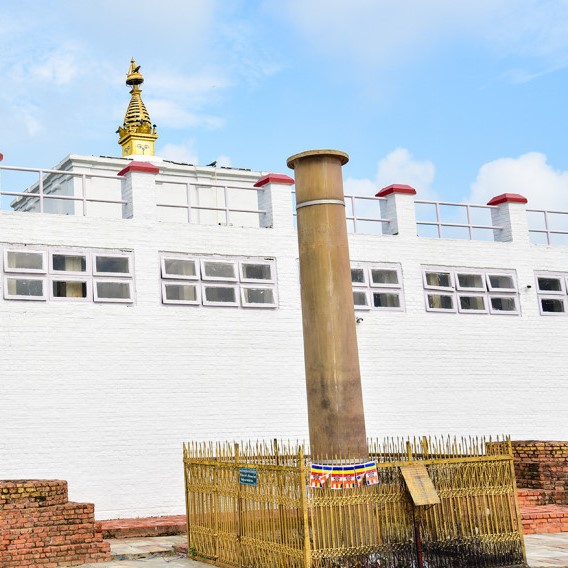
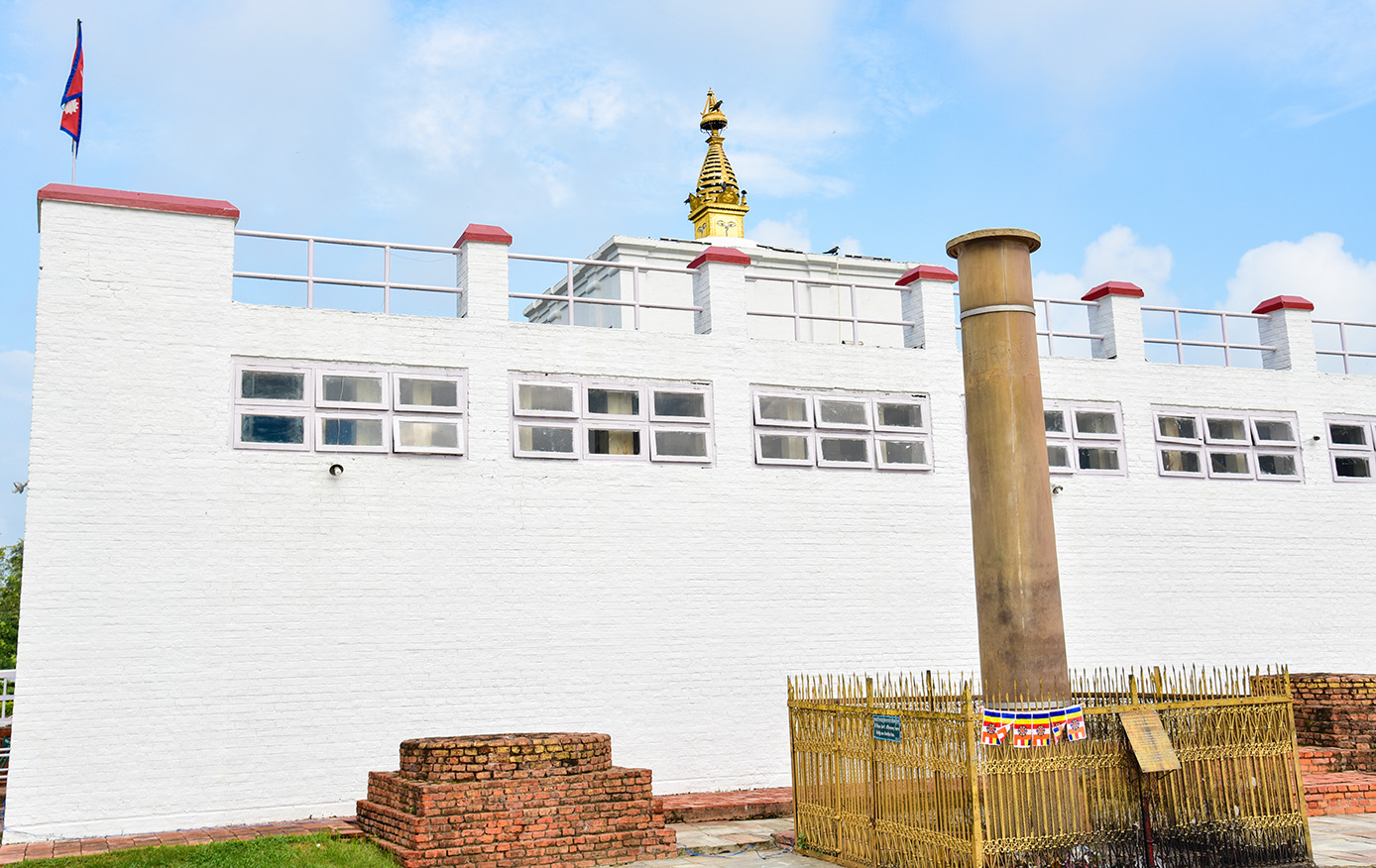
1. Lumbini Ashoka Pillar (Rupandehi District)
- Location: Sacred Garden, Lumbini
- Significance: Marks the birthplace of Siddhartha Gautama (Buddha).
- Inscription: Written in Brahmi script, it records Ashoka’s visit to Lumbini in his 20th regnal year. He declares Lumbini tax-free and donates wealth to the village.
- Discovery: Found in 1896 by General Khadga Shamsher and German archaeologist Dr. Anton Führer.
- Condition: Fully intact and protected. It stands as the most authentic and historically verified Ashokan pillar in Nepal.
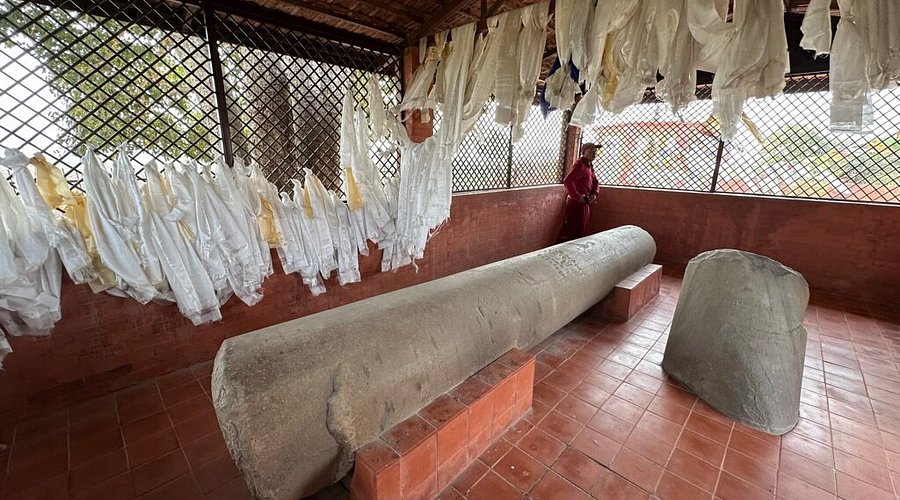
 2. Niglihawa Ashoka Pillar (Kapilvastu District)
- Location: Niglihawa village, near Taulihawa
- Associated Figure: Kanakamuni Buddha, one of the past Buddhas
- Inscription: Confirms Ashoka’s visit and mentions that he enlarged the stupa of Kanakamuni Buddha and erected a pillar.
- Condition: The pillar is broken but the inscription is still visible.
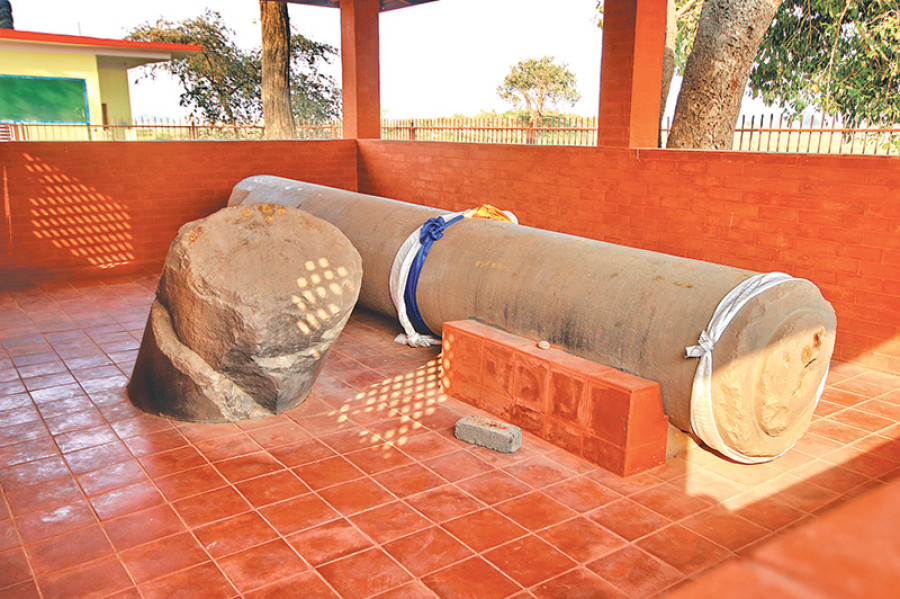
3. Gotihawa Ashoka Pillar (Kapilvastu District)
- Location: Gotihawa, close to Niglihawa
- Associated Figure: Krakuchhanda Buddha, another predecessor of Gautama Buddha
- Pillar: Only the base remains today, and no inscription survives.
- Significance: Based on historical records and archaeological context, it is attributed to Ashoka’s pilgrimage.
Surrounded by ancient stupa ruins, Gotihawa remains a peaceful and spiritually significant site for Buddhist pilgrims.
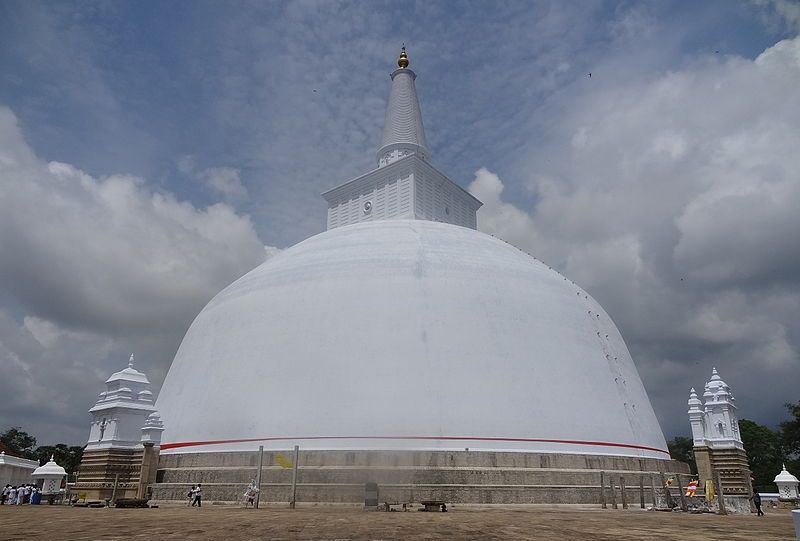
4. Ramagrama Stupa (Nawalparasi District)
- Location: Ramgram Municipality, Nawalparasi
- Unique Feature: This is not a pillar site, but it's closely linked to Ashoka’s story.
- Historical Record: According to Buddhist texts, Ashoka opened all relic stupas of the Buddha to redistribute relics across his empire — except Ramagrama. He spared it because it was protected by Nagas (serpent deities).
- Current Status: The stupa remains untouched and is believed to contain the only original relics of Buddha in their undisturbed form.
Legacy of the Pillars
The Ashokan pillars in Nepal stand as monuments of faith, history, and diplomacy. They symbolize:
- The early spread of Buddhism beyond India
- Nepal’s vital role in the life and legacy of the Buddha
- The interconnectedness of Indian and Nepali history through cultural pilgrimage
Ashokan Heritage Trail in Nepal
If you're planning a Buddhist heritage tour, these sites can be visited in this sequence:
- Lumbini – Start at the birthplace of Buddha.
- Niglihawa – Explore the legacy of Kanakamuni Buddha.
- Gotihawa – Visit the site linked to Krakuchhanda Buddha.
- Ramagrama – Conclude with a sacred and untouched relic stupas
The Ashokan pillars of Nepal are silent yet powerful storytellers echoing the emperor’s journey from conquest to compassion. For history lovers, spiritual seekers, and travelers alike, these pillars offer a timeless connection to Nepal’s sacred past and the golden age of Buddhist enlightenment.
