
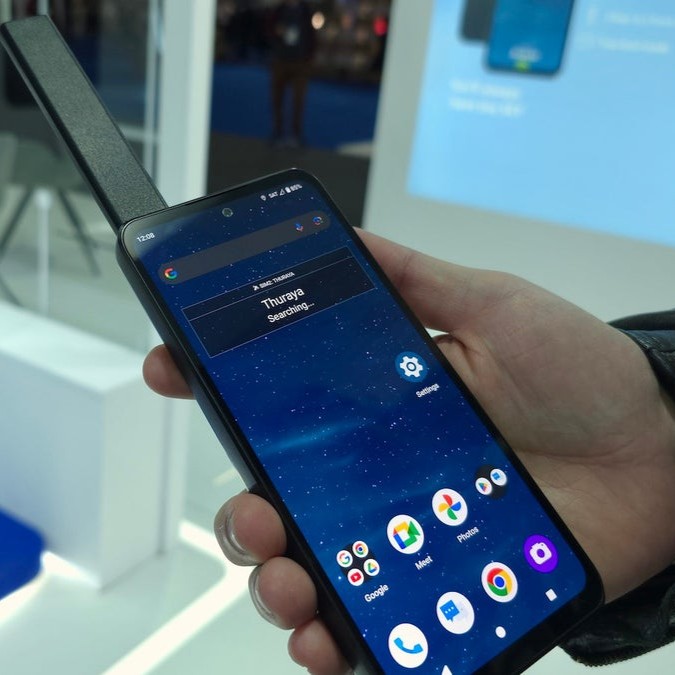
Preparing for an Everest or Annapurna Trek? Don’t Forget Your Satellite Phone
Nepal’s towering Himalayan peaks, from Everest to Annapurna, offer some of the most unforgettable trekking experiences in the world. With breathtaking landscapes, rich local culture, and the thrill of high-altitude adventure, these treks are bucket-list journeys for many.
But alongside the excitement comes a harsh reality: the Himalayas are unpredictable and remote. From sudden snowstorms and landslides to altitude sickness and rugged trails, emergencies can arise when you least expect them. This is why a satellite phone is no longer optional; it's essential safety gear for Everest and Annapurna treks.
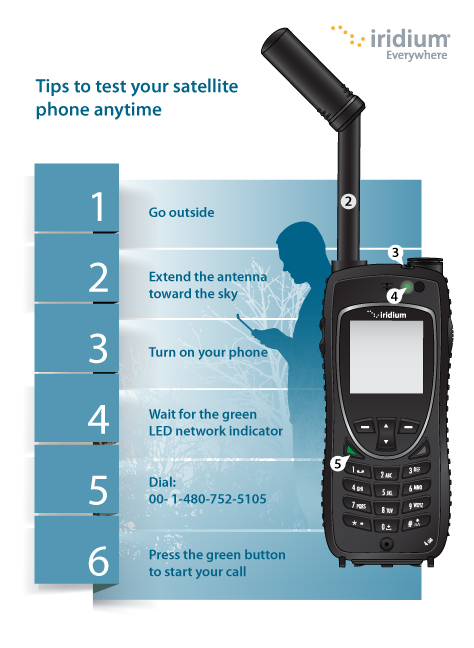
Why Mobile Phones Alone Aren’t Enough
Mobile networks in Nepal cover major towns and trekking hubs like Lukla, Namche Bazaar, and Pokhara. But once you ascend to higher altitudes or venture into remote valleys:
- Signal disappears: Most areas above 3,000 meters have no coverage.
- Delayed emergency response: Without GPS-enabled devices, rescuers may take hours—or even days—to locate you.
- Weather dependency: Heavy snow, landslides, or storms can disrupt mobile networks entirely.
In these conditions, satellite phones become a lifeline, ensuring you can communicate no matter how remote your location.
Key Benefits of Satellite Phones for Himalayan Treks
1. Reliable Communication Anywhere
Satellite phones connect directly to orbiting satellites, providing global coverage, even in the most isolated Himalayan valleys.
2. Emergency SOS and GPS
Most models include SOS buttons and GPS tracking, allowing rescuers to locate you quickly during accidents, altitude sickness, or unexpected emergencies.
3. Durable in Extreme Conditions
Built to withstand sub-zero temperatures, snowstorms, and rugged terrain, satellite phones outperform mobile devices in harsh mountain environments.
4. Coordination With Guides and Base Camps
Even experienced trekkers benefit from real-time updates from guides or base camps about weather, trail conditions, or logistical changes.
Real-Life Importance in the Himalayas
Satellite phones have already saved lives in Nepal’s mountains:
- Everest climbers suffering from altitude sickness called for helicopter evacuations using GPS-enabled SOS features.
Trekkers trapped by sudden snowstorms in the Langtang Valley were rescued promptly thanks to satellite communication. - Solo adventurers in Mustang rerouted safely after landslides with guidance relayed via satellite phones.
These examples highlight why satellite phones are critical for high-altitude safety.
Choosing the Right Satellite Phone for Your Trek
When preparing for Everest or Annapurna, consider:
- Network coverage: Iridium phones offer 100% global coverage, ideal for high-altitude and remote regions.
- Battery life: Cold temperatures drain power faster; carry spare batteries or portable chargers.
- Portability: Lightweight models are easier to carry on multi-day treks.
- Emergency features: SOS buttons, GPS tracking, and weatherproof designs are essential.
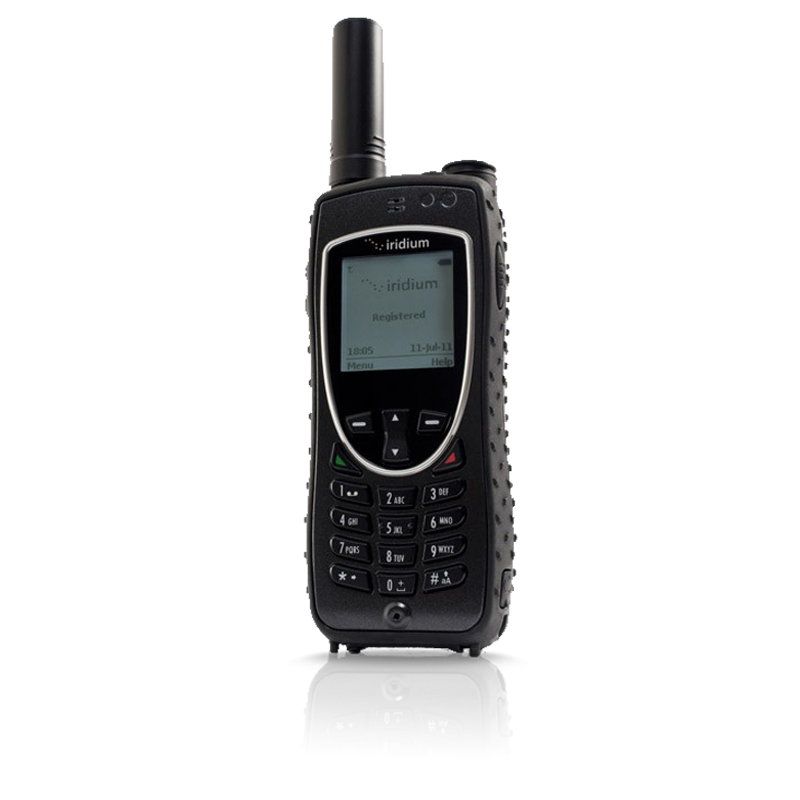
Many trekking companies, including Mountain Tiger Nepal, provide satellite phone rentals, making it convenient for trekkers to stay safe without owning one permanently.
Complementary Safety Measures
Satellite phones work best when combined with other precautions:
- Travel with experienced guides
- Follow proper acclimatization schedules to prevent Acute Mountain Sickness (AMS)
- Monitor weather forecasts and adjust itineraries if needed
- Carry essential emergency supplies
Together, these steps provide comprehensive safety for Himalayan expeditions.
Conclusion: Don’t Leave Safety Behind
Trekking Everest or Annapurna is an adventure of a lifetime but safety should never be an afterthought. A satellite phone ensures that, no matter how remote the trail, help is always just a call away.
Before you lace up your boots, pack your satellite phone alongside your trekking gear it could literally save your life.
