
Satellite Phones vs Mobile Phones: Why Trekking Demands More
Nepal’s majestic mountains ranging from the iconic Everest to the hidden trails of Dolpo offer some of the world’s most breathtaking trekking experiences. Yet, these high-altitude adventures also come with inherent risks: sudden weather changes, remote terrain, and limited emergency services. While most travelers rely on mobile phones for everyday communication, high-altitude trekking exposes the limits of mobile connectivity.
This is where satellite phones emerge as an essential safety tool, providing reliable communication when mobile networks fail. Understanding the difference between these two technologies can mean the difference between safety and danger on the trail.
Mobile Phones: Limitations in the Himalayas
Mobile phones depend on terrestrial cell towers, which makes them suitable in urban areas and lower-altitude settlements. However, in the high mountains:
- Coverage is extremely limited above 3,000 meters.
- Signals may disappear entirely in valleys, passes, and remote regions.
- Natural hazards like landslides, heavy snow, or storms can disrupt network connectivity.
- In emergencies, mobile phones often cannot provide precise location data, slowing rescue operations.
Even in trekking hubs like Namche Bazaar or Lukla, connectivity can be unreliable and expensive, making mobile phones insufficient for high-risk situations.
Satellite Phones: Engineered for Remote Safety
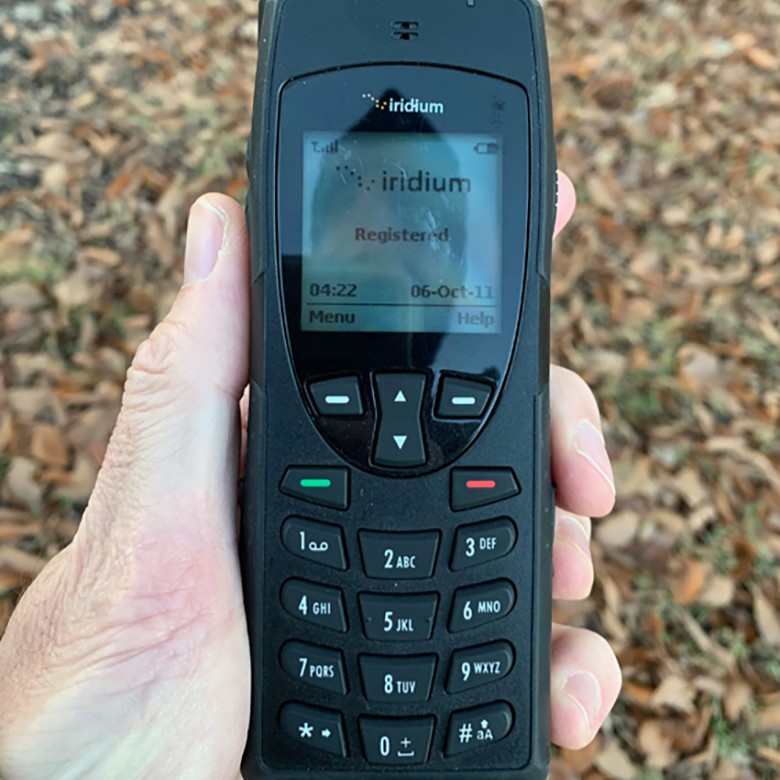
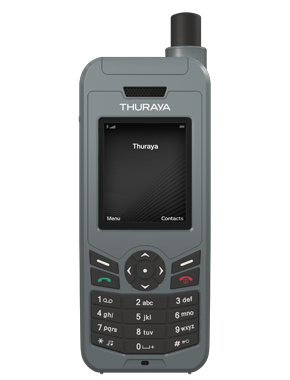
Unlike mobile phones, satellite phones communicate directly with satellites orbiting the Earth, independent of local infrastructure. This provides:
- Global Connectivity: Works anywhere, from Everest Base Camp to the remote valleys of Mustang and Dolpo.
- Emergency SOS Features: Many models allow users to send instant distress signals with GPS coordinates.
- Durability in Extreme Conditions: Built to withstand sub-zero temperatures, high altitude, and rugged terrain.
- Reliable Communication: Voice calls and text messages remain functional even in storms, snow, or post-landslide scenarios.
For trekkers, this means lifesaving communication is always available, whether for medical emergencies, route updates, or coordination with guides.
Comparing Mobile and Satellite Phones
While mobile phones are convenient in cities and villages, satellite phones are indispensable for high-altitude trekking, where every minute counts.
Real-Life Significance in the Himalayas
Numerous accounts from guides and mountaineers emphasize the life-saving potential of satellite phones:
- Trekkers in the Langtang Valley contacted rescue teams during sudden snowstorms, ensuring timely evacuation.
- Everest climbers facing severe altitude sickness were located quickly through GPS-enabled SOS alerts.
- Expedition teams in remote Mustang coordinated reroutes during landslides, preventing injuries.
These examples prove that satellite phones are not just a luxury—they’re a necessity in Nepal’s high mountains
Tips for Trekking with a Satellite Phone
- Rent or purchase a phone compatible with global networks like Iridium.
- Check battery life: Cold temperatures can drain power quickly.
- Test SOS and GPS functions before heading to high-altitude regions.
- Carry spare power banks and protective cases.
- Combine with proper trekking preparation: guides, weather monitoring, and acclimatization.
Many trekking companies, including Mountain Tiger Nepal, provide satellite phone rentals as part of their safety protocols, ensuring adventurers are fully equipped for emergencies.
Conclusion: Safety Comes First
While mobile phones are essential for everyday communication, trekking in Nepal’s high mountains demands more than conventional connectivity. Satellite phones provide reliable communication, GPS-enabled emergency assistance, and peace of mind, allowing adventurers to focus on the experience without compromising safety.
For every trekker or mountaineer, a satellite phone isn’t just technology—it’s a lifeline in the heart of the Himalayas.
