
Solo Female in the Khumbu: A Safety Guide for 2026
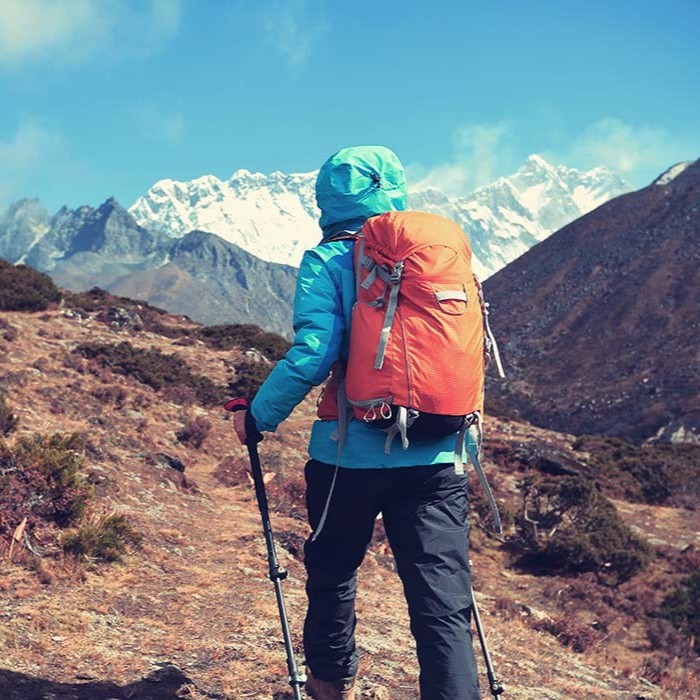
Trekking in the Khumbu region of Nepal is a dream adventure, but for solo female travelers, safety planning is crucial. While Nepal is generally safe, the Himalayan environment presents unique challenges: remote trails, unpredictable weather, and cultural differences. This 2026 guide covers practical strategies to ensure a safe, enjoyable, and empowering trek.
1. Plan Your Route and Accommodation Ahead
Preparation is your first line of defense.
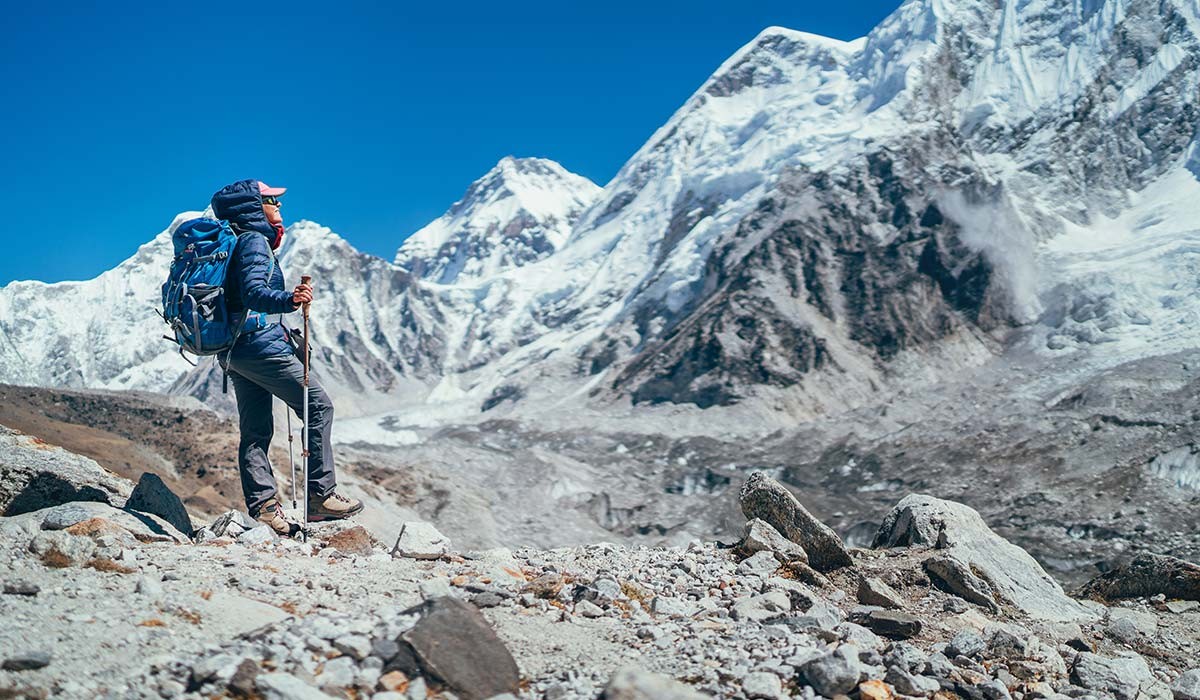
- Research trails and difficulty: Know the route to Everest Base Camp, Gokyo Lakes, or Three Passes.
- Pre-book teahouses when possible: Popular villages like Namche Bazaar, Tengboche, and Dingboche can fill quickly, especially in peak season.
- Keep emergency options in mind: Identify nearby medical posts, helipads, or lodges for urgent situations.
Planning reduces stress and minimizes risky last-minute decisions.
2. Hire a Guide or Porter
Even experienced trekkers benefit from local support.
- Guides provide safety and local knowledge: They help navigate trails, bridge language gaps, and monitor altitude issues.
- Porters reduce load: Carrying less reduces fatigue and allows better focus on the trail.
- Cultural insight: Guides can advise on etiquette, dress codes, and interaction with local communities.
A reputable guide or agency increases both security and confidence, especially in remote areas.
3. Stay Connected
Communication is critical for solo trekkers.
- SIM cards or local eSIMs: Nepal Telecom and Ncell provide coverage in major trekking regions.
- Satellite phones or Starlink hotspots: Useful in high-altitude zones with limited coverage.
- Share itinerary with family/friends: Send updates at least once per day, including estimated arrival times and checkpoints.
Reliable communication ensures help is never out of reach.
4. Travel Light but Smart
Carrying essential gear efficiently improves both safety and mobility.
- Essential items: Warm layers, rain gear, trekking boots, headlamp, personal first-aid kit, trekking poles.
- Keep valuables safe: Money, passport, and electronics should be carried in a secure, accessible pack.
- Dress for culture and comfort: Loose layers that cover shoulders and knees are respectful in local villages.
Packing strategically reduces risk of injury or theft while improving trekking comfort.
5. Trust Your Instincts and Stay Confident
Your mindset is a powerful safety tool.
- Set boundaries: Politely refuse unwanted attention or requests.
- Stick to well-traveled paths: Avoid isolated shortcuts or risky trails.
- Observe your environment: Monitor weather, trail conditions, and local interactions.
Confidence combined with caution often prevents incidents before they happen.
6. Health and Emergency Preparedness
Altitude and terrain pose specific health risks for solo trekkers.
- Acclimatization is non-negotiable: Plan rest days and monitor for symptoms of AMS.
- Carry medication and supplies: Painkillers, altitude medicine, anti-diarrheal, and blister care.
- Know evacuation procedures: Identify helicopter services or medical posts in case of emergencies.
Preparedness ensures swift action if problems arise, especially when alone.
7. Connect with Local and Trekking Communities
The Khumbu region is known for its hospitality, and networking can enhance safety.
- Fellow trekkers: Join group treks, tea house communities, or trekking forums.
- Local communities: Sherpa villages often provide guidance, advice, and safe lodging.
- Trekking agencies: Licensed operators offer structured support for solo travelers.
Building connections creates both social and safety nets along the trail.
Final Thoughts
Solo trekking in the Khumbu is empowering, inspiring, and safe when approached thoughtfully. Key strategies include:
- Planning your route and accommodations.
- Hiring a guide or porter.
- Maintaining reliable communication.
- Packing smart and respecting local culture.
- Trusting instincts and staying confident.
- Preparing for health and emergencies.
- Engaging with local communities and fellow trekkers.
With preparation, confidence, and awareness, solo female trekkers can fully embrace the magic of the Himalayas while minimizing risks making 2026 a safe and unforgettable adventure.
