
Tea House Culture: The Best Food You’ll Eat on the Annapurna Trek
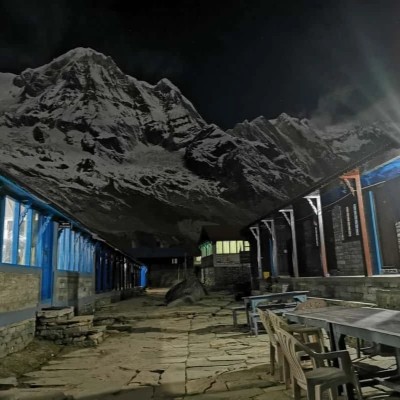
Trekking the Annapurna Base Camp (ABC) trail isn’t just about towering peaks and sweeping Himalayan vistas, it's also a journey through the heart of Nepali mountain hospitality. Along the trail, teahouses serve as your resting spots, social hubs, and culinary havens. Experiencing teahouse culture is an essential part of the Annapurna adventure.
Here’s why the food, hospitality, and local culture make the teahouse experience unforgettable.
1. Traditional Gurung Hospitality
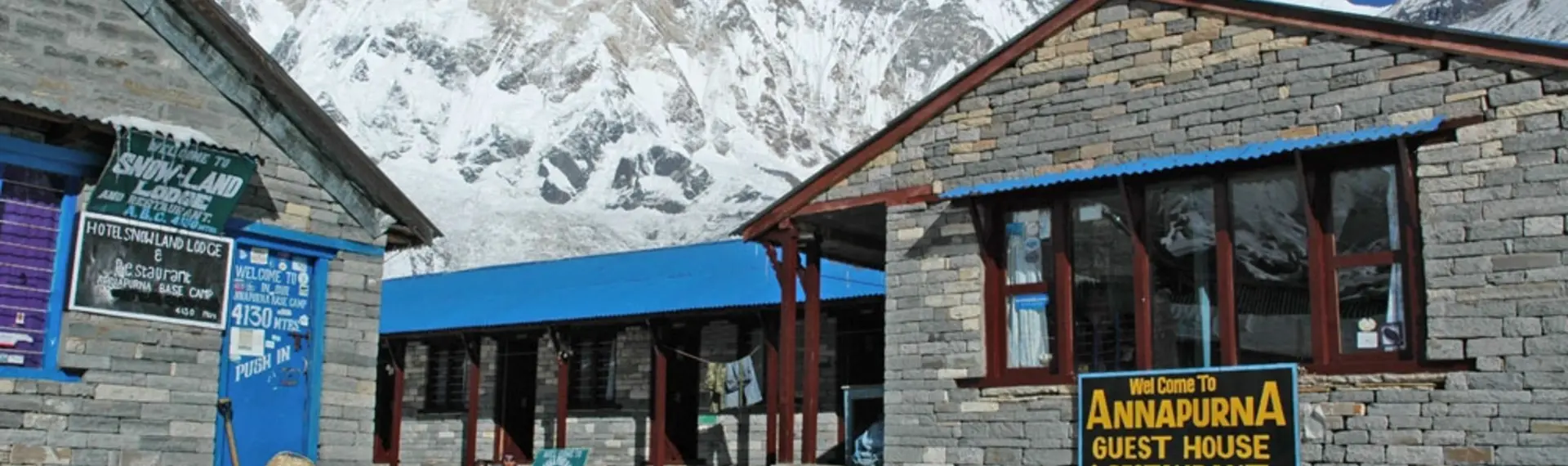
The Annapurna region is home to the Gurung and Magar communities, renowned for their warmth and hospitality. Teahouses are more than accommodations; they are family-run hubs where travelers are welcomed like relatives.
- Owners often share stories about local culture, traditions, and folklore
- Guests are invited to join communal meals, creating a social, friendly atmosphere
- Simple gestures, like offering warm tea or homemade snacks, make the trek feel personal and authentic
For first-time trekkers, this human connection enhances the Himalayan experience beyond just scenery.
2. Hearty, High-Energy Mountain Meals
Hiking for hours in the mountains demands calories and warmth, and Annapurna teahouses deliver. The menu blends Nepali staples, Tibetan influences, and locally sourced ingredients, including:
- Dal Bhat: Nepal’s iconic rice and lentil dish, often served with vegetables and pickles.
- Momo: Steamed or fried dumplings filled with vegetables, chicken, or yak meat.
- Thukpa: Himalayan noodle soup perfect for cold, high-altitude evenings.
- Rice and Curry, Omelettes, Pancakes, and Soups: Options vary by region, often freshly made.
Meals are hearty, wholesome, and designed for trekkers, giving energy for long days while introducing you to Nepalese flavors.
3. Tea, Butter Tea, and Hot Drinks
Teahouses aren’t just about food they’re also about beverages that combat the cold and fatigue:
- Gurung milk tea: Sweet and warming, perfect after a long trek.
- Butter tea (po cha): Traditional Tibetan-style tea, rich and energizing.
- Hot chocolate and coffee: Increasingly available in popular stops like Ghorepani and Chhomrong.
These drinks are comforting rituals, turning ordinary breaks into memorable experiences.
4. Unique Views While Dining
One of the best features of Annapurna teahouses is the setting. Many dining areas are perched on hilltops with panoramic views of Annapurna South, Machapuchare, and Hiunchuli.
- Eating dal bhat while snow-capped peaks glow in the morning light is an unforgettable memory.
- Teahouse terraces and windows offer perfect photography opportunities, combining food with scenery.
5. Social Experience with Fellow Trekkers
Teahouses foster a communal atmosphere, ideal for meeting fellow adventurers:
- Shared tables encourage conversations, advice, and friendship.
- Even solo travelers feel a sense of community and camaraderie.
- Stories, laughter, and shared meals make each night as rewarding as the trekking itself.
6. Supporting Local Communities
By staying and eating in teahouses, trekkers directly support local livelihoods:
- Families rely on tourism for income and cultural preservation
- Ingredients are often locally sourced, supporting nearby farms and markets
- Your visit sustains Gurung traditions and hospitality culture, keeping the trail vibrant and authentic
Final Thoughts
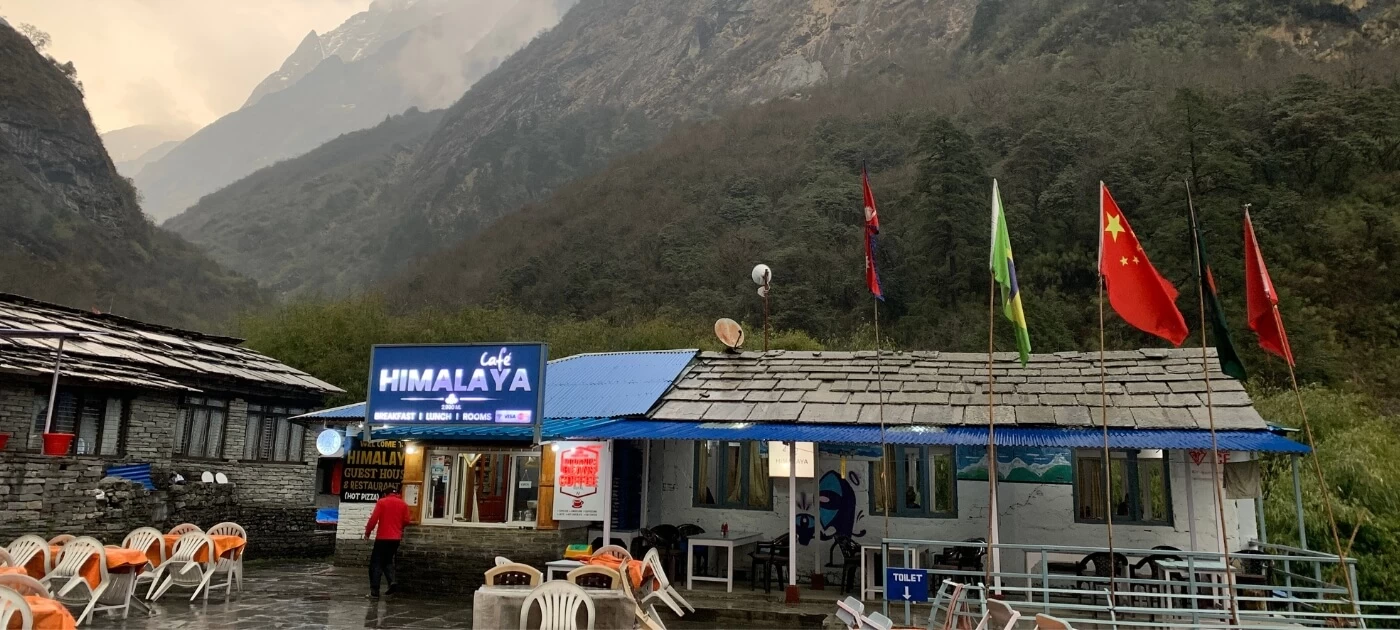
The Annapurna trek is a feast for the senses, and teahouse culture is the heart of the journey. From warm hospitality and hearty meals to breathtaking dining views and social connections, every teahouse stop contributes to the rich tapestry of the Himalayan experience.
For anyone trekking ABC, the teahouses are not just resting spots, they're destinations in themselves, offering some of the best food, warmth, and cultural immersion you’ll experience anywhere in the world.
