
The Death of the Lukla Flight? New 2026 Road Access Routes Explained
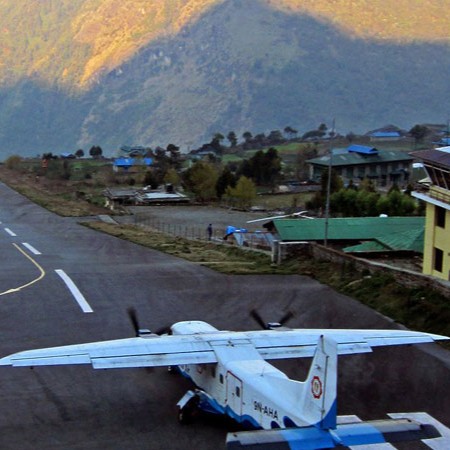
For decades, the Lukla flight, often called the “world’s most dangerous airport” has been the traditional gateway for Everest Base Camp (EBC) trekkers. Its tiny runway, sudden weather changes, and high-altitude challenges have made it a thrilling yet risky start to the trek.
But in 2026, the landscape is changing. New road access routes are beginning to reshape how trekkers reach the Khumbu region. Here’s everything you need to know about these emerging options, their pros and cons, and what it means for your Everest adventure.
Why Lukla Flights Are Risky
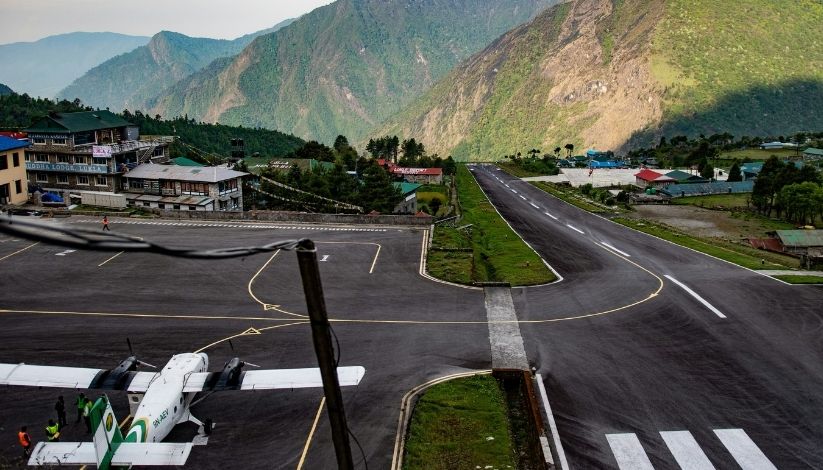
The Tenzing-Hillary Airport in Lukla is notorious for:
- Short, sloped runway (527 meters)
- Sudden mountain weather, often grounding flights
- High accident risk; several incidents occur annually
- Delays leading to long waits in Kathmandu or Lukla
For adventure seekers, Lukla is iconic but for safety-conscious trekkers, the risk is real.
New Road Access Routes in 2026
The Nepalese government has been expanding the road network toward the Khumbu region, making overland approaches feasible for trekkers. Key developments include:
- Salleri–Phaplu–Junbesi Road
- Connects Salleri (Solukhumbu) to the Everest region overland
- Reduces dependence on Lukla flights
- Drive takes approximately 8–10 hours from Salleri to Phaplu
- Ramechhap–Solu Highway
- Provides a road link closer to the Everest trailhead
- Allows trekkers to bypass Lukla entirely
- Offers scenic views along rolling hills and traditional villages
- Helambu–Solu Valley Combined Route
- Alternative trekking route with partial road access
- Less crowded than the Lukla trail
- Requires careful planning for lodging and supplies
These roads are improving every year, giving trekkers more flexibility, lower costs, and reduced flight risk.
Pros and Cons of Road Access vs Lukla Flights
What This Means for Everest Trekkers in 2026
- Reduced Flight Dependency
Trekkers now have options beyond the notorious Lukla flight. - Better Safety
Road access reduces exposure to sudden weather delays and high-altitude flight risks. - Longer, Scenic Approach
Overland routes add an extra day or two to your trek but allow you to experience remote villages, forests, and rivers before reaching the trailhead. - Flexible Planning
Trekkers can now choose between speed, comfort, or immersion depending on preference and budget.
Caveats and Considerations
- Roads are improving but still rough and unpaved in sections. A high-clearance vehicle is recommended.
- Monsoon season may temporarily close roads due to landslides.
- Overland routes require early planning for lodging, permits, and transport coordination.
Final Verdict: Is the Lukla Flight Really Dead?
Not yet. Lukla flights remain popular for those seeking thrill and time efficiency. However, with road access steadily improving, trekkers now have safer, cost-effective, and more immersive alternatives.
In 2026, Everest Base Camp is more accessible than ever, and your adventure can start by driving through stunning landscapes instead of flying into one of the world’s most dangerous airports.
