
The Evolution of Sherpa Culture: What’s Changed in the Last 10 Years?
The Sherpa community of the Khumbu region has long been synonymous with Everest trekking, mountaineering expertise, and Himalayan resilience. But in the last decade, Sherpa culture has undergone remarkable changes shaped by tourism, modernization, and global attention. Understanding these shifts is key to appreciating both the people and the culture behind the Everest adventure
 1. From High-Altitude Labor to Skilled Professionals
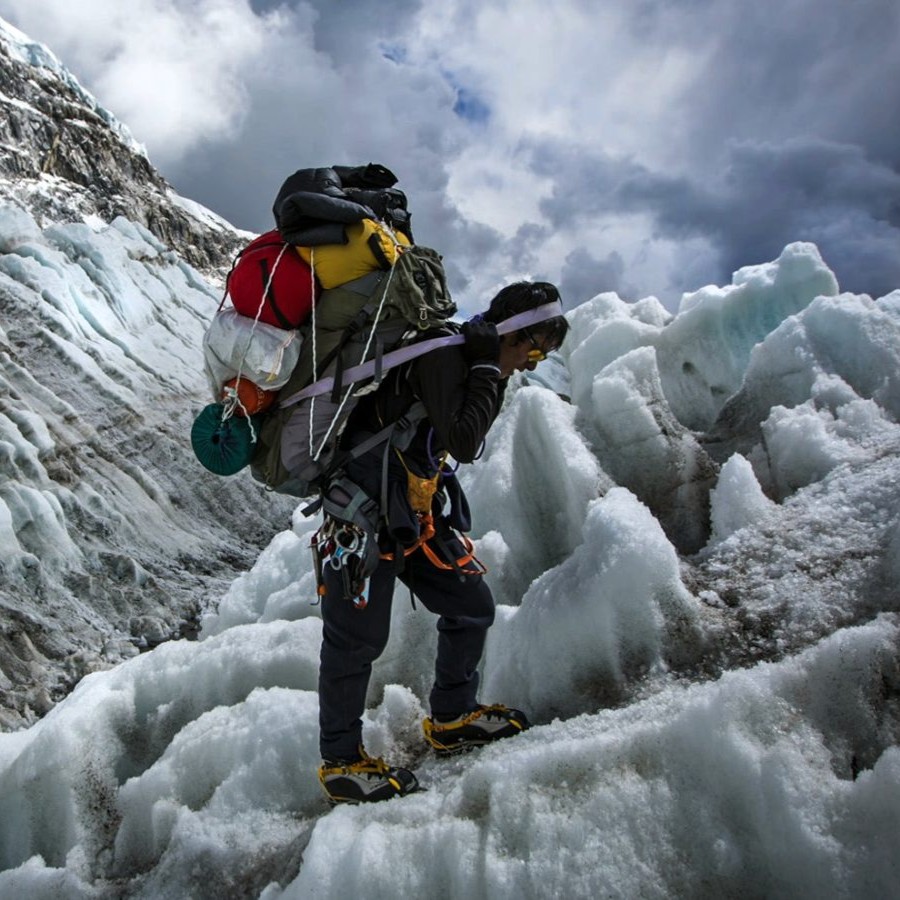
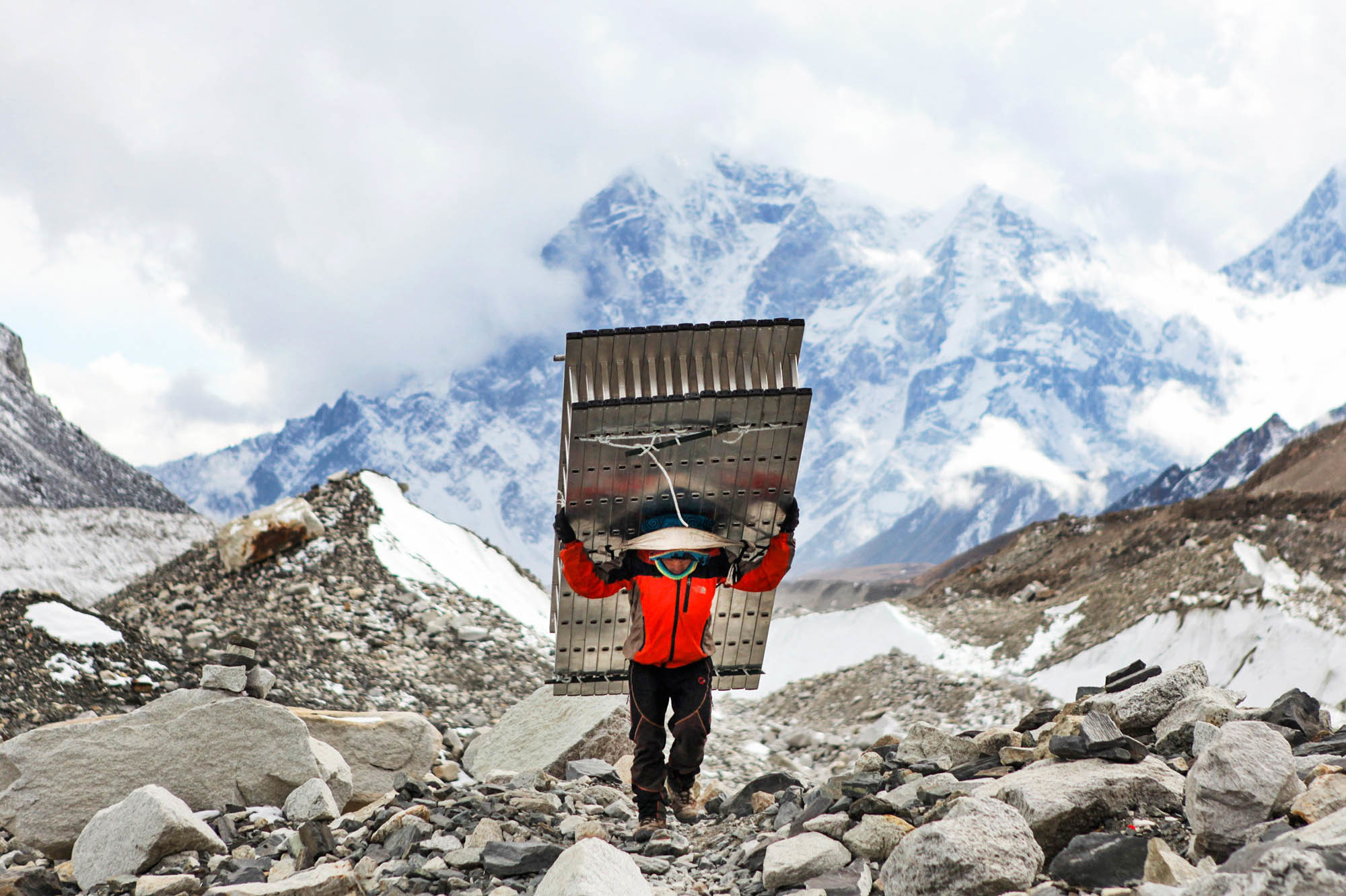
Traditionally, Sherpas were celebrated for their mountaineering labor, carrying loads, setting ropes, and guiding climbers to the summit. Over the last 10 years:
- Many Sherpas have transitioned to certified guides, expedition leaders, and trekking entrepreneurs
- Professionalism and training programs have increased, improving safety standards for clients and locals alike
- Sherpa-led companies now offer luxury trekking and cultural tours, not just labor-intensive expeditions
2. Modern Education and Youth Aspirations
- Sherpa children now have greater access to education, including English-medium schools in Namche, Lukla, and Pangboche
- Younger generations are exploring careers in tourism management, IT, mountaineering education, and even international climbing partnerships
- Cultural preservation is balanced with modern ambitions, as many youth actively document their heritage online
3. Economic Shifts
Tourism and trekking revenue have transformed Sherpa livelihoods:
- Tea houses, lodges, and trekking agencies provide steady income beyond seasonal mountaineering work
- Investment in local infrastructure—bridges, trails, and microbusinesses—has improved quality of life
- Global recognition of Sherpas’ contributions has increased fair wages and insurance protections
4. Cultural Adaptation and Global Influence
While traditional festivals, rituals, and Buddhist practices remain central:
- Western tourism has introduced modern amenities, new foods, and global connectivity
- Some cultural expressions, like mask dances and monastery events, are now also designed to educate tourists
- Sherpas skillfully blend tradition with modernity, maintaining spiritual roots while embracing economic and technological opportunities
5. Environmental Awareness
The last decade has seen growing eco-consciousness among Sherpas:
- Initiatives to reduce trekking waste, clean up Everest Base Camp, and promote sustainable tourism
- Increased participation in climate awareness programs, addressing glacial retreat and changing Himalayan ecosystems
- Integration of traditional environmental respect with modern conservation practices

Final Thoughts
Sherpa culture has evolved dramatically in the past 10 years, moving from labor-intensive mountaineering roots toward professional, entrepreneurial, and globally connected communities. Yet, despite modernization, Sherpas continue to embody resilience, hospitality, and spiritual depth, ensuring that trekking in the Himalayas remains not only an adventure but also a journey through a vibrant living culture.
For trekkers and mountaineers, understanding these changes enriches the experience: every tea house, festival, and trail in the Khumbu now tells a story of tradition, adaptation, and pride.
Mountain Tiger Nepal promotes culturally responsible trekking, providing opportunities to experience authentic Sherpa culture while supporting sustainable tourism and local communities.
