
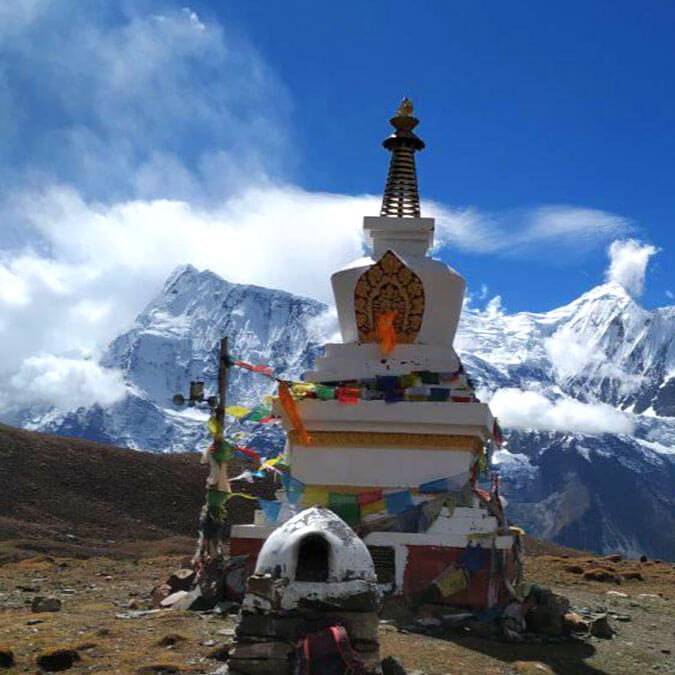
The Truth About the Thorong La Pass: How Hard is it Really?
Thorong La Pass, at 5,416 meters, is the crown jewel of the Annapurna Circuit. Every year, thousands of trekkers aim to cross it, yet many are unsure how difficult it really is. Rumors of extreme hardship, altitude sickness, and exhausting ascents often circulate online. Let’s break it down factually.
Understanding Thorong La
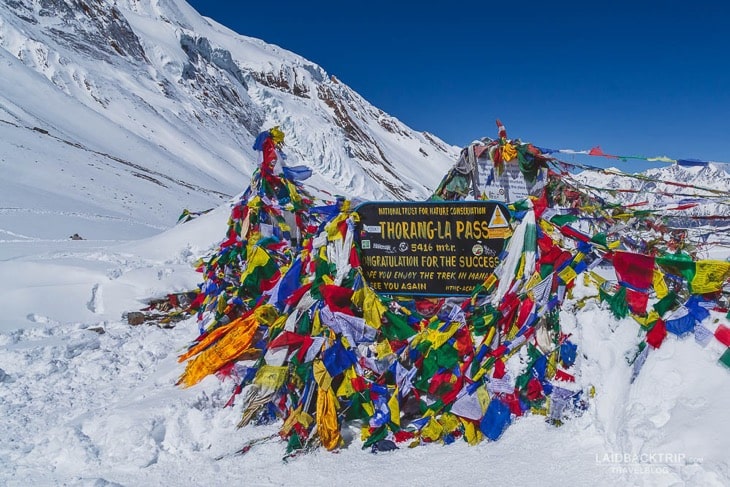
Thorong La is the highest point on the Annapurna Circuit, linking Manang Valley to the Mustang/Kali Gandaki region.
- Altitude: 5,416 m (17,769 ft)
- Trail Type: Gradual ascent with some steep sections, alpine terrain
- Season: Pre-monsoon (March–May) and post-monsoon (September–November) are safest
It is a walkable pass, not a technical climb, but altitude and weather make preparation essential.
How Hard Is the Pass?
1. Physical Challenge
- Average ascent from Thorong Phedi (~4,540 m) takes 4–6 hours
- Steep sections exist, but it is mostly a trekking route, not a mountaineering climb
- Fitness Requirement: Moderate to high cardio, endurance for several days of walking at high altitude
Insider Tip: Many trekkers overestimate difficulty due to altitude stress rather than the physical trail itself.
2. Altitude Considerations
Altitude is the real challenge.
- Oxygen decreases noticeably above 4,500 m
- Risk of Acute Mountain Sickness (AMS) is real if acclimatization is skipped
- Acclimatization days in Manang or Yak Kharka are critical
Symptoms to watch: headache, nausea, fatigue, shortness of breath.
With proper pacing, Thorong La is manageable for most fit trekkers.
3. Timing Matters
Most trekkers start very early, around 4–5 AM, to:
- Avoid strong winds and potential snow accumulation
- Reach the pass before midday weather changes
- Enjoy sunrise views over Annapurna peaks
Tip: A slow, steady pace beats rushing; many trekkers feel stronger with a gradual ascent.
4. Trail Conditions
- March–May: Packed snow near the pass; early morning crossing recommended
- September–November: Clearer, less snow, more stable footing
- Winter months: Only for highly experienced trekkers due to ice and cold
Despite rumors, Thorong La is not a technical climb—it’s high-altitude trekking with exposure to alpine conditions.
5. Descent Into Muktinath
The descent is generally easier physically but can be challenging on knees and ankles due to uneven terrain.
- Walking poles recommended
- Step-downs on rocky or icy sections require caution
Common Misconceptions
Tips to Make the Pass Easier
- Acclimatize properly: Spend 2–3 nights in Manang or Yak Kharka
- Start early: Depart before sunrise for optimal conditions
- Dress in layers: Temperatures vary from sub-zero at the pass to mild lower down
- Hydrate and snack: Energy and fluids are critical
- Walk slowly: Avoid running or fast pacing; conserve energy
- Use trekking poles: Reduce strain on knees and balance on icy patches
Verdict: Is Thorong La Really That Hard?
- The pass is challenging, but not impossible
- Difficulty comes from altitude, weather, and endurance, not technical climbing
- Proper preparation, pacing, and early departure dramatically increase success rate
Most trekkers who respect these principles cross the pass without major issues and describe it as one of the most rewarding moments of the Annapurna Circuit.
Final Thoughts
Thorong La is intimidating in reputation but manageable in reality.
It is a pinnacle experience, offering stunning Himalayan panoramas and a sense of achievement unmatched on the trail.
Plan Your Annapurna Circuit Trek with Mountain Tiger Nepal
Mountain Tiger Nepal offers:
- Expert guides familiar with Thorong La and high-altitude safety
- Customized itineraries with proper acclimatization
- Support for gear, logistics, and emergency planning
info@mountaintigernepal.com
Mountain Tiger Nepal (MTN)
Cross Thorong La confidently and safely with MTN the Annapurna Circuit’s iconic high pass awaits.
