
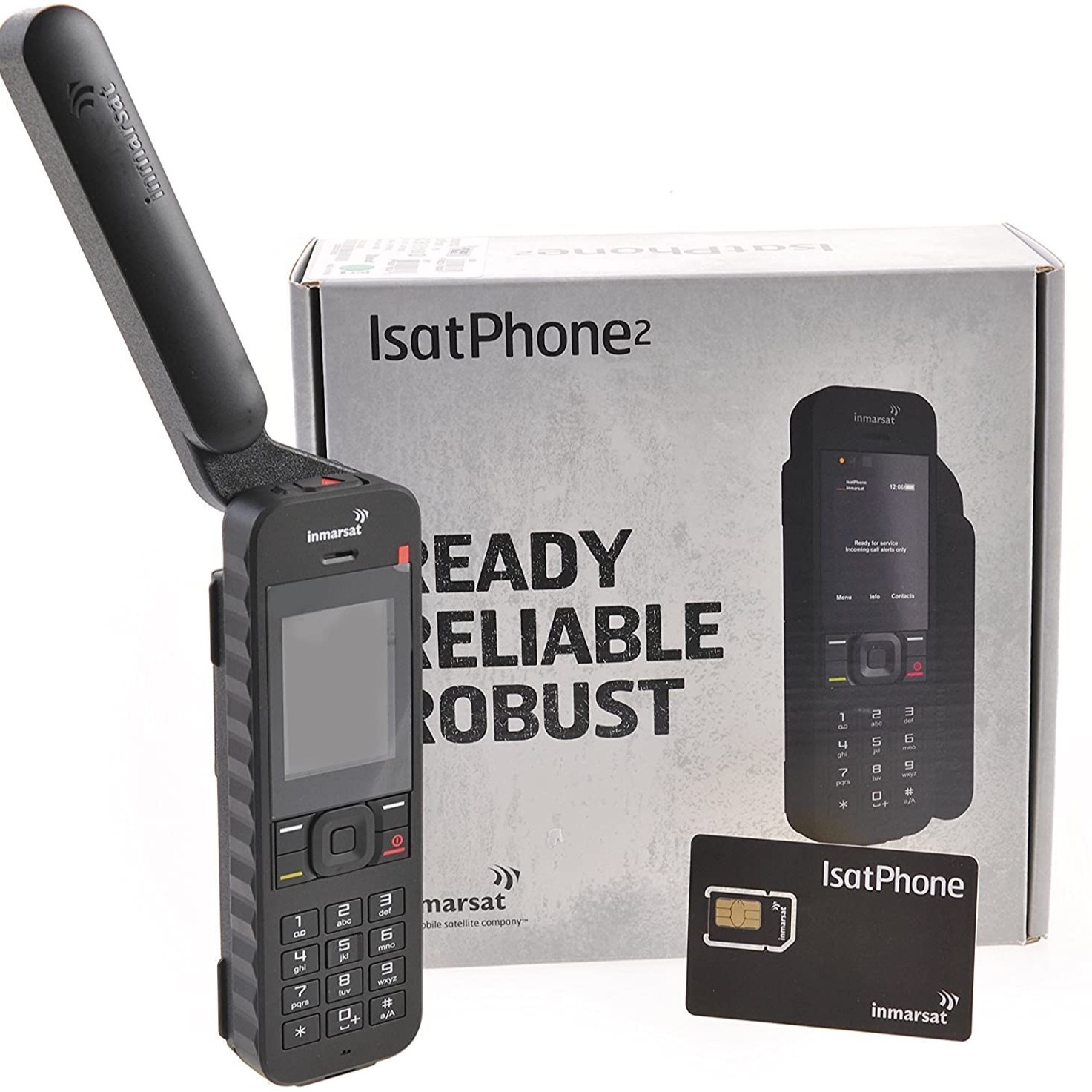
Why Mountain Guides in Nepal Recommend Satellite Phones
Trekking and mountaineering in Nepal offer experiences of a lifetime from the towering peaks of the Himalayas to remote villages tucked in hidden valleys. But with such beauty comes risk. Unpredictable weather, rugged terrain, altitude sickness, and remote locations can turn an adventure into an emergency in minutes. This is why experienced mountain guides in Nepal strongly recommend satellite phones for trekkers and climbers.
The Unique Challenges of Nepal’s Mountains
Guides in Nepal face daily realities that make communication critical:
- Limited Mobile Network Coverage: Remote regions such as Mustang, Dolpo, Upper Manang, and high-altitude passes often have no cellular service.
- Rapidly Changing Weather: Storms, avalanches, and heavy snowfall can appear without warning.
- Medical Emergencies: Altitude sickness, injuries, and sudden illnesses can escalate quickly in areas far from hospitals.
- Navigation Difficulties: Dense forests, river crossings, and unmapped trails make coordinating group movements challenging.
In such conditions, traditional mobile phones simply aren’t reliable. Satellite phones, however, provide a lifeline even in the most remote areas.
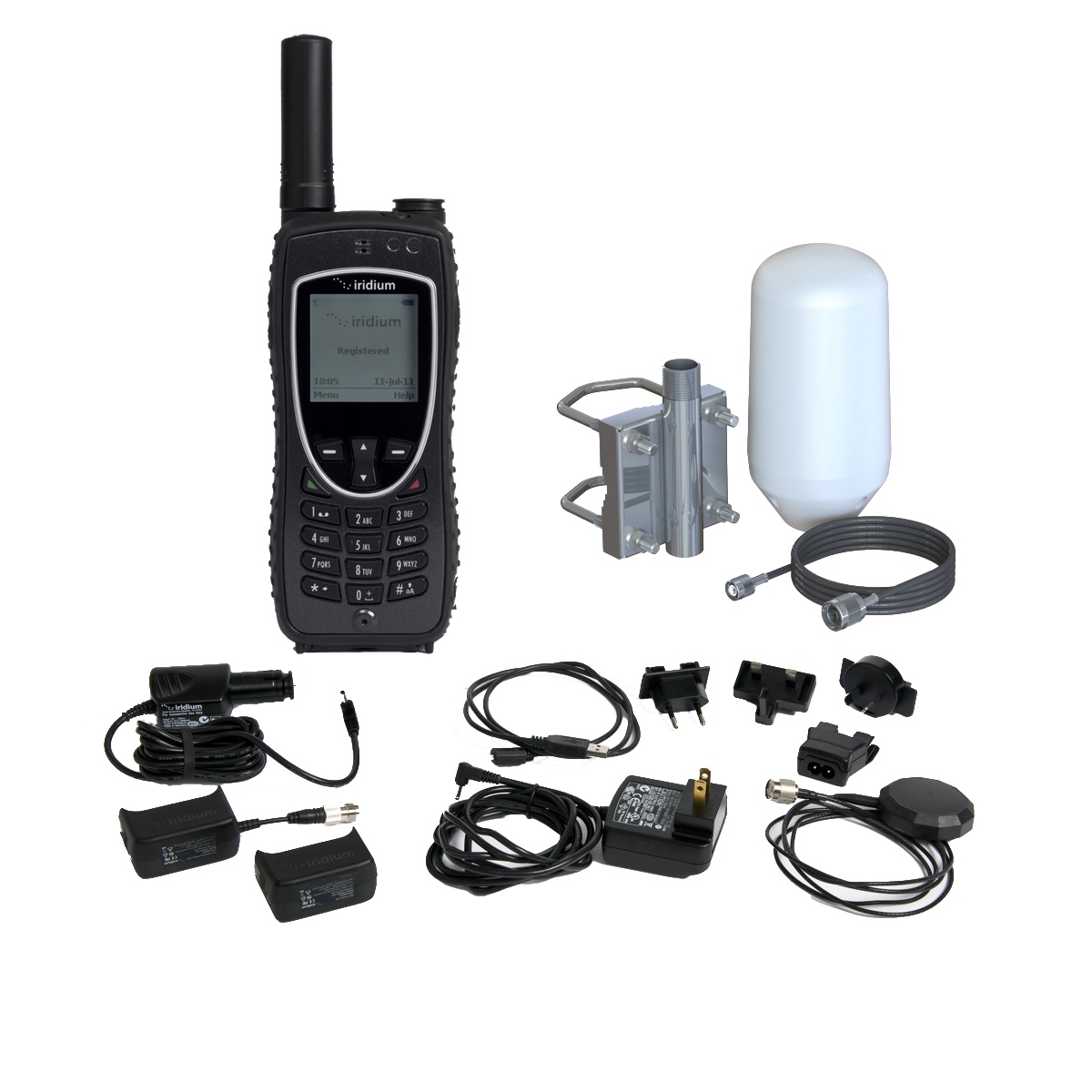
Why Guides Trust Satellite Phones
1. Emergency Communication Is Immediate
Mountain guides know that seconds can save lives. Satellite phones allow:
- SOS calls for evacuations
- Coordination with helicopters or rescue teams
- Direct contact with medical personnel
2. Weather and Safety Updates
Satellite phones can receive:
- Real-time weather forecasts
- Avalanche and storm warnings
- Trail or road closures
Guides rely on these updates to plan safe routes and adjust trekking schedules.
3. Group Coordination in Remote Areas
On multi-day treks or expeditions:
- Guides use satellite phones to communicate between camps
- They can monitor trekkers’ positions and ensure no one gets lost
- They provide reassurance to both trekkers and families back home
4. Peace of Mind for Trekkers and Families
Knowing that a reliable communication tool is in place allows:
- Trekkers to focus on their adventure
- Families to stay informed about progress and safety
- Travel companies to maintain professional safety standards
Real-Life Scenarios Where Guides Recommend Satellite Phones
- High-Altitude Treks: Guides on Everest Base Camp, Annapurna Circuit, and Manaslu treks recommend carrying sat phones for emergencies above 4,000–5,000 meters.
- Remote Village Visits: Exploring Lo Manthang, Ghami, or Dolpo without connectivity makes satellite phones essential.
- Expedition Mountaineering: Climbers tackling peaks like Dhaulagiri or Cho Oyu rely on sat phones for base camp updates and rescue coordination.
How Mountain Tiger Nepal Supports Safe Communication
At Mountain Tiger Nepal, we equip trekkers and climbers with:
- Satellite phones for all remote treks and expeditions
- Training on basic use and emergency procedures
- Coordination with local rescue services and base camps
- Real-time GPS tracking for trekking groups
Our goal is to ensure that every adventure is safe, enjoyable, and stress-free.
Conclusion
Mountain guides in Nepal have a simple rule: never underestimate the value of reliable communication. Satellite phones are more than a convenience; they are a lifeline for safety, navigation, and peace of mind. Whether you are trekking through remote Himalayan villages, climbing high-altitude peaks, or exploring Nepal’s hidden trails, carrying a satellite phone is a recommendation you should take seriously.
